If you enjoy creamy coffee drinks, a latte is probably one of your favorites. But many people still ask a simple and important question: how much milk is in a latte? While a latte may look straightforward, the exact amount of milk can vary depending on cup size, café style, and personal preference. In this article, I’ll explain what a latte is made of, how much milk it usually contains, and how you can adjust it at home to suit your taste.
1. What Is a Latte?
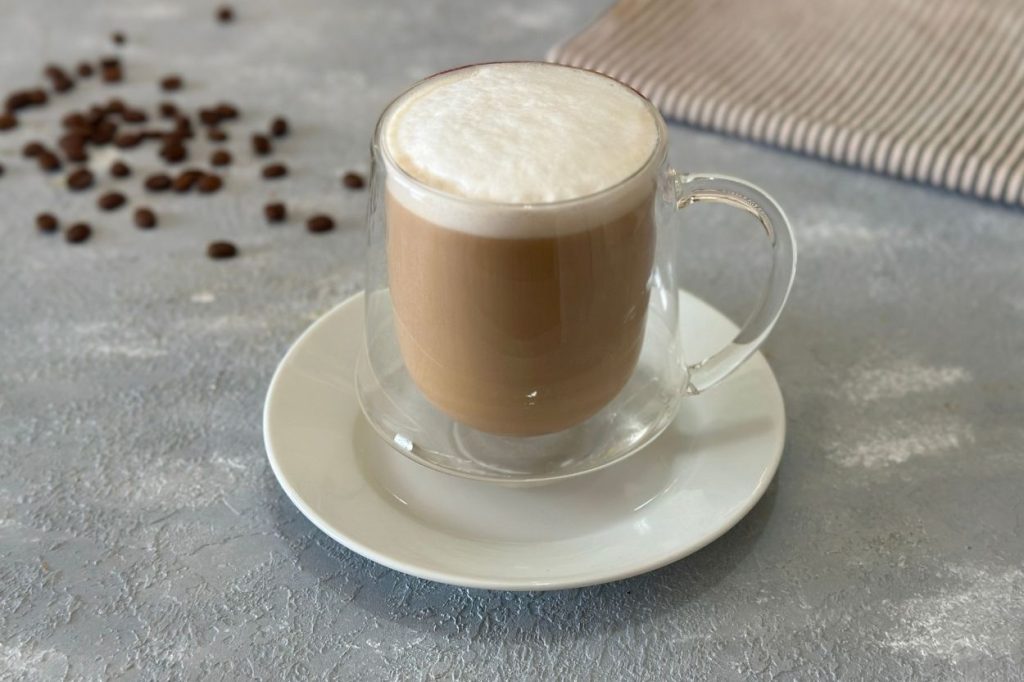
A latte, short for caffè latte, is an espresso-based coffee drink made with espresso and steamed milk, topped with a small layer of milk foam. Unlike cappuccinos or flat whites, lattes are known for being milk-forward, smooth, and mild in coffee intensity.
The main ingredients of a latte are:
- 1 or 2 shots of espresso
- Steamed milk
- A thin layer of microfoam on top
Because milk makes up most of the drink, understanding how much milk goes into a latte helps you control flavor, texture, and even calorie intake.
2. Standard Milk Amount in a Latte
In a classic latte, milk usually makes up about 85–90% of the drink. The most common latte size in cafés is around 240–300 ml (8–10 oz).
For a typical 240 ml latte:
- Espresso: 30–40 ml (1–2 shots)
- Steamed milk: 180–200 ml
- Milk foam: about 1 cm on top
This means the latte contains roughly 180–200 ml of milk, depending on how much espresso is used.
3. Milk Amount by Latte Size
The amount of milk increases as the cup size gets bigger. Here is a general guide for common latte sizes:
- Small latte (240 ml / 8 oz): 170–200 ml of milk
- Medium latte (300 ml / 10 oz): 230–260 ml of milk
- Large latte (360 ml / 12 oz): 290–320 ml of milk
- Extra-large latte (480 ml / 16 oz): 400 ml or more of milk
Even though the espresso amount usually stays the same, the milk increases, making larger lattes taste creamier and less coffee-forward.
4. Single Shot vs Double Shot Latte
The amount of milk in a latte also depends on whether it uses a single or double shot of espresso.
A single shot latte typically uses:
- 1 shot espresso (25–30 ml)
- 180–220 ml of milk
A double shot latte usually contains:
- 2 shots espresso (50–60 ml)
- 170–200 ml of milk
Although the milk amount may be similar, a double shot latte tastes stronger because the espresso concentration is higher. Many specialty cafés default to double shots, even for smaller cups.
5. Why Milk Plays Such a Big Role in a Latte
Milk does more than just add volume. It changes the flavor, texture, and mouthfeel of the drink. Steamed milk adds natural sweetness because heating milk breaks down lactose into simpler sugars. This is why a latte tastes sweeter than black coffee, even without added sugar.
The large amount of milk also softens espresso bitterness and acidity, making lattes a great choice for people who prefer smooth and gentle coffee drinks.
6. Does Milk Type Change the Amount?
The type of milk does not usually change the amount used, but it affects how the latte feels and tastes.
- Whole milk creates the creamiest latte and is the most common choice.
- Low-fat or skim milk produces a lighter texture with more foam.
- Plant-based milks like oat, soy, or almond are often used in similar amounts, though baristas may adjust slightly to get better texture.
Oat milk has become especially popular because it steams well and adds natural sweetness, making it ideal for lattes.
7. How Much Milk Is in a Homemade Latte?
If you’re making a latte at home, a good starting ratio is:
- 1 part espresso
- 5–6 parts steamed milk
For example:
- 40 ml espresso
- 200 ml milk
You can easily adjust the milk amount based on your preference. Adding more milk creates a softer, milkier latte, while using less milk results in a stronger coffee flavor.
Final Thoughts
So, how much milk is in a latte? On average, a latte contains 170–320 ml of milk, depending on cup size and espresso strength. Milk makes up the majority of the drink and is responsible for its creamy texture and gentle flavor.
Whether you order a latte at a café or make one at home, knowing how much milk goes into it helps you customize your drink and understand what you’re enjoying. If you love smooth, comforting coffee with a creamy finish, the latte is the perfect choice.