Few dishes represent classic Italian comfort food better than an authentic Bolognese sauce. This rich, slow-simmered meat sauce comes from Bologna, Italy, and is known for its deep flavor, tender texture, and balanced use of meat, dairy, and tomatoes. Unlike quick tomato sauces, true Bolognese takes time and patience, but the result is worth every minute.
In this recipe, I’ll guide you step by step through making a traditional Bolognese sauce at home using simple, wholesome ingredients. This version stays close to Italian tradition, combining beef and pork, milk, wine, and aromatics to create a sauce that clings beautifully to long pasta like pappardelle or tagliatelle.
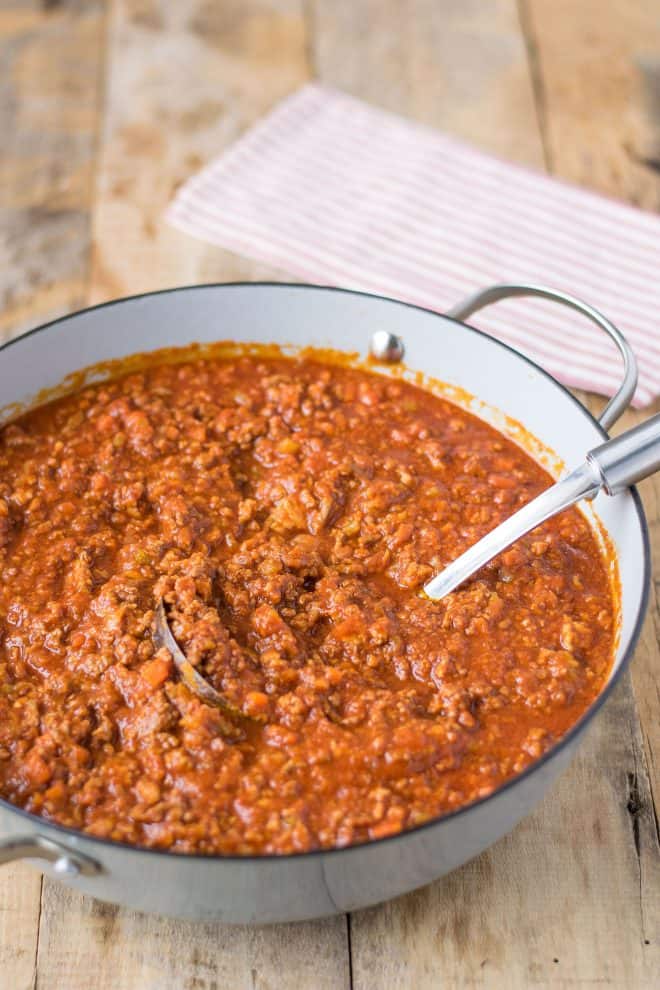
1. Authentic Bolognese Sauce Recipe ( Yield: 6 Serving )
Ingredients
- 2 tablespoons olive oil
- 1 yellow onion, finely diced
- 4 cloves garlic, crushed
- 1 carrot, finely diced
- 1 rib celery, finely diced
- 1 pound lean ground beef
- ½ pound lean ground pork
- 1 ¼ cups red wine or beef broth
- 1 cup whole milk
- 1 can whole tomatoes with juices (28 ounces)
- 4 tablespoons tomato paste
- 1 teaspoon Italian seasoning
- 1 bay leaf
- ½ teaspoon salt, more to taste
- ¼ teaspoon black pepper
- Pappardelle or long pasta, for serving
Instructions
Prepare the soffritto
Heat the olive oil in a large, heavy-bottomed pot or Dutch oven over medium heat. Add the diced onion, carrot, and celery. Cook for 6–8 minutes, stirring often, until the vegetables soften and become fragrant. This vegetable base, called soffritto, forms the flavor foundation of the sauce.
Add garlic
Stir in the crushed garlic and cook for about 30 seconds, just until aromatic. Avoid browning the garlic, as it can become bitter.
Brown the meat
Add the ground beef and ground pork to the pot. Use a wooden spoon to break the meat into small pieces. Cook for 8–10 minutes, stirring occasionally, until the meat is fully browned and no pink remains. The meat should be evenly cooked and lightly caramelized.
Deglaze with wine or broth
Pour in the red wine or beef broth, scraping the bottom of the pot to release any browned bits. Let the liquid simmer for 5–7 minutes, until it reduces slightly and the alcohol flavor (if using wine) cooks off.
Add milk
Lower the heat slightly and stir in the whole milk. Simmer gently for 8–10 minutes. This step helps tenderize the meat and balances the acidity of the tomatoes later.
Incorporate tomatoes and seasoning
Add the whole tomatoes with their juices, crushing them gently with your hands or a spoon. Stir in the tomato paste, Italian seasoning, bay leaf, salt, and black pepper. Mix well to combine.
Slow simmer
Reduce the heat to low. Cover partially and let the sauce simmer gently for 1½ to 2 hours, stirring occasionally. The sauce should thicken, darken in color, and develop a rich, layered flavor.
Final adjustments
Remove the bay leaf. Taste and adjust seasoning with additional salt or pepper if needed. If the sauce becomes too thick, add a small splash of water or broth.
Serve
Serve the Bolognese sauce over pappardelle or another long pasta. Finish with freshly grated Parmesan cheese if desired.
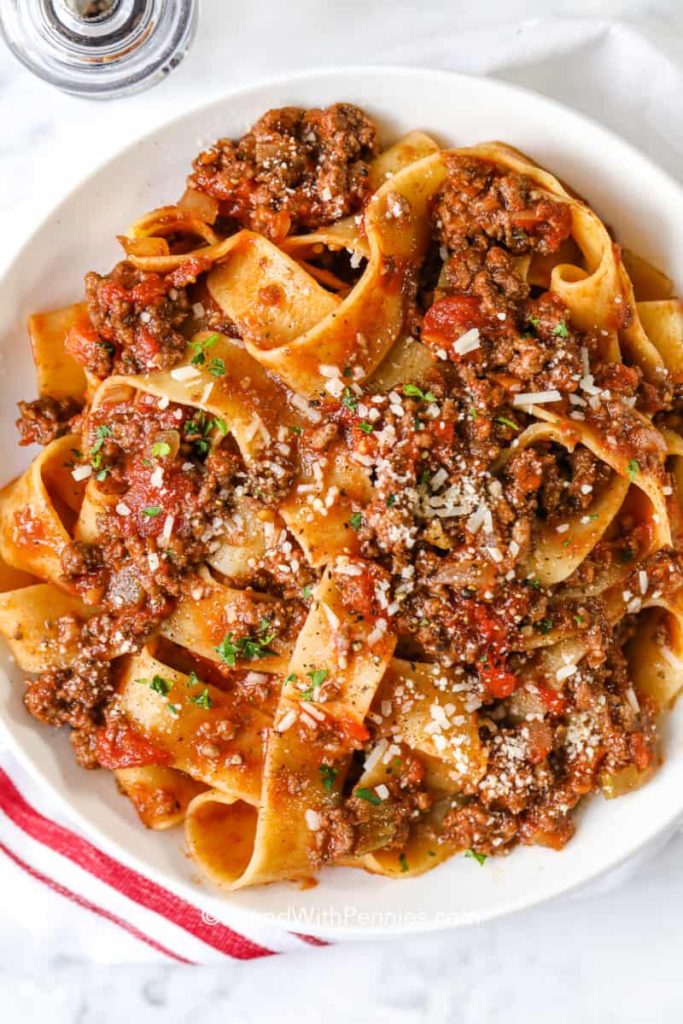
2. Tips for Perfect Homemade Bolognese Sauce
Cook low and slow: Keeping the heat gentle allows the flavors to blend naturally and prevents the sauce from burning or drying out too quickly.
Let the vegetables fully soften: Properly cooked onion, carrot, and celery should almost melt into the sauce, creating a smooth and balanced base.
Stir occasionally, not constantly: Gentle stirring helps the sauce cook evenly while still allowing it to develop depth and richness over time.
Balance richness and acidity: If the sauce tastes too sharp, a small splash of milk or broth can help round out the flavor without making it heavy.
Rest before serving: Let the sauce sit for 10–15 minutes after cooking. This short rest allows the flavors to settle and improves the overall taste.
3. Frequently Asked Questions
Can I use only one type of meat instead of beef and pork?
Yes, but using both meats creates a more complex flavor and tender texture. If needed, you can use all beef, though the sauce will be slightly leaner.
Is it traditional to add herbs like basil or oregano?
Authentic Bolognese uses minimal herbs. A small amount of Italian seasoning or bay leaf is enough without overpowering the meat.
Why does the recipe include milk?
Milk softens the meat and balances acidity from the tomatoes, resulting in a smoother, richer sauce.
Can this sauce be frozen?
Yes. Bolognese freezes very well. Cool completely, store in airtight containers, and freeze for up to 3 months.
What’s the best way to reheat Bolognese sauce?
Reheat gently over low heat on the stovetop, adding a splash of water or broth to loosen the sauce if needed.
4. Nutrition Information
| Nutrient | Amount per Serving |
|---|---|
| Calories | 520 kcal |
| Protein | 32 g |
| Fat | 32 g |
| Carbohydrates | 18 g |
| Fiber | 4 g |
| Sugar | 7 g |
| Cholesterol | 125 mg |
| Sodium | 620 mg |
Making an authentic Bolognese sauce at home is a rewarding experience that brings traditional Italian cooking into your kitchen. With simple ingredients, careful technique, and plenty of simmering time, you can create a rich, comforting sauce that’s perfect for family dinners or special occasions. Once you try this homemade version, it’s hard to go back to store-bought sauces.