Going lactose-free doesn’t mean saying goodbye to cheesy comfort foods forever. I used to think that once dairy was off the table, pizza nights, creamy pasta, and cheesy casseroles were gone for good. Thankfully, I was very wrong.
Whether you’re lactose intolerant, dairy-sensitive, or just cutting back, there are plenty of cheese substitutes that deliver on flavor, texture, and meltability—yes, meltability actually exists. Some options are naturally lactose-free, while others are completely dairy-free but still satisfy that cheesy craving.
Here are my favorite cheese substitutes that actually work in everyday cooking.
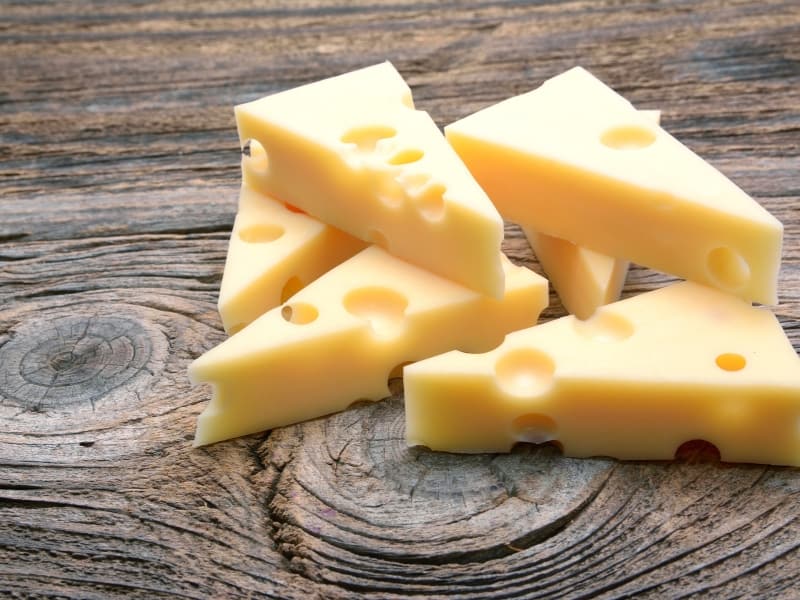
1. Lactose-Free Cheese
If you still love real cheese but lactose is the issue, lactose-free cheese is the easiest transition. It’s made from real dairy, but the lactose has been broken down with the enzyme lactase, making it much easier to digest.
The best part? It tastes almost identical to regular cheese. Cheddar, mozzarella, Swiss—you name it. I use lactose-free cheese exactly the same way as traditional cheese: melting it on pizza, adding it to grilled cheese sandwiches, or sprinkling it over pasta. If your body tolerates dairy but not lactose specifically, this is hands-down the most realistic substitute.
2. Aged Hard Cheeses (Naturally Low Lactose)
This one surprises a lot of people: some cheeses are naturally very low in lactose. Aged cheeses like Parmesan, Pecorino Romano, aged cheddar, and Gruyère contain little to no lactose because it’s broken down during the aging process.
I can usually enjoy small amounts without any issues. These cheeses are bold and flavorful, so a little goes a long way. I love shaving Parmesan over pasta or adding aged cheddar to baked dishes. If you’re mildly lactose intolerant, this option lets you keep real cheese in your life—just in smarter portions.
3. Nutritional Yeast
Nutritional yeast is a staple in lactose-free and vegan kitchens, and once you get used to it, it’s hard not to love. It has a naturally cheesy, nutty, umami flavor—without any dairy at all.
I sprinkle it on popcorn, pasta, roasted vegetables, and even salads. It doesn’t melt like cheese, but it’s perfect for replacing grated cheese in recipes where flavor matters more than texture. Bonus: it’s packed with B vitamins and protein. If you want a cheesy vibe without dairy or lactose, nutritional yeast is a must-have.
4. Cashew Cheese
Cashew cheese is one of the creamiest dairy-free cheese substitutes out there. When blended, soaked cashews turn incredibly smooth and rich, making them perfect for spreads, sauces, and dips.
I use cashew cheese for creamy pasta sauces, cheesecakes, and even nacho-style dips. The flavor can be customized with lemon juice, garlic, nutritional yeast, and spices. While it doesn’t behave exactly like melted cheese, it nails that creamy mouthfeel. For lactose-intolerant folks who miss soft cheeses like ricotta or cream cheese, this is a fantastic alternative.
5. Almond Milk Cheese
Almond milk cheese is widely available and often one of the first dairy-free cheeses people try. It has a mild flavor and a firm texture, making it good for slicing and grating.
I like almond milk cheese for cold uses like sandwiches, wraps, and cheese boards. While it doesn’t always melt as smoothly as dairy cheese, newer versions have improved a lot. It’s naturally lactose-free and lower in calories, which is a nice bonus. If you want a simple, neutral cheese substitute that fits into everyday meals, almond milk cheese is worth trying.
6. Coconut Milk Cheese
Coconut milk cheese is known for its rich texture and excellent melting ability. It’s one of my go-to options for pizza, quesadillas, and baked dishes where that stretchy cheese pull matters.
The flavor is usually mild, and most brands balance out the coconut taste well. I especially like coconut-based mozzarella alternatives for hot dishes. Because coconut milk is high in fat, the texture feels closer to traditional cheese. For lactose-intolerant cooks who miss melted cheese the most, this substitute delivers where others fall short.
7. Soy-Based Cheese
Soy cheese has been around for a long time, and it’s still one of the most versatile cheese substitutes. It melts fairly well and works in everything from grilled cheese to casseroles.
I’ve found that soy cheese shines best when heated, especially in savory dishes. The flavor can vary by brand, so it’s worth experimenting. It’s naturally lactose-free and higher in protein compared to many other dairy-free options. If you want a cheese substitute that behaves more like the real thing in cooking, soy-based cheese is a solid choice.
8. Tofu-Based Cheese
Tofu might not sound exciting, but when it comes to cheese substitutes, it’s surprisingly effective. Blended tofu creates a creamy base that can mimic ricotta, cream cheese, or even feta-style crumbles.
I use tofu cheese in lasagna, stuffed shells, dips, and spreads. It absorbs flavors really well, so adding garlic, lemon juice, herbs, and nutritional yeast makes a huge difference. Tofu-based cheese is completely lactose-free, budget-friendly, and protein-rich. If you like making things from scratch, this is one of the most customizable options out there.
9. Oat Milk Cheese
Oat milk cheese is a newer option, but it’s gaining popularity fast. It has a mild, slightly sweet flavor and a soft texture that works well for melting and slicing.
I’ve used oat milk cheese on burgers, sandwiches, and baked dishes with good results. It’s especially nice if you’re allergic to nuts or soy, since oats are generally more allergy-friendly. Oat-based cheese doesn’t overpower dishes and blends nicely into recipes. For lactose-intolerant eaters looking for a balanced, neutral alternative, this is a great pick.
10. Cream Cheese Alternatives (Dairy-Free)
Missing cream cheese is a very real struggle—and thankfully, dairy-free versions have come a long way. Made from cashews, almonds, soy, or coconut, these substitutes are smooth, spreadable, and satisfying.
I use dairy-free cream cheese on bagels, in frosting, and for creamy dips. The texture is surprisingly close to traditional cream cheese, and the flavor is mild and versatile. If your lactose intolerance makes soft cheeses impossible to enjoy, these alternatives are absolute lifesavers, especially for breakfast and desserts.
Final Thoughts
Being lactose intolerant doesn’t mean giving up cheese—it just means getting a little smarter about your options. Whether you stick with lactose-free dairy, explore naturally low-lactose cheeses, or go fully plant-based, there’s a substitute out there that fits your lifestyle.
I’ve learned that the “best” cheese substitute depends on how you’re using it. Some are perfect for melting, others for spreading, and some just add that savory, cheesy flavor we all crave. Experiment a little, mix and match, and don’t be afraid to try new brands.