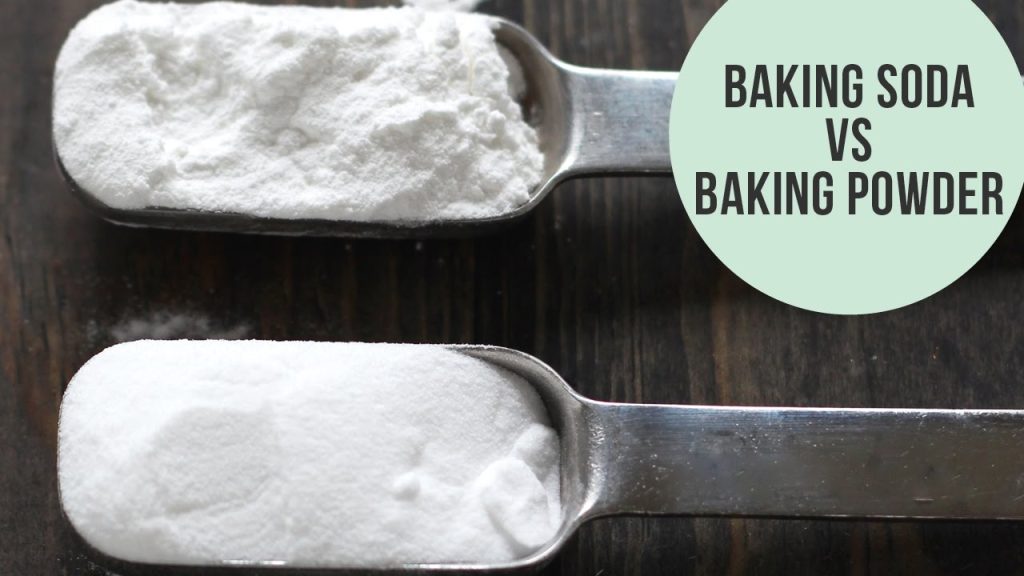
When it comes to baking, two ingredients often cause confusion: baking soda and baking powder. They may look similar—both are white powders used as leavening agents—but they work in different ways.
Using the wrong one can affect the texture, taste, and rise of your baked goods. Understanding the difference between baking soda and baking powder will help you choose the right ingredient for cakes, cookies, muffins, and other recipes.
1. What Is Baking Soda?
Baking soda is a pure chemical compound known as sodium bicarbonate. It is a leavening agent that helps baked goods rise by producing carbon dioxide gas when it reacts with an acidic ingredient.
Because baking soda is alkaline, it needs an acid to activate. Once it reacts with an acid and moisture, it quickly releases gas bubbles that help dough or batter expand.
Common acidic ingredients that activate baking soda include:
lemon juice
vinegar
yogurt
buttermilk
brown sugar
honey
cocoa powder (natural)
Baking soda is very powerful, so recipes usually require only a small amount. If too much is used, it can leave a bitter or soapy taste in baked goods.
Typical recipes that use baking soda include:
chocolate cake
cookies
pancakes
banana bread
2. What Is Baking Powder?
Baking powder is a complete leavening agent that already contains both an acid and a base. It typically includes:
baking soda
a powdered acid (such as cream of tartar)
cornstarch (to prevent clumping)
Because baking powder already contains an acid, it does not require additional acidic ingredients to activate.
Most baking powder sold today is double-acting baking powder, meaning it reacts in two stages:
The first reaction happens when the powder is mixed with liquid.
The second reaction occurs when the batter is heated in the oven.
This double reaction provides a more controlled rise during baking.
Baking powder is commonly used in recipes such as:
cakes
muffins
biscuits
quick breads
3. Key Differences Between Baking Soda and Baking Powder
Flavor
Baking soda can create a slightly bitter taste if too much is used or if the batter lacks enough acid. Baking powder has a more neutral flavor, making it easier to use in balanced recipes.
Reactivity
Baking soda reacts immediately when combined with acid and moisture, so batters containing baking soda should usually be baked right away. Baking powder reacts in stages, allowing more time before baking.
Strength
Baking soda is stronger than baking powder. In general, baking powder is about three to four times weaker than baking soda.
Ingredients
Baking soda contains only sodium bicarbonate, while baking powder includes baking soda plus acidic ingredients and stabilizers.
Recipe Requirements
Baking soda is used in recipes that contain acidic ingredients, while baking powder works well in recipes that do not include natural acids.
4. When to Use Baking Soda
Baking soda works best in recipes that already contain acidic ingredients. The acid triggers the chemical reaction that produces carbon dioxide, helping baked goods rise.
You should use baking soda when a recipe includes ingredients such as:
buttermilk
yogurt
lemon juice
vinegar
brown sugar
natural cocoa powder
Common recipes that use baking soda include:
chocolate cookies
banana bread
gingerbread
pancakes with buttermilk
These recipes rely on baking soda to create a light and tender texture.
5. When to Use Baking Powder
Baking powder is ideal for recipes that do not contain strong acidic ingredients. Because it already includes acid, it can create the necessary chemical reaction on its own.
Recipes that often use baking powder include:
vanilla cake
muffins
biscuits
waffles
quick breads
Baking powder helps these baked goods rise evenly and develop a soft, fluffy texture.
6. Which One Is Healthier?
From a nutritional standpoint, there is very little difference between baking soda and baking powder because both are used in small quantities.
However, there are a few minor differences:
Baking soda contains more sodium per teaspoon.
Baking powder contains additional ingredients like cornstarch and acid salts.
The amount used in recipes is typically too small to significantly affect overall nutrition.
For most people, the choice between baking soda and baking powder should depend on the recipe requirements rather than health concerns.
7. Can You Substitute Baking Soda for Baking Powder?
It is possible to substitute one for the other, but adjustments are necessary.
If replacing baking powder with baking soda:
Use about ¼ teaspoon of baking soda for every 1 teaspoon of baking powder.
Add an acidic ingredient such as lemon juice, yogurt, or vinegar to activate the baking soda.
If replacing baking soda with baking powder:
Use approximately 3 teaspoons of baking powder for every 1 teaspoon of baking soda.
The recipe may taste slightly different because baking powder already contains acid.
Keep in mind that substitutions can change the flavor and texture of baked goods, so it is usually best to follow the ingredient specified in the recipe.
Both baking soda and baking powder are essential leavening agents that help baked goods rise, but they work in different ways. Baking soda is a pure base that needs an acidic ingredient to activate, while baking powder already contains both an acid and a base, allowing it to work on its own.
In general, use baking soda in recipes that include acidic ingredients like buttermilk, yogurt, or lemon juice. Choose baking powder for recipes that do not contain strong acids and need a reliable rise.
Understanding how each ingredient works will help you follow recipes more accurately and achieve better results when baking cakes, cookies, muffins, and other treats.