The rise of low-carb eating has transformed the way people approach weight loss and healthy living. Among the most popular approaches are the ketogenic (Keto) diet and the general low-carb diet. While these two are often grouped together, they are not the same—and choosing the wrong one for your lifestyle can lead to frustration or inconsistent results.
If you’re trying to decide between the Keto diet vs a low-carb diet, it’s important to understand how each works, what benefits they offer, and which one is easier to maintain in real life. This guide breaks down everything you need to know so you can make an informed decision.
1. What Is the Keto Diet?
The ketogenic diet is a very low-carbohydrate, high-fat eating plan designed to push your body into a metabolic state called ketosis. In this state, your body stops relying on carbohydrates as its primary fuel source and instead begins to burn fat for energy.
Normally, your body uses glucose (from carbs) for fuel. But when carb intake is drastically reduced—usually below 50 grams per day—your liver starts producing ketones from fat. These ketones become the main energy source for your brain and body.
This shift in metabolism is what makes Keto unique compared to other diets.
Typical Macronutrient Ratio
| Macronutrient | Percentage |
|---|---|
| Fat | 70–75% |
| Protein | 20–25% |
| Carbs | 5–10% (under 50g/day) |
Foods to Eat vs Avoid on Keto
| Eat More Of | Avoid or Limit |
|---|---|
| Fatty meats | Bread, pasta, rice |
| Eggs | Sugary foods & drinks |
| Butter, olive oil | Most fruits |
| Cheese, heavy cream | Grains and legumes |
| Low-carb vegetables | High-carb snacks |
Keto is not simply about “eating fewer carbs.” It is about maintaining a very specific metabolic condition. Even small amounts of extra carbohydrates—like a piece of fruit or hidden sugars in sauces—can disrupt ketosis and reduce the effectiveness of the diet.
Because of this, Keto requires careful planning, label reading, and consistency. Many people also experience an adjustment phase known as the “keto flu,” where symptoms like fatigue or headaches occur as the body adapts to burning fat instead of glucose.
2. What Is a Low Carb Diet?
A low-carb diet is a broader, more flexible approach that simply reduces carbohydrate intake without forcing the body into ketosis.
Unlike Keto, there is no strict definition of how low carbs must be. Most low-carb diets allow anywhere from 50 to 150 grams of carbs per day, depending on individual goals and preferences.
This flexibility makes low-carb diets easier to follow and more sustainable for many people.
Typical Macronutrient Range
| Macronutrient | Percentage |
|---|---|
| Fat | 40–60% |
| Protein | 20–30% |
| Carbs | 10–30% (50–150g/day) |
Foods to Eat vs Limit on Low Carb
| Eat More Of | Limit or Reduce |
|---|---|
| Meat, fish, eggs | Refined sugar |
| Vegetables | White bread, pasta |
| Nuts and seeds | Processed snacks |
| Some fruits | Sugary beverages |
| Whole foods | Excess starches |
The main advantage of a low-carb diet is flexibility. You can still include fruits, root vegetables, and occasional higher-carb meals without completely disrupting your progress. This makes it much easier to maintain in social settings, during travel, or as part of a long-term lifestyle.
Low-carb diets focus more on reducing excess carbohydrates rather than eliminating them completely.
3. Key Differences Between Keto and Low Carb Diet
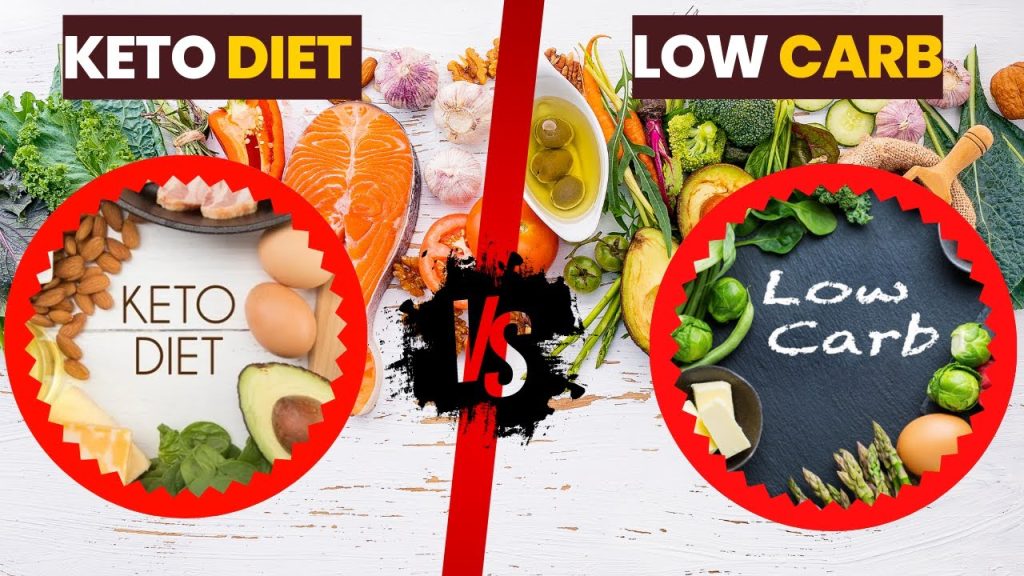
Understanding the differences between Keto and low-carb is essential before choosing one.
Keto vs Low Carb Comparison Table
| Feature | Keto Diet | Low Carb Diet |
|---|---|---|
| Carb Intake | Very low (<50g/day) | Moderate (50–150g/day) |
| Goal | Ketosis (fat burning) | Reduce carbs for health |
| Fat Intake | High | Moderate |
| Protein | Moderate | Moderate to high |
| Flexibility | Very strict | Flexible |
| Fruit intake | Very limited | Allowed in moderation |
| Sustainability | Harder long-term | Easier long-term |
Detailed Explanation
The biggest difference lies in the goal of the diet.
Keto aims to change your metabolism completely by forcing your body into ketosis. This requires strict adherence and precise macronutrient control.
Low-carb diets, on the other hand, aim to improve health and support weight loss by simply reducing carbohydrate intake. There is no need to reach ketosis, making it more adaptable to different lifestyles.
4. Similarities Between Keto and Low Carb
Despite their differences, Keto and low-carb diets share several important principles that contribute to their effectiveness.
Shared Principles Table
| Similarity | Why It Matters |
|---|---|
| Reduced sugar intake | Improves blood sugar control |
| Whole food focus | Enhances nutrition quality |
| Weight loss support | Helps reduce calorie intake |
| Lower insulin levels | Supports fat burning |
Both diets encourage people to move away from processed foods and focus on real, nutrient-dense ingredients. This alone can lead to significant improvements in health and body composition.
5. Keto vs Low Carb for Weight Loss
Keto vs Low Carb Weight Loss Comparison
| Factor | Keto Diet | Low Carb Diet |
|---|---|---|
| Initial weight loss | Very fast (water + fat loss) | Moderate |
| Fat loss speed | Faster (short-term) | Steady (long-term) |
| Appetite control | Strong (high fat intake) | Moderate |
| Sustainability | Lower | Higher |
| Risk of rebound | Higher if not maintained | Lower |
Which One Is Better for Weight Loss?
There is no universal “best” diet—it depends on your goals and personality.
If you want fast, aggressive results and are comfortable with strict rules, Keto may give you a strong early advantage.
But if your goal is consistent, long-term weight loss, a low-carb diet is often the better choice because it is easier to follow and maintain.
Expert Insight
Many people start with Keto for quick results, then transition to a low-carb diet for maintenance. This hybrid approach allows you to benefit from rapid fat loss initially while avoiding burnout in the long run.
In the end, the most effective diet is not the strictest one—it’s the one you can sustain consistently without feeling restricted or overwhelmed.
6. Conclusion
Keto and low-carb diets are both effective, but they are designed for different types of people and goals.
Keto is ideal for rapid fat loss and metabolic changes but requires strict discipline and consistency.
Low-carb is more flexible, easier to follow, and better suited for long-term lifestyle changes.
The best diet is not the most extreme one—it’s the one you can follow consistently over time.
Who Should Choose Keto?
| Suitable For | Not Ideal For |
|---|---|
| Fast weight loss seekers | Beginners |
| People tracking macros | Flexible eaters |
| Short-term transformation goals | Social eaters |
| Blood sugar control | Carb lovers |
Who Should Choose Low Carb?
| Suitable For | Not Ideal For |
|---|---|
| Beginners | Extreme dieters |
| Long-term weight loss | People wanting fast results |
| Flexible lifestyle | Strict Keto followers |
| Balanced nutrition seekers |