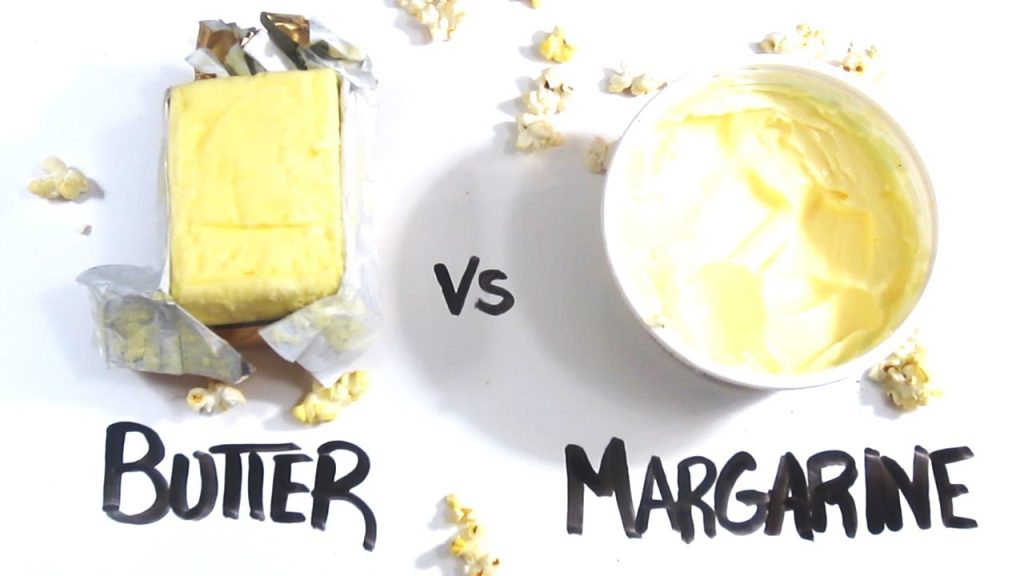
Butter and margarine are two of the most commonly used spreads and cooking fats in kitchens around the world. Both are used for baking, frying, and spreading on bread, but they differ significantly in ingredients, nutritional composition, and how they behave in recipes.
For many people, the choice between butter and margarine comes down to health concerns, taste preferences, and cooking needs. Understanding the differences between these two fats can help you decide which one is better for your diet and recipes.
1. What Is Butter
Butter is a dairy product made by churning cream until the fat separates from the liquid. The result is a solid fat that contains about 80 percent milk fat, along with small amounts of water and milk solids.
Butter has been used in cooking and baking for centuries and is valued for its rich, creamy flavor. It contains saturated fats and fat-soluble vitamins such as vitamin A.
One of butter’s key characteristics is its ability to enhance flavor. It melts easily and creates a smooth, rich texture in both sweet and savory dishes.
Because butter is a natural product, it undergoes minimal processing compared to many alternatives. This simplicity is one reason it remains popular despite the availability of substitutes.
2. What Is Margarine
Margarine is a spread made from vegetable oils that have been processed to create a solid or semi-solid texture similar to butter. It was originally developed as a cheaper alternative to butter.
Modern margarine is typically made from oils such as soybean, palm, or canola oil. It often contains added ingredients like emulsifiers, flavorings, and vitamins.
Unlike butter, margarine is lower in saturated fat and may contain more unsaturated fats, depending on the formulation. Some types are fortified with vitamins A and D to match the nutritional content of butter.
The texture of margarine can vary. Some versions are soft and spreadable straight from the refrigerator, while others are firmer and designed for baking.
3. Key Differences Between Butter and Margarine
The most important difference between butter and margarine is their source. Butter is made from animal milk, while margarine is made from plant-based oils.
Fat composition is another key distinction. Butter contains more saturated fat, while margarine typically contains more unsaturated fats. This difference can affect heart health considerations.
Processing also varies significantly. Butter is minimally processed, whereas margarine undergoes industrial processing to achieve its texture and shelf stability.
Flavor is another major difference. Butter has a rich, natural taste, while margarine tends to have a more neutral or artificial flavor, depending on the brand.
Finally, performance in cooking can differ. Butter contributes to browning and flavor in baked goods, while margarine may behave differently due to its water content and formulation.
4. When to Use Butter
Butter is often preferred when flavor is a priority. It is widely used in baking recipes such as cookies, cakes, and pastries because it adds richness and depth.
It is also commonly used for sautéing and finishing dishes, where its taste enhances the overall flavor.
Butter is particularly important in recipes that rely on precise texture, such as pastries, where its fat structure contributes to flakiness.
Because of its distinctive taste, butter is often chosen for spreading on bread, toast, and baked goods.
5. When to Use Margarine
Margarine is a practical option when a lower saturated fat alternative is desired. It is often used as a spread because many varieties are soft and easy to apply straight from the refrigerator.
In cooking, margarine can be used for frying or baking, although results may vary depending on the product.
It is also a common choice for people following plant-based diets, as many margarines are dairy-free.
Because of its neutral flavor, margarine works well in recipes where you do not want the fat to dominate the taste.
6. Which One Is Healthier
The health comparison between butter and margarine depends on the type of fat and how each product is made.
Butter contains saturated fat, which has traditionally been linked to heart health concerns when consumed in large amounts. However, it is also a natural product with minimal processing.
Margarine, especially modern versions, often contains more unsaturated fats, which are generally considered better for heart health. However, some older types of margarine contained trans fats, which are now largely removed from most products.
The healthiest choice depends on moderation and selecting high-quality products. For example, soft margarine with no trans fats may be a better option for heart health, while butter may appeal to those seeking a natural product.
7. Can You Substitute Butter for Margarine
Butter and margarine can often be substituted for each other in recipes, but the results may differ.
When using butter instead of margarine, baked goods may have a richer flavor and slightly different texture. Butter tends to create more browning due to its milk solids.
When substituting margarine for butter, the texture may be softer or less crisp, depending on the water content of the margarine.
In many everyday recipes, the substitution works well, but for precise baking, the choice between butter and margarine can affect the final outcome.
Conclusion
Butter and margarine are both widely used fats with distinct characteristics. Butter offers a rich flavor and natural composition, making it a favorite for baking and cooking. Margarine provides a plant-based alternative with a different fat profile and often lower saturated fat content.
Choosing between butter and margarine depends on your priorities, whether they are flavor, health considerations, or dietary restrictions. By understanding how each works, you can select the option that best fits your cooking needs and lifestyle.