Rice is one of the most widely consumed staple foods in the world. Among the many varieties available, white rice and brown rice are the two most common choices found in everyday meals. While they both come from the same grain, they differ in processing, nutrition, texture, and taste.
Many people wonder which type of rice is healthier or better suited for their diet. Understanding the differences between white rice and brown rice can help you choose the right option based on your nutritional needs, cooking preferences, and lifestyle.
1. What Is White Rice
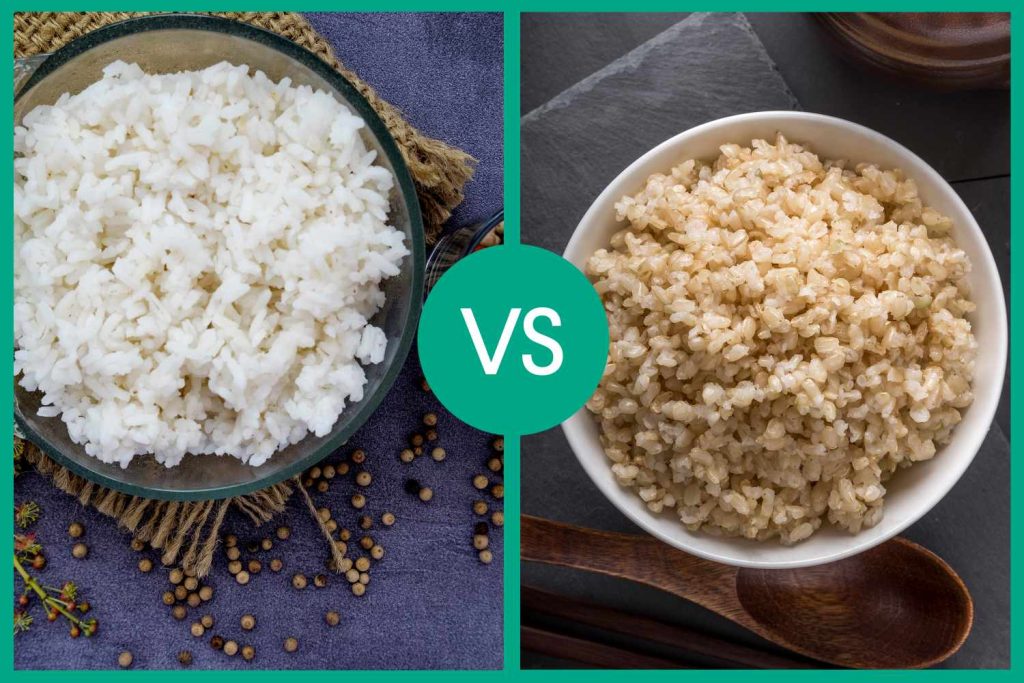
White rice is a refined grain that has had its outer layers—the bran and germ—removed during processing. This leaves only the starchy endosperm, which gives white rice its soft texture and light color.
Because the bran and germ are removed, white rice has a longer shelf life and cooks more quickly than brown rice. It also has a smoother texture and a more neutral flavor, making it a versatile ingredient in many cuisines.
White rice is commonly enriched with nutrients such as iron and B vitamins to replace some of the nutrients lost during processing. It is widely used in dishes like stir-fries, sushi, and rice bowls.
Its ability to absorb flavors easily makes it a popular base for a wide variety of meals.
2. What Is Brown Rice
Brown rice is a whole grain that retains its bran and germ layers. These outer layers contain fiber, vitamins, and minerals, giving brown rice its darker color and slightly chewy texture.
Because it is less processed than white rice, brown rice is considered a whole grain and provides more nutrients in its natural state.
Brown rice has a nuttier flavor and a firmer texture compared to white rice. It also takes longer to cook because the outer bran layer slows down water absorption.
This type of rice is often chosen by people looking to increase their intake of whole grains and fiber.
3. Key Differences Between White Rice and Brown Rice
The main difference between white rice and brown rice lies in their level of processing. White rice is refined and has the bran and germ removed, while brown rice retains these layers.
This difference affects nutritional value. Brown rice contains more fiber, vitamins, and minerals, while white rice has fewer natural nutrients but is often enriched.
Texture and cooking time also vary. White rice is softer and cooks faster, while brown rice is firmer and requires more time to prepare.
Flavor is another distinction. White rice has a mild, neutral taste, whereas brown rice has a slightly nutty and more pronounced flavor.
These differences influence how each type of rice is used in cooking and meal planning.
4. When to Use White Rice
White rice is ideal for dishes where a soft texture and neutral flavor are desired. It pairs well with a wide range of foods and absorbs sauces and seasonings effectively.
It is commonly used in quick meals because it cooks faster than brown rice. This makes it convenient for everyday cooking.
White rice is also preferred in recipes where texture is important, such as sushi or delicate rice dishes.
Because it is easy to digest, it is sometimes recommended for people with sensitive stomachs.
5. When to Use Brown Rice
Brown rice is best used when you want a heartier texture and a more complex flavor. Its slightly chewy consistency works well in grain bowls, salads, and side dishes.
It is also a good option for meals focused on whole foods and higher fiber content.
Brown rice can add depth to dishes and provide a more filling experience due to its fiber content.
Because it takes longer to cook, it is often prepared in larger batches or used in meal prep.
6. Which One Is Healthier
Brown rice is generally considered the healthier option because it is a whole grain and retains more of its natural nutrients. It contains more fiber, which can support digestion and help maintain stable blood sugar levels.
White rice, while lower in fiber, is still a good source of carbohydrates and energy. Enriched versions provide added vitamins and minerals.
The choice between the two depends on your dietary needs. If you are looking for more fiber and nutrients, brown rice may be the better choice. If you prefer easier digestion and quicker cooking, white rice may be more suitable.
Both types can be part of a balanced diet when consumed in appropriate portions.
7. Can You Substitute White Rice for Brown Rice
White rice and brown rice can be substituted for each other in many recipes, but adjustments may be needed.
Brown rice requires more water and a longer cooking time, so recipes may need to be modified accordingly.
If you replace brown rice with white rice, the cooking time will be shorter, and the texture will be softer.
The flavor and overall texture of the dish may also change slightly depending on which type of rice is used.
Despite these differences, both types of rice are versatile and can be adapted to a wide range of dishes.
Conclusion
White rice and brown rice both come from the same grain, but their differences in processing lead to distinct textures, flavors, and nutritional profiles. White rice is soft, quick to cook, and versatile, while brown rice is more nutritious, with a firmer texture and nutty taste.
Choosing between them depends on your personal preferences and dietary goals. By understanding how each type of rice works, you can make better decisions for your meals and enjoy a variety of delicious dishes.