Fresh asparagus is one of those vegetables that always seems to disappear quickly once it’s in the refrigerator. Whether you’ve stocked up during asparagus season, found a great sale at the grocery store, or harvested more from your garden than you can use, freezing is an excellent way to keep asparagus fresh for future meals.
Many traditional methods recommend blanching asparagus before freezing, but not everyone has the time or desire to go through the extra steps. The good news is that you can successfully freeze asparagus without blanching and still enjoy its flavor later. While the texture may soften slightly after freezing, it’s perfect for soups, casseroles, stir-fries, pasta dishes, and other cooked recipes.
1. Benefits of Learning How to Freeze Asparagus
Reduces Food Waste
Fresh asparagus doesn’t last very long in the refrigerator. If you don’t use it within a few days, it can become limp and lose its quality. Freezing allows you to preserve asparagus before it spoils, helping you get the most out of your purchase.
Saves Money
When asparagus is in season, grocery stores often offer lower prices. Buying extra and freezing it means you can enjoy asparagus later without paying off-season prices.
Makes Meal Prep Easier
Having frozen asparagus on hand can make weeknight cooking much simpler. Since the asparagus is already washed and trimmed before freezing, you can add it directly to many recipes without additional preparation.
Preserves Nutrients
Although some texture changes may occur during freezing, asparagus still retains much of its nutritional value. It remains a good source of fiber, vitamins, minerals, and antioxidants.
Allows You to Enjoy Asparagus Year-Round
Instead of limiting yourself to asparagus season, freezing gives you access to this delicious vegetable throughout the year whenever you want to add it to your meals.
2. How to Freeze Asparagus Properly (Without Blanching)
Freezing asparagus without blanching is a quick and straightforward process. Following these steps will help maintain the best possible quality during storage.
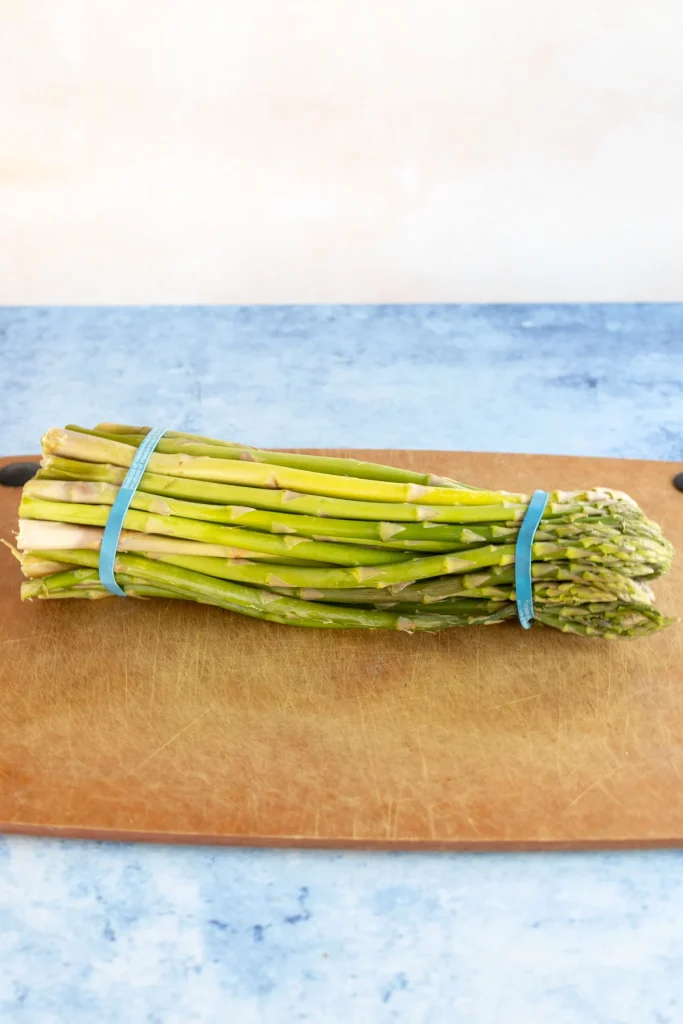
Step 1: Choose Fresh Asparagus
Start with the freshest asparagus you can find. Look for firm stalks with tightly closed tips and a bright green color. Avoid asparagus that appears wilted, soft, or dried out.
The fresher the asparagus is before freezing, the better it will taste later.
Step 2: Wash Thoroughly
Rinse the asparagus under cool running water to remove dirt, sand, and any debris. Pay special attention to the tips, where dirt can sometimes collect.
After washing, place the asparagus on a clean kitchen towel or paper towels and dry it completely.
Removing excess moisture helps prevent ice crystals from forming during freezing.
Step 3: Trim the Tough Ends
The bottom ends of asparagus stalks are often woody and difficult to eat. Use a sharp knife to cut off about one to two inches from the bottom.
Alternatively, you can bend each spear gently until it naturally snaps. The stalk will typically break where the tough section ends and the tender portion begins.
Step 4: Cut Into Desired Sizes
Think about how you’ll use the asparagus later.
You can leave the spears whole if you plan to roast them, or cut them into smaller pieces for stir-fries, soups, casseroles, or pasta dishes.
Preparing the asparagus before freezing makes future meal preparation much easier.
Step 5: Flash Freeze the Asparagus
Although this step is optional, it’s highly recommended.
Arrange the asparagus pieces in a single layer on a baking sheet lined with parchment paper. Make sure the pieces aren’t piled on top of one another.
Place the baking sheet in the freezer for one to two hours or until the asparagus is frozen solid.
Flash freezing prevents the pieces from sticking together and allows you to remove only the amount you need later.
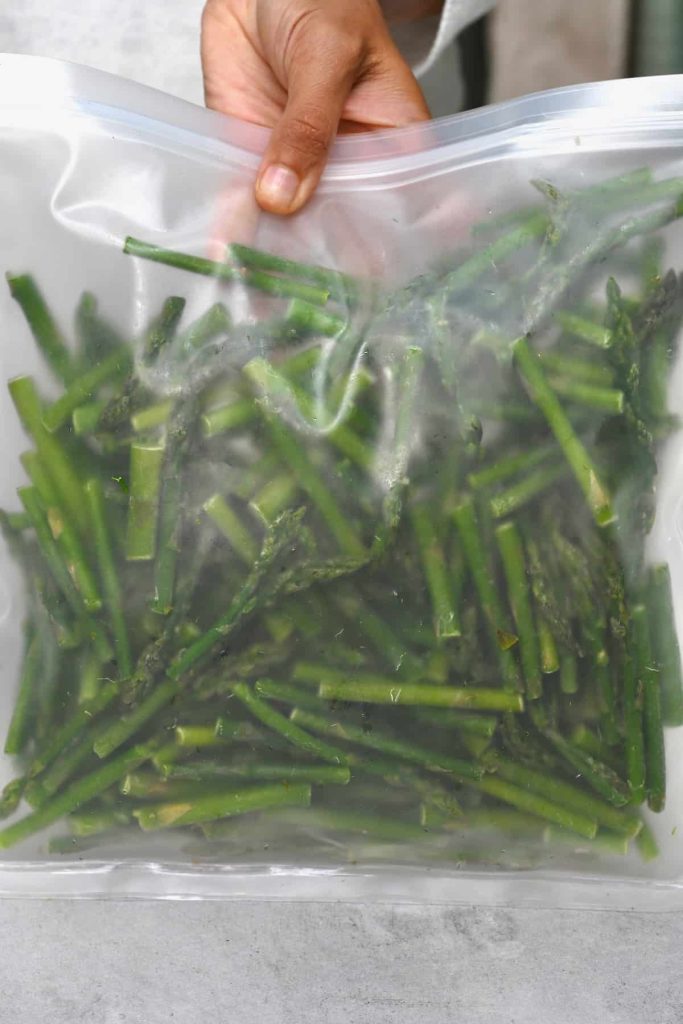
Step 6: Transfer to Freezer Bags
Once frozen, transfer the asparagus to freezer-safe bags or airtight containers.
Press out as much air as possible before sealing. Removing excess air helps reduce freezer burn and preserves quality for a longer period.
Label each bag with the date so you’ll know how long it has been stored.
Step 7: Store in the Freezer
Place the sealed bags in the freezer.
For the best flavor and texture, use frozen asparagus within three to six months. While it will remain safe to eat longer if continuously frozen, quality gradually decreases over time.
3. Frequently Asked Questions
Can you really freeze asparagus without blanching it first?
Yes. While blanching is often recommended to help preserve texture and color, freezing asparagus raw is a convenient alternative. It works especially well if you plan to use the asparagus within a few months and intend to cook it before serving.
How long does frozen asparagus last?
For the best quality, frozen asparagus should be used within three to six months. Properly stored asparagus can remain safe to eat for much longer, but flavor and texture may gradually decline.
Does asparagus become mushy after freezing?
Freezing can soften asparagus somewhat because ice crystals break down some of the vegetable’s cell structure. However, this is usually not noticeable when asparagus is used in cooked dishes such as soups, casseroles, and stir-fries.
Should frozen asparagus be thawed before cooking?
In most cases, no. Frozen asparagus can be added directly to recipes without thawing. Cooking it from frozen often produces better results and helps prevent it from becoming overly soft.
What are the best recipes for frozen asparagus?
Frozen asparagus works best in recipes where texture is less important than flavor. Great options include creamy soups, pasta dishes, casseroles, vegetable stir-fries, omelets, quiches, and roasted vegetable blends.
Final Thoughts
Learning how to freeze asparagus properly without blanching is an easy way to preserve fresh asparagus and reduce food waste. With just a few simple steps—washing, trimming, drying, flash freezing, and storing—you can keep asparagus ready for future meals without the extra work of blanching.
Whether you’re taking advantage of seasonal sales, preserving a garden harvest, or simply preventing food from going to waste, freezing asparagus is a practical kitchen skill that can save both time and money. Best of all, you’ll always have a nutritious and flavorful vegetable waiting in your freezer whenever you need it.