Bananas are one of the most popular fruits in the world, but they seem to go from perfectly ripe to overly brown in just a few days. If you’ve ever found yourself staring at a bunch of overripe bananas and wondering what to do with them, freezing is one of the easiest solutions.
Learning how to freeze bananas properly can help reduce food waste, save money, and ensure you always have bananas ready for smoothies, baking, and other recipes. The process is simple, takes only a few minutes, and can extend the life of your bananas for several months.
In this guide, you’ll learn the best ways to freeze bananas, how long they last in the freezer, and how to use them after thawing.
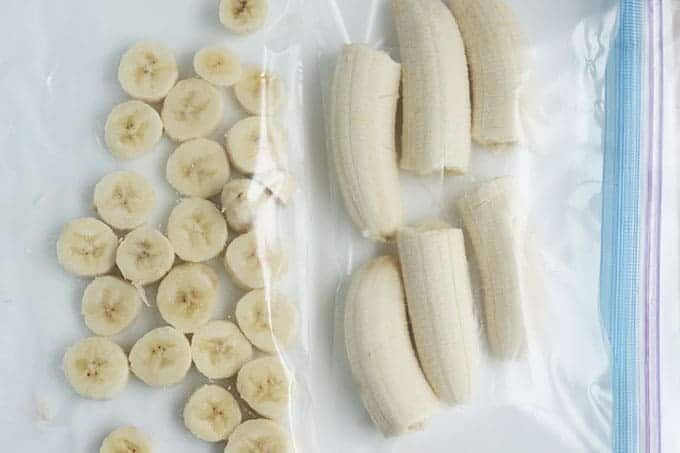
1. How to Freeze Bananas Properly
Step 1: Choose Ripe Bananas
Start by selecting bananas that are fully ripe but not spoiled. Yellow bananas with a few brown spots are often ideal because they have developed their natural sweetness and flavor.
The ripeness level matters because bananas do not continue to ripen once frozen. Choosing ripe fruit ensures you’ll have the best flavor when you’re ready to use them later in recipes.
Step 2: Peel the Bananas
Before freezing, remove the banana peels. While it is possible to freeze bananas with the peel on, doing so can make them much more difficult to use later. Frozen peels become dark, slippery, and hard to remove.
Peeling the bananas beforehand makes thawing and recipe preparation much easier. You’ll be able to grab exactly what you need without dealing with messy frozen skins.
Step 3: Decide How You Want to Freeze Them
There are several ways to freeze bananas, and the best option depends on how you plan to use them later. Whole bananas, banana slices, and mashed bananas each have their own advantages.
Taking a moment to choose the right method now can make meal prep and baking much more convenient in the future.
Freeze Whole Bananas
Freezing whole bananas is one of the quickest methods because very little preparation is required. Simply peel the bananas and place them on a lined baking sheet or tray before transferring them to the freezer.
Whole frozen bananas are ideal for recipes that call for entire bananas, such as banana bread or large smoothies. They also take up less preparation time compared to slicing or mashing.
Freeze Banana Slices
For maximum convenience, many people prefer freezing bananas in slices. Cut the peeled bananas into evenly sized rounds and arrange them in a single layer on a baking sheet.
Frozen banana slices are especially useful for smoothies because they blend easily and can be portioned more accurately. They’re also great for adding to oatmeal, yogurt bowls, or frozen desserts.
Freeze Mashed Bananas
Mashed bananas are an excellent choice for bakers. Simply mash the peeled bananas with a fork until smooth, then portion them into freezer-safe containers or bags.
This method eliminates prep work later and makes it easy to add bananas directly to recipes like banana bread, muffins, pancakes, and cakes. Measuring portions before freezing can save even more time.
Step 4: Flash Freeze (Optional but Recommended)
Flash freezing is a simple technique that helps prevent banana pieces from sticking together during long-term storage. To flash freeze, arrange the bananas in a single layer on a parchment-lined baking sheet or tray and place them in the freezer for about one to two hours.
Although this step is optional, it’s highly recommended if you’re freezing slices or multiple bananas at once. Once the bananas are individually frozen, you can transfer them to a storage container without worrying about them forming one large frozen clump.
Step 5: Store in Freezer Bags or Containers
After the bananas are frozen, transfer them to freezer-safe bags or airtight containers. Remove as much air as possible before sealing to help reduce the risk of freezer burn and maintain quality for longer.
Label each bag or container with the date and type of banana preparation, such as whole, sliced, or mashed. This makes it easier to keep track of freshness and quickly find what you need when preparing recipes.
2. How Long Do Frozen Bananas Last?
Frozen bananas can remain safe to eat for many months when stored properly. However, for the best flavor and texture, it’s generally recommended to use them within three to six months.
While bananas may still be safe beyond this timeframe, they can gradually develop freezer burn or lose some of their quality. Proper packaging and minimizing air exposure can help extend their freshness.
If you notice excessive ice crystals, unusual odors, or severe discoloration, it may be time to discard the bananas and freeze a fresh batch instead.
3. How to Thaw Frozen Bananas
For Smoothies
One of the best things about frozen bananas is that they often don’t need to be thawed before use in smoothies. Simply add the frozen banana pieces directly to your blender along with the other ingredients.
Frozen bananas help create a thick, creamy texture that’s similar to a milkshake. Many smoothie recipes actually work better when the bananas are used straight from the freezer.
For Baking
If you’re using frozen bananas in banana bread, muffins, pancakes, or cakes, it’s usually best to thaw them first. Place the bananas in a bowl and allow them to thaw in the refrigerator or at room temperature.
As the bananas thaw, they will release liquid. Don’t throw this liquid away unless your recipe specifically instructs otherwise. It contains flavor and moisture that can benefit many baked goods.
For Oatmeal and Other Recipes
Frozen banana slices can be added directly to hot oatmeal, where they’ll soften quickly as they warm. This is an easy way to add natural sweetness and banana flavor to your breakfast.
For yogurt bowls, fruit toppings, and similar recipes, allow the bananas to thaw for a few minutes before serving. This improves texture and makes them easier to eat.
Final Thoughts
Learning how to freeze bananas properly is one of the easiest ways to reduce food waste and keep a versatile ingredient on hand for future recipes. Whether you choose to freeze them whole, sliced, or mashed, the process requires very little time and effort.
Frozen bananas are perfect for smoothies, banana bread, muffins, pancakes, and healthy frozen desserts. By following a few simple steps and storing them correctly, you can enjoy ripe bananas long after they would have otherwise gone bad.
The next time your bananas start developing brown spots, don’t throw them away. Pop them in the freezer and save them for a delicious recipe later.