Parchment paper is one of the most useful tools in the kitchen. It helps prevent food from sticking, makes cleanup easier, and can be used for everything from baking cookies to preparing ingredients for the freezer.
Many home cooks keep a roll of parchment paper on hand, but not everyone knows all the ways it can be used. Learning how to use parchment paper properly can save time, reduce mess, and improve your cooking and baking results.
This guide covers the most common uses for parchment paper, along with helpful tips and answers to frequently asked questions.
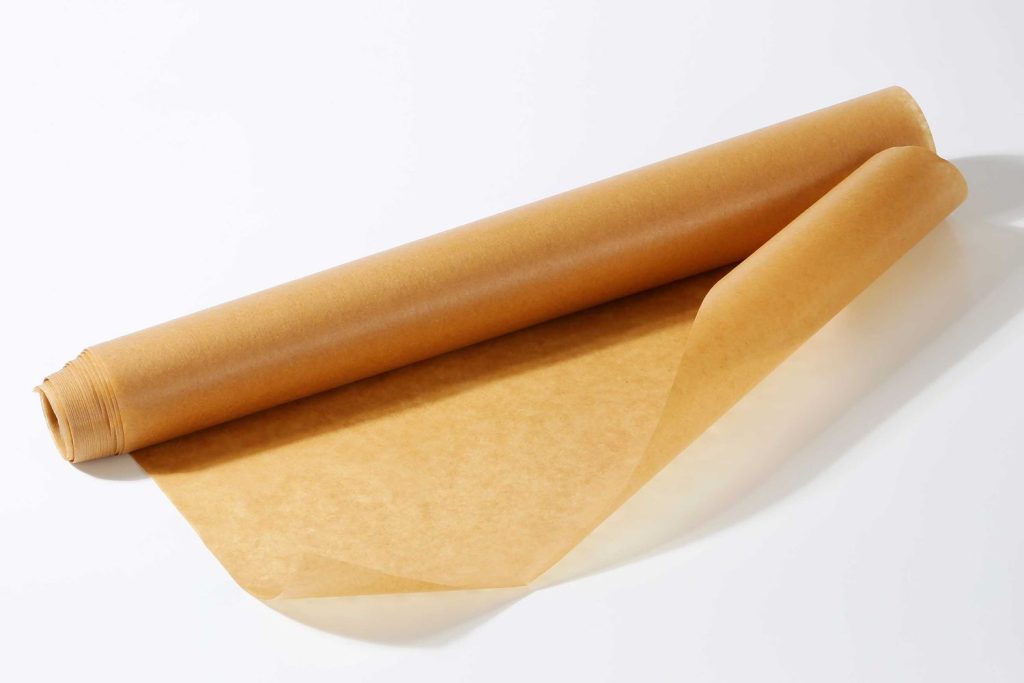
1. How to Use Parchment Paper for Baking
Parchment paper is most commonly used for baking because it creates a nonstick surface and helps baked goods cook more evenly.
Line a Baking Sheet
One of the easiest ways to use parchment paper is to line a baking sheet before baking cookies, pastries, or roasted foods.
Simply cut a sheet of parchment paper to fit the pan and place it flat on the surface. The paper prevents food from sticking and makes cleanup much easier.
In most cases, there is no need to grease the parchment paper because it already has nonstick properties.
Line a Cake Pan
Parchment paper can also be used to line cake pans.
For round cake pans, trace the bottom of the pan onto parchment paper and cut out a circle. Place the circle in the bottom of the pan before adding the batter.
For square or rectangular pans, cut the paper to fit the bottom and sides.
This simple step helps cakes release cleanly after baking and reduces the risk of sticking.
Bake Cookies on Parchment Paper
Many bakers prefer parchment paper when making cookies.
The paper creates a barrier between the cookie dough and the hot baking sheet, helping cookies bake more evenly. It can also reduce excessive browning on the bottom of cookies and make transferring them easier after baking.
2. How to Use Parchment Paper for Cooking
Parchment paper isn’t just for baking. It can also be useful for several cooking methods.
Roast Vegetables
Lining a baking sheet with parchment paper before roasting vegetables helps prevent sticking and makes cleanup much faster.
Spread vegetables in a single layer on the parchment-lined pan and roast as usual. The vegetables can still develop a delicious roasted flavor while the pan stays cleaner.
Cook Fish or Chicken en Papillote
Parchment paper is often used for a cooking technique called “en papillote,” which means cooking food in a paper packet.
Place fish, chicken, or vegetables in the center of a sheet of parchment paper. Add seasonings and a small amount of liquid if desired. Fold the paper into a sealed packet and bake.
The packet traps steam, helping the food stay moist and flavorful.
Separate Frozen Foods
Parchment paper can be helpful when freezing foods.
Place small sheets between burger patties, cookie dough portions, pancakes, or slices of meat before freezing. The paper prevents items from sticking together, making it easier to separate them later.
3. How to Use Parchment Paper for Food Prep
Parchment paper can simplify many food preparation tasks before cooking even begins.
Rolling Out Dough
Many bakers use parchment paper when rolling out dough for cookies, pie crusts, and pastries.
Place the dough between two sheets of parchment paper before rolling. This prevents sticking and reduces the need for additional flour.
As a result, cleanup is easier and the dough maintains the proper texture.
Transferring Dough
Parchment paper makes it easier to move delicate doughs.
Pizza dough, pie crusts, and cookie dough can be rolled directly on parchment paper and then transferred to a baking sheet without tearing or stretching.
This technique is especially useful for soft doughs that are difficult to handle.
Decorating and Drizzling
Parchment paper can protect countertops and work surfaces during decorating projects.
Place a sheet underneath baked goods while drizzling chocolate, icing, or glaze. When you’re finished, simply discard the paper and enjoy a much easier cleanup.
4. Tips for Using Parchment Paper Correctly
Do Not Exceed the Recommended Oven Temperature
Most parchment paper is oven-safe only up to a specific temperature listed on the packaging.
Always check the manufacturer’s instructions before use to avoid scorching or damaging the paper.
Keep Parchment Paper Away from Open Flames
Parchment paper should never come into direct contact with open flames or heating elements.
Avoid using it under a broiler unless the manufacturer specifically states it is safe.
Trim Excess Paper if Necessary
If parchment paper extends too far beyond the edges of a baking sheet or pan, trim the excess.
This helps prevent the paper from curling upward and potentially touching heating elements.
Use the Right Side of the Paper
Most parchment paper is coated on both sides, meaning either side can face up. If you’re unsure, check the package instructions for guidance.
5. Frequently Asked Questions
Can parchment paper be reused?
Yes, parchment paper can often be reused several times, especially when baking items such as cookies or pastries. However, if the paper becomes greasy, brittle, torn, or heavily browned, it should be replaced.
What’s the difference between parchment paper and wax paper?
Parchment paper is coated with silicone, making it heat-resistant and safe for oven use. Wax paper has a wax coating that can melt or burn when exposed to high heat. For baking and roasting, parchment paper is the better choice.
Can parchment paper be used for freezing food?
Yes. Parchment paper works well for separating foods before freezing. It helps prevent items such as burger patties, cookies, pancakes, and chicken breasts from sticking together in the freezer.
Can parchment paper be used in a microwave?
In most cases, yes. Parchment paper is generally microwave-safe and can be used to cover food or line microwave-safe dishes. Always follow the manufacturer’s recommendations for best results.
What can I use if I don’t have parchment paper?
Common alternatives include silicone baking mats, aluminum foil, or a lightly greased baking pan. The best substitute depends on the recipe and cooking method being used.
Conclusion
Parchment paper is a simple kitchen tool that offers many practical benefits. From lining baking sheets and cake pans to preparing dough and separating frozen foods, it can make cooking and baking easier while reducing cleanup time.
Once you learn how to use parchment paper effectively, you’ll find countless ways to incorporate it into your everyday kitchen routine. Keeping a roll in your pantry ensures you’ll always have a convenient nonstick solution ready whenever you need it.