Air fryers have become one of the most popular kitchen appliances because they make cooking quick, convenient, and easy. They use hot circulating air to cook food, creating a crispy texture similar to deep frying while using little to no oil.
If you’ve recently purchased an air fryer, you may be wondering how to use it properly. Learning the basics can help you avoid common mistakes, cook food more evenly, and get better results from the start.
This beginner-friendly guide explains how to use an air fryer correctly, along with helpful tips to make your meals crispier and more delicious.
1. Get to Know Your Air Fryer Before Using It
Before cooking your first meal, take a few minutes to familiarize yourself with your air fryer.
Identify the Main Parts
Although air fryer designs vary, most models include:
- A basket for holding food
- A crisper plate or tray
- A control panel with temperature and timer settings
- An outer housing that contains the heating element and fan
Knowing how these parts work together will make the cooking process much easier.
Read the User Manual
Every air fryer is slightly different. Some models require preheating, while others do not.
The user manual provides important information about:
- Recommended temperatures
- Cooking times
- Capacity limits
- Safety instructions
Taking a few minutes to read the manual can help you avoid mistakes later.
Wash Removable Parts
Before using your air fryer for the first time, wash the basket and any removable accessories with warm soapy water.
Dry everything thoroughly before reassembling the appliance.
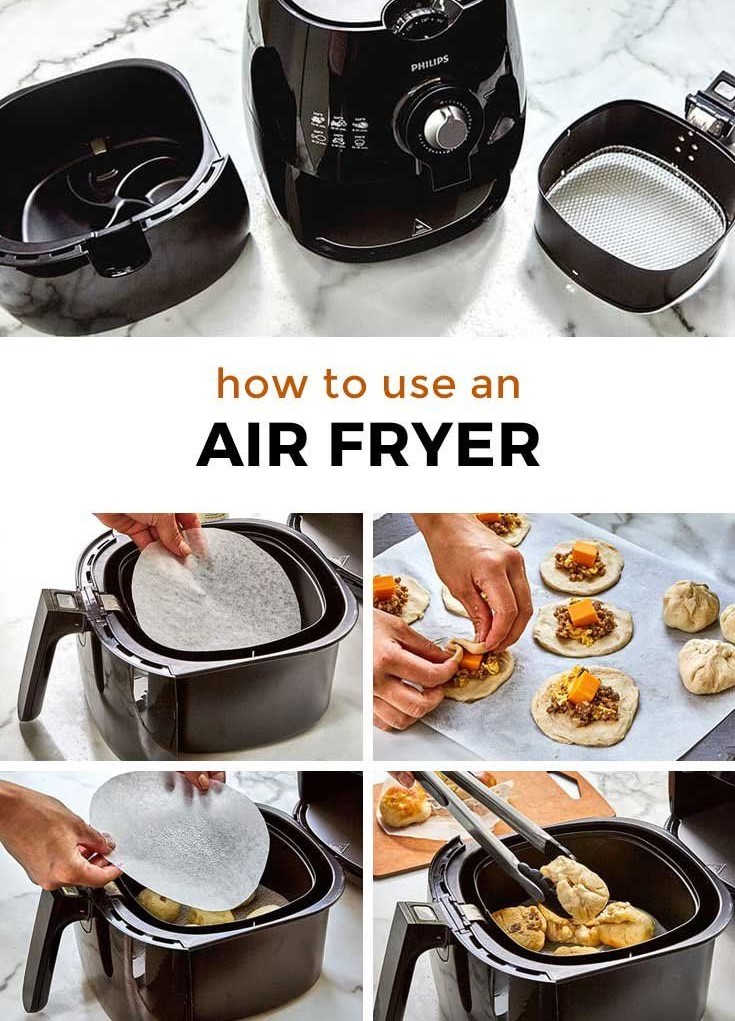
2. How to Use an Air Fryer Correctly (Step-by-Step)
Once your air fryer is ready, follow these simple steps for successful cooking.
Step 1: Preheat the Air Fryer (If Needed)
Many air fryers perform better when preheated for 3 to 5 minutes.
Preheating helps create a hot cooking environment before the food is added, which can improve browning and crispiness.
Check your user manual to see if preheating is recommended for your model.
Step 2: Prepare the Food
Prepare your ingredients as you normally would.
For best results:
- Pat foods dry with paper towels when needed
- Season food before cooking
- Lightly coat food with oil if you want extra crispiness
A small amount of oil is usually enough. Too much oil can create excess smoke and greasy results.
Step 3: Arrange Food in a Single Layer
Place the food in the basket in a single layer whenever possible.
Avoid stacking or overcrowding food because the hot air needs space to circulate around each piece.
Cooking in smaller batches often produces better results than trying to cook everything at once.
Step 4: Set the Temperature and Cooking Time
Choose the appropriate temperature and cooking time for your food.
As a general guideline:
- Frozen foods often cook between 350°F and 400°F
- Vegetables typically cook between 375°F and 400°F
- Chicken and meats often cook between 375°F and 400°F
If you’re unsure, start with a shorter cooking time and add more time if needed.
Step 5: Shake or Flip the Food
Many foods cook more evenly when shaken or flipped halfway through cooking.
This is especially important for:
- French fries
- Chicken wings
- Vegetables
- Frozen snacks
A quick shake helps all sides become evenly browned and crispy.
Step 6: Check for Doneness
Before the timer ends, check your food to make sure it’s cooked to your liking.
Different air fryer models can cook at slightly different speeds.
If necessary, continue cooking for a few more minutes until the food reaches the desired texture and temperature.
3. Common Air Fryer Mistakes to Avoid
Even experienced cooks make mistakes when using an air fryer. Avoiding these common problems can improve your results.
Overcrowding the Basket
One of the biggest mistakes is putting too much food in the basket. When food is packed tightly together, hot air cannot circulate properly, leading to uneven cooking and less crispy results.
Using Too Much Oil
Air fryers require far less oil than traditional frying methods. Using excessive oil can make food greasy and may even cause smoking inside the appliance.
Skipping the Shake or Flip
Many foods benefit from being moved during cooking. Skipping this step can result in uneven browning and inconsistent texture.
Not Cleaning the Air Fryer Regularly
Food particles and grease can build up over time. Regular cleaning helps maintain performance and prevents unwanted odors.
Using Foods That Are Too Wet
Wet batters do not always work well in air fryers. Foods with excessive moisture may not crisp properly and can create a mess inside the basket.
4. Best Foods to Cook in an Air Fryer
Some foods are especially well-suited for air fryer cooking.
Frozen Foods
Air fryers are excellent for cooking frozen convenience foods such as:
These foods often become crispier than when baked in a conventional oven.
Vegetables
Many vegetables develop a delicious roasted flavor in an air fryer.
Popular options include:
- Broccoli
- Brussels sprouts
- Carrots
- Zucchini Fries
- Cauliflower
A light coating of oil can help vegetables brown beautifully.
Proteins
Air fryers also work well for cooking protein-rich foods.
Some beginner-friendly options include:
These foods can cook quickly while remaining juicy inside.
5. Frequently Asked Questions
Do you need to preheat an air fryer every time?
Not always. Some recipes benefit from preheating, while others cook perfectly without it. Check your air fryer’s manual and recipe instructions for guidance.
Can you put aluminum foil in an air fryer?
Yes, aluminum foil can be used in many air fryers. However, it should not block airflow, and it should always be secured by food to prevent it from moving around during cooking.
Can you use parchment paper in an air fryer?
Yes. Parchment paper designed for air fryer use can help reduce sticking and make cleanup easier. Always place food on top of the paper to keep it in place.
Why isn’t my food getting crispy?
The most common reasons include overcrowding the basket, using too much moisture, skipping preheating, or not cooking at a high enough temperature.
How often should you clean an air fryer?
The basket should be cleaned after each use. Regular cleaning helps prevent grease buildup and keeps the appliance performing properly.
Conclusion
Learning how to use an air fryer correctly is simple once you understand the basics. By preheating when necessary, arranging food in a single layer, using the right temperature, and avoiding common mistakes, you can achieve consistently delicious results.
As you become more familiar with your air fryer, you’ll discover that it’s a versatile appliance capable of preparing everything from crispy snacks to healthy weeknight meals. Start with simple recipes, experiment with different foods, and enjoy the convenience that air fryer cooking has to offer.