Choosing the right diet can make a big difference in your weight-loss journey. The Keto and Carnivore diets are both popular low-carb approaches that help many people burn fat and reduce cravings, but they take very different paths to get there.
If you’re trying to decide between the two, understanding their differences is the first step. This guide compares the Keto and Carnivore diets, including how they work, their benefits, potential drawbacks, and which one is the better choice for sustainable weight loss.
1. Keto vs Carnivore Diet: Key Differences
Although both diets are very low in carbohydrates, there are several important differences that can affect your weight-loss journey and overall health.
Food Choices and Flexibility
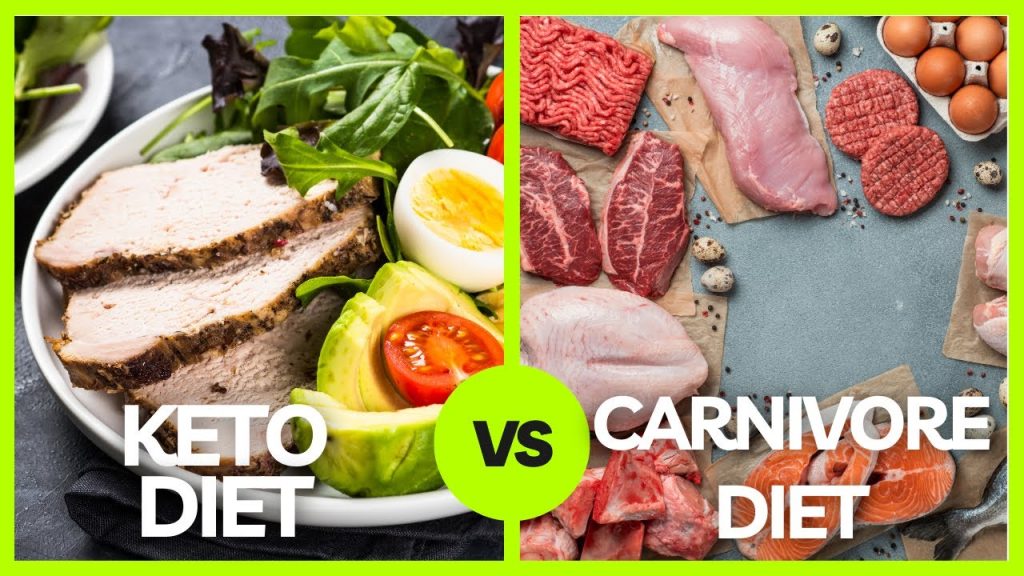
One of the biggest differences is the variety of foods you can eat. The Keto diet includes meat, fish, eggs, healthy fats, dairy, nuts, seeds, and plenty of low-carb vegetables. This gives you more meal options and makes it easier to enjoy a balanced diet.
The Carnivore diet, on the other hand, focuses almost entirely on animal-based foods. Vegetables, fruits, grains, legumes, and nuts are all excluded. While some people enjoy the simplicity, others may find the limited food choices difficult to follow for long periods.
Weight Loss Effectiveness
Both diets can be effective for weight loss because they significantly reduce carbohydrate intake and help control hunger. Many people lose weight quickly during the first few weeks as the body burns stored glycogen and excess water.
Over time, lasting weight loss depends more on maintaining a calorie deficit than on the specific diet itself. Since both eating plans encourage filling, protein-rich foods, they can help reduce overall calorie intake. However, Keto’s wider range of foods often makes it easier to stay consistent, which is one of the most important factors for long-term success.
Nutrition and Health Benefits
The Keto diet provides a broader range of nutrients because it includes vegetables, nuts, seeds, and healthy plant oils. These foods supply fiber, vitamins, minerals, and antioxidants that support digestive health, heart health, and overall wellness.
The Carnivore diet removes nearly all plant foods, which may reduce fiber and certain micronutrients. While some followers report positive experiences, maintaining balanced nutrition on such a restrictive diet can require careful planning.
Sustainability
Long-term success depends on choosing a diet you can realistically maintain. For most people, Keto is easier to follow because it allows more variety, making family meals, dining out, and social events much simpler.
The Carnivore diet’s strict rules can become challenging over time. Constantly limiting yourself to animal products may lead to boredom and make the diet harder to stick with, increasing the chances of returning to old eating habits.
Side Effects and Potential Risks
Both diets can cause temporary side effects when you first begin. Keto users sometimes experience the “keto flu,” which may include fatigue, headaches, or irritability during the adjustment period.
The Carnivore diet may also cause digestive changes as the body adapts to an almost entirely meat-based eating pattern. Because it excludes many nutrient-rich plant foods, it may also increase the risk of nutritional deficiencies if meals are not carefully planned.
2. Which Diet Is Better for Weight Loss?
Both Keto and Carnivore can help people lose weight, but the better choice depends on more than just how quickly the number on the scale changes. The best diet is one that helps you create healthy habits and maintain your results over time.
Choose Keto If…
The Keto diet is an excellent option if you:
- Want a wider variety of foods.
- Enjoy eating vegetables along with meat and healthy fats.
- Prefer a balanced approach to low-carb eating.
- Need a diet that fits family meals and social occasions.
- Are looking for a sustainable lifestyle rather than a short-term challenge.
Because Keto offers more flexibility, many people find it easier to follow consistently while still achieving steady weight loss.
Choose Carnivore If…
The Carnivore diet may be worth considering if you:
- Prefer eating mostly animal products.
- Like keeping meals extremely simple.
- Feel satisfied with a highly structured eating plan.
- Don’t mind eliminating nearly all plant-based foods.
However, because the diet is very restrictive, it may not be practical or enjoyable for many people over the long term.
3. Final Verdict
Both the Keto and Carnivore diets can help you lose weight by reducing carbohydrate intake and encouraging your body to burn fat for fuel. They also emphasize filling foods that may help control hunger and make it easier to eat fewer calories. However, when comparing the two diets side by side, the Keto diet offers several advantages that make it the better choice for most people.
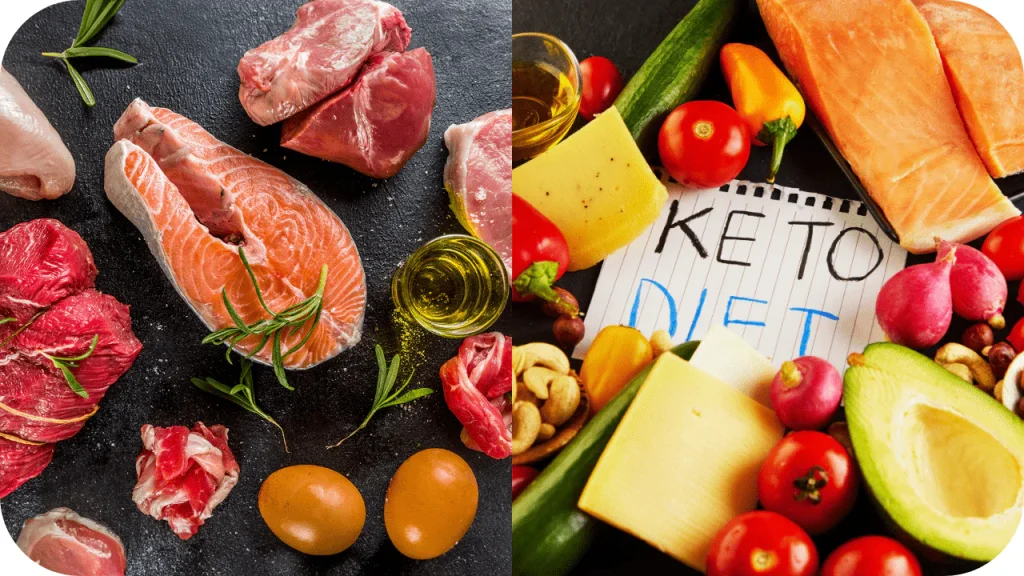
Keto provides a much wider variety of foods, allowing you to enjoy meat, seafood, eggs, healthy fats, low-carb vegetables, nuts, seeds, and some dairy. This greater flexibility makes it easier to prepare balanced meals, eat with family and friends, and stay committed to the diet over the long term. It also supplies more fiber, vitamins, minerals, and antioxidants than the Carnivore diet, helping support overall health while working toward your weight-loss goals.
The Carnivore diet may appeal to people who prefer an extremely simple eating plan or enjoy eating mostly animal products. However, its highly restrictive nature can make it difficult to maintain and may limit important nutrients if it isn’t carefully planned. For many people, these challenges outweigh the potential benefits.
If your goal is lasting weight loss rather than quick short-term results, the Keto diet is the smarter and more practical option. It offers an effective balance of fat-burning potential, nutritional variety, and long-term sustainability, making it easier to build healthy eating habits that you can maintain for years.
Choose the Keto diet if you’re looking for a flexible, enjoyable, and sustainable way to lose weight while supporting your overall health. As with any major dietary change, it’s always a good idea to consult a healthcare professional before starting a new eating plan, especially if you have an underlying medical condition or take prescription medications.