Cooking vegetables on the stovetop is one of the quickest ways to prepare a healthy side dish, and asparagus is one of the best vegetables for this method. When cooked properly, asparagus becomes tender while still keeping a slight crisp texture that makes every bite satisfying.
In this guide, you’ll learn how to cook asparagus on stove top using easy ingredients and simple techniques. With only a few minutes of cooking time, sautéed asparagus can easily become one of your go-to vegetable recipes for busy weeknight dinners.
1. How to Cook Asparagus on Stove Top ( Yield: 3 – 4 Serving )
Ingredients
- 1 bunch of asparagus (about 1 1/4 lb.)
- 1 tbsp olive oil
- 1 tbsp unsalted butter
- 2 cloves garlic, chopped
- 1 tsp salt
- 1/2 tsp ground black pepper
- 1/2 lemon
- 2 tbsp grated parmesan cheese, for serving
Instructions
Prepare the asparagus
Start by rinsing the asparagus thoroughly under cold running water to remove any dirt or grit. After washing, gently pat the asparagus dry using a clean kitchen towel or paper towels.
Next, trim the tough ends from the asparagus. The bottom part of the stalks is usually woody and fibrous. You can snap off the ends by bending each spear near the bottom; it will naturally break where the tough part begins. Alternatively, line the spears up on a cutting board and trim about 1–2 inches from the bottom with a knife.
If the asparagus spears are thick, you can slice them in half lengthwise so they cook more evenly.
Heat the pan
Place a large skillet or sauté pan over medium heat. Add the olive oil and butter to the pan and allow the butter to melt completely. The combination of oil and butter helps prevent burning while adding rich flavor to the asparagus.
Once the butter is melted and slightly bubbling, the pan is ready for the asparagus.
Sauté the asparagus
Add the trimmed asparagus to the hot pan in a single layer. Try not to overcrowd the pan so the asparagus cooks evenly.
Let the asparagus cook for about 2–3 minutes without stirring too much. This allows the spears to develop a slight golden color on the bottom, which adds flavor.
After a few minutes, stir or toss the asparagus using tongs or a spatula. Continue cooking for another 3–4 minutes, stirring occasionally. The asparagus should become bright green and tender but still slightly crisp.
Add garlic and seasoning
Once the asparagus is nearly cooked, add the chopped garlic to the pan. Stir gently to distribute the garlic evenly.
Cook for about 30–60 seconds, just until the garlic becomes fragrant. Be careful not to let the garlic burn, as it can turn bitter quickly.
Sprinkle the salt and ground black pepper over the asparagus and toss to coat evenly.
Add fresh lemon
Squeeze the juice from half a lemon over the asparagus. The lemon juice brightens the flavor and balances the richness of the butter.
Toss the asparagus again to combine all the flavors.
Finish and serve
Remove the pan from the heat and transfer the asparagus to a serving plate.
Sprinkle the grated parmesan cheese over the top just before serving. The cheese melts slightly from the heat of the asparagus and adds a savory finish.
Serve the sautéed asparagus immediately while it is warm and fresh.
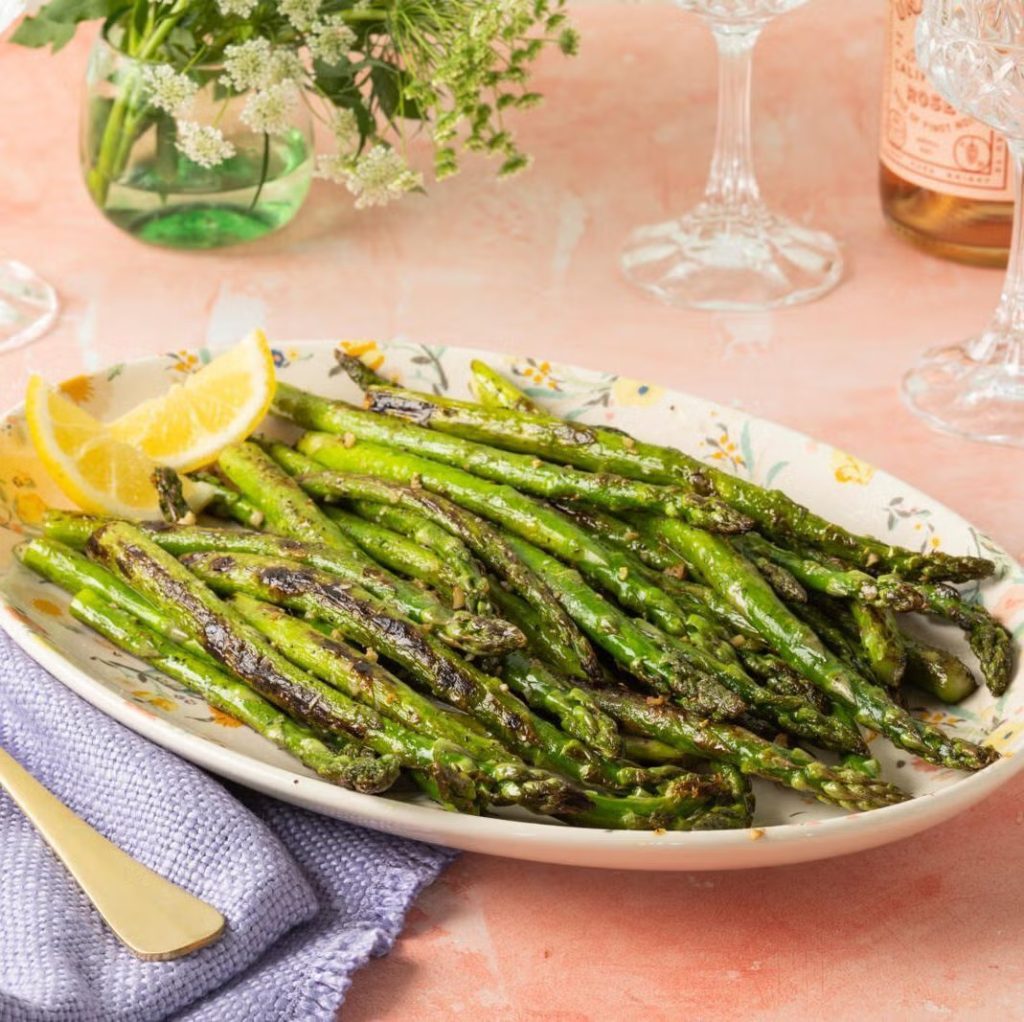
2. Tips for Perfect Sautéed Asparagus
Choose fresh asparagus whenever possible. Look for spears that are firm, bright green, and have tightly closed tips. Avoid asparagus that looks wilted or has dry ends.
Cook asparagus in a large pan so the spears can spread out in a single layer. Crowding the pan causes the asparagus to steam instead of sauté, which prevents it from getting a lightly caramelized flavor.
Medium heat works best for sautéing asparagus. High heat may burn the garlic or butter, while low heat can make the asparagus cook too slowly and become soft.
Do not overcook asparagus. Properly cooked asparagus should be tender but still have a slight crisp bite. Overcooked asparagus becomes mushy and loses its vibrant color.
Add garlic near the end of cooking. Garlic cooks very quickly, so adding it later helps prevent burning and preserves its fresh flavor.
Finish the dish with lemon juice right before serving. The acidity helps highlight the natural taste of asparagus and keeps the dish from tasting heavy.
3. Frequently Asked Questions
How do I know when asparagus is cooked properly?
Asparagus is cooked when it turns bright green and becomes tender enough to pierce with a fork while still maintaining a slight crisp texture. It should not feel mushy or overly soft.
Can I cut asparagus into smaller pieces before cooking?
Yes, you can cut asparagus into 2–3 inch pieces if you prefer smaller bites. This is also helpful when mixing asparagus into pasta dishes, rice bowls, or stir-fries.
Do I need to peel asparagus before cooking?
Most asparagus does not need to be peeled. However, if the stalks are very thick, you can peel the lower portion of the spear with a vegetable peeler to remove the tougher outer layer.
Can I cook asparagus without butter?
Yes, you can cook asparagus using only olive oil if you prefer a lighter dish or want a dairy-free option. The flavor will still be delicious, especially with garlic and lemon.
What dishes pair well with sautéed asparagus?
Sautéed asparagus pairs well with many main dishes such as grilled chicken, roasted salmon, steak, pasta, or rice dishes. Its light flavor makes it a versatile side for many meals.
4. Nutrition Information
| Nutrient | Amount per Serving |
|---|---|
| Calories | 110 |
| Protein | 4 g |
| Carbohydrates | 7 g |
| Fiber | 3 g |
| Sugar | 2 g |
| Fat | 8 g |
| Saturated Fat | 3 g |
| Sodium | 610 mg |
| Cholesterol | 10 mg |
| Vitamin C | 12 mg |
| Calcium | 90 mg |
| Iron | 2 mg |
Nutrition values are approximate and may vary depending on ingredient brands and portion sizes.
Cooking asparagus on the stovetop is one of the easiest ways to create a quick and flavorful vegetable side dish. With just a handful of ingredients and a few minutes of cooking time, you can transform fresh asparagus into a vibrant, delicious addition to almost any meal.
By using simple techniques like sautéing with olive oil, butter, garlic, and lemon, you can enhance the natural flavor of asparagus while keeping its crisp texture and bright color. Once you master this easy stovetop method, you’ll find yourself making sautéed asparagus again and again as a healthy, satisfying side dish for everyday cooking.