Sticky rice, also called glutinous rice, is a staple in many Asian cuisines and is known for its soft, chewy texture and natural stickiness. Learning how to cook it properly at home is easier than it may seem, especially when you follow the right preparation and cooking steps.
This recipe gives you three convenient ways to cook sticky rice: on the stovetop, in a rice cooker, or in an Instant Pot. Each method starts with rinsing and soaking the rice, then uses a simple cooking process to help the grains become tender and pleasantly sticky.

1. How To Cook Sticky Rice (Yield: 6 Servings)
Ingredients
- 2 cups sticky rice (glutinous rice)
- 2½ cups water for stovetop or rice cooker
- 2 cups water for Instant Pot
Instructions
Rinse Sticky Rice: Place the sticky rice in a large bowl and rinse it under cold water. Gently stir the rice with your hand while rinsing to remove any excess starch then drain.
Soak & Drain Sticky Rice: Transfer rinsed sticky rice to a saucepan and add enough water to cover the rice. Let it soak for at least 4 hours. Soaking the rice helps soften the grains and promote even cooking.
After soaking, drain the water from the rice using a fine-mesh sieve or colander. Make sure to remove as much water as possible.
Cook Sticky Rice:
- Stovetop Method
Place the drained rice in a saucepan and add 2 1/2 cups of fresh water. Cover the saucepan with a tight-fitting lid and bring it to a boil over high heat.
Once the water comes to a boil, reduce the heat to low and let the rice simmer for about 15-20 minutes. Avoid removing the lid or stirring the rice during this time to ensure even cooking and prevent steam from escaping.
After 15-20 minutes of simmering, remove the saucepan from the heat and let it sit, covered, for an additional 10 minutes. This allows the rice absorb any remaining moisture.
- Rice Cooker Method
Place the drained rice back into the inner pot of the rice cooker. Add 2 1/2 cups of fresh water to the rice. Close the lid of the rice cooker and select the appropriate cooking setting for sticky rice or the regular rice setting if available.
Press the start button on your rice cooker to begin the cooking cycle. The rice cooker will automatically adjust the cooking time and temperature based on the selected setting.
Once the cooking cycle is complete, let the rice sit in rice cooker for an additional 10 minutes to allow it absorb any remaining moisture.
- Instant Pot Method
Place the drained rice back into the inner pot of the Instant Pot then add 2 cups of fresh water to the rice. Close the lid and ensure the steam release valve is set to the sealing position. Select the “Pressure Cook” or “Manual” setting, and set the cooking time to 6 minutes on high pressure.
Press the start button on your Instant Pot to begin the cooking cycle. The Instant Pot will take some time to come to pressure before the cooking time begins.
Once the cooking time is complete, allow the Instant Pot to naturally release the pressure for 10 minutes. After 10 minutes, carefully perform a quick pressure release by turning the steam release valve to the venting position. Be cautious of the hot steam.
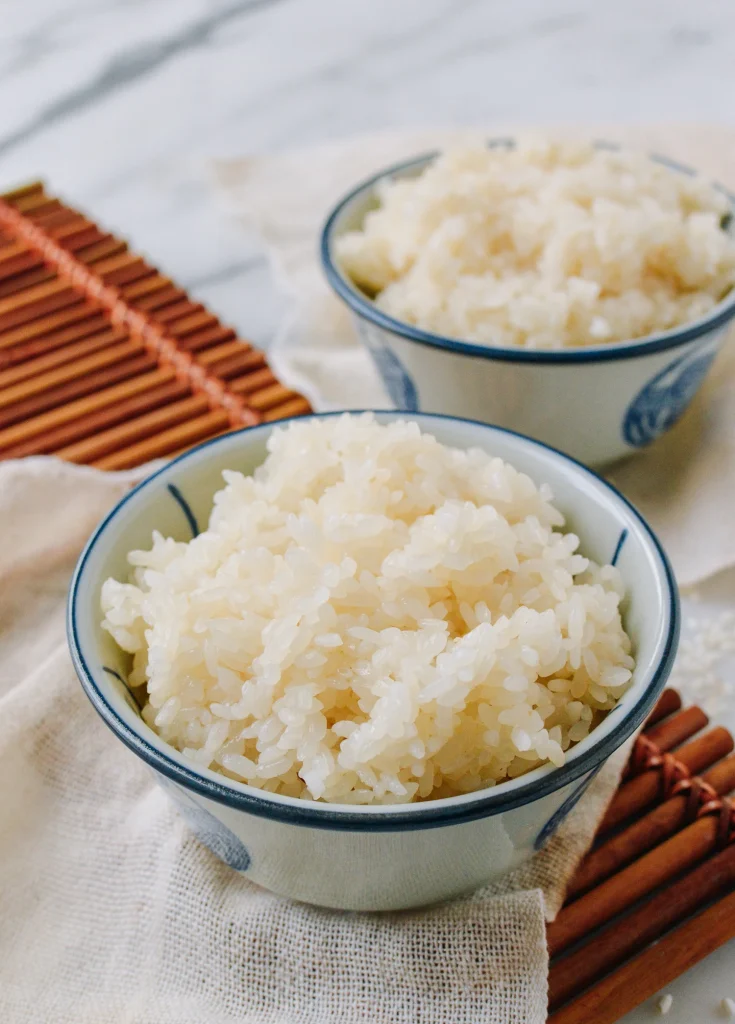
Fluff Sticky Rice: After the resting time, remove the lid and fluff the rice gently with a fork or chopsticks to separate the grains. The sticky rice is now ready to be served.
2. Tips for Cooking Perfect Sticky Rice
Do not skip the soaking step. Sticky rice benefits greatly from soaking because the grains need time to absorb water before cooking. Skipping this step can result in unevenly cooked rice.
Rinse the rice thoroughly. Gently rinsing removes excess surface starch and helps clean the grains before soaking.
Drain the rice well. After soaking, remove as much excess water as possible. Too much water carried over from the soaking process can affect the final texture.
Keep the lid closed. Whether you are using the stovetop or rice cooker, keeping the lid closed helps retain the steam needed to cook the rice evenly.
Do not stir while cooking. Stirring can disturb the grains and release additional starch, which can make the texture heavier than desired.
Let the rice rest after cooking. The resting period is important because it allows the remaining moisture to distribute throughout the rice and helps the texture become more consistent.
Fluff gently. Use chopsticks or a fork to loosen the rice without aggressively mixing it. Sticky rice should remain cohesive while still having distinct grains.
Use the correct rice. Look for rice specifically labeled sticky rice, glutinous rice, or sweet rice. Regular long-grain or short-grain rice will not produce the same naturally sticky texture.
3. Frequently Asked Questions
Is sticky rice the same as sushi rice?
No. Sticky rice and sushi rice are different types of rice. Sticky rice is glutinous rice, while sushi rice is generally a short-grain Japanese rice that becomes sticky when cooked but has a different texture and starch composition.
Why is sticky rice called glutinous rice?
The term refers to its naturally sticky texture when cooked. Despite the name, glutinous rice does not contain gluten and is not the same thing as wheat-based gluten.
Can I soak sticky rice overnight?
Yes. Soaking overnight can be a convenient option when you want to prepare the rice ahead of time. If soaking for an extended period, keep the rice refrigerated.
Can I freeze cooked sticky rice?
Yes. Allow the cooked rice to cool appropriately, then portion it into airtight freezer-safe containers or bags. Freezing individual portions makes it easier to reheat only what you need.
How should I reheat sticky rice?
You can reheat sticky rice in the microwave with a small splash of water and a covered container to help restore moisture. It can also be gently steamed until heated through.
4. Nutrition Information
The following nutrition information is an estimate based on 2 cups of uncooked sticky rice divided into 6 servings. The values may vary depending on the specific type and brand of glutinous rice used.
| Nutrient | Amount per Serving |
|---|---|
| Calories | 240 kcal |
| Protein | 4 g |
| Carbohydrates | 53 g |
| Fat | 0.5 g |
| Saturated Fat | 0.1 g |
| Cholesterol | 0 mg |
| Sodium | 5 mg |
| Fiber | 1 g |
| Sugar | 0 g |
| Calcium | 10 mg |
| Iron | 1 mg |
Learning how to cook sticky rice is a useful kitchen skill that becomes simple once you understand the basic preparation process. Rinsing, soaking, cooking, and resting the rice are the key steps, and you can choose the cooking method that best fits your kitchen.
Whether you use a stovetop, rice cooker, or Instant Pot, following the proper soaking and cooking times will help you prepare sticky rice with a consistent texture. Once you become familiar with the process, making it at home can become an easy part of your regular cooking routine.