
Cream cheese is one of those ingredients I always think I have in the fridge—until I actually need it. Whether you’re halfway through a cheesecake recipe, trying to make a creamy pasta sauce, or just spreading something on a bagel, running out of cream cheese can feel like a full stop. The good news? It’s really not.
Over the years, I’ve experimented with a lot of cream cheese alternatives—some because of lactose intolerance, some because of dietary preferences, and some purely out of curiosity. Surprisingly, many substitutes work beautifully, sometimes even better depending on what you’re making. From dairy-based swaps to plant-based options, there’s a solution for almost every recipe.
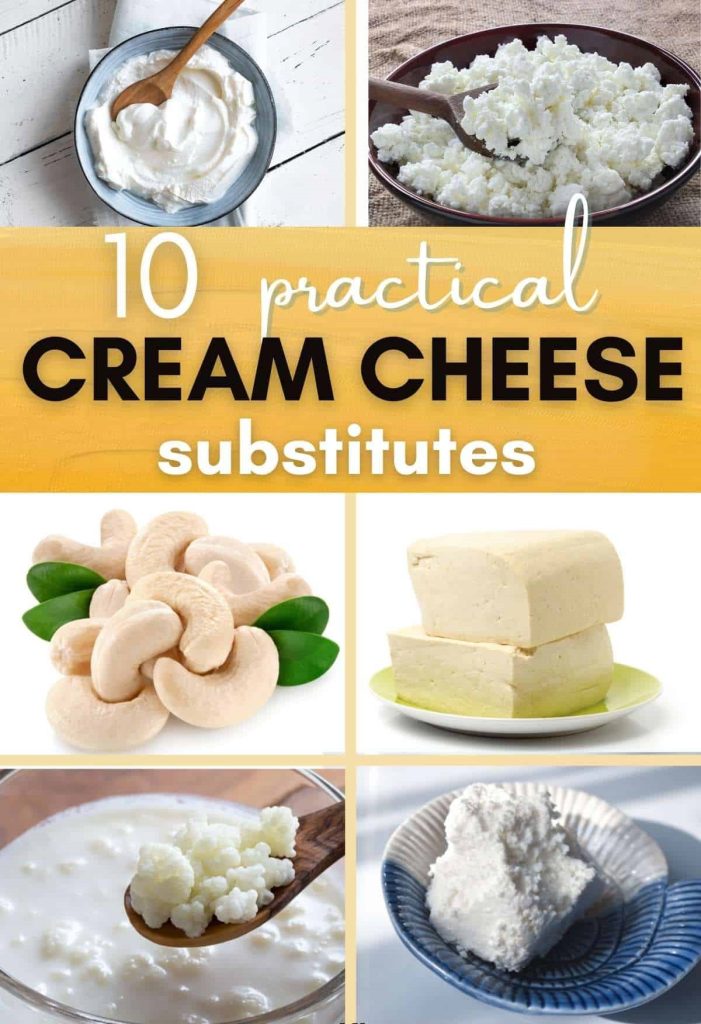
Below are 10 of the best cream cheese substitutes for baking and cooking, explained in a practical, real-kitchen way—so you can confidently swap without ruining your dish.
1. Greek Yogurt (Full-Fat Works Best)
Greek yogurt is one of my go-to cream cheese substitutes, especially when I want something lighter but still creamy. The key here is full-fat Greek yogurt—it has a thick, rich texture that’s much closer to cream cheese than regular yogurt. I often strain it for 30 minutes using a cheesecloth or paper towel to remove extra moisture, which makes it even thicker.
In baking, Greek yogurt works well in muffins, quick breads, and cakes where cream cheese adds moisture rather than structure. In savory dishes, it’s great for dips, sauces, and spreads. The flavor is tangier than cream cheese, but that slight acidity usually enhances the overall dish rather than overpowering it.
2. Mascarpone Cheese
If you want the closest dairy-based substitute, mascarpone is hard to beat. It’s rich, silky, and naturally sweet, making it an excellent stand-in for cream cheese—especially in desserts. I love using mascarpone in frostings, cheesecakes, and no-bake desserts where smooth texture really matters.
The biggest difference is flavor. Mascarpone is milder and less tangy than cream cheese, so sometimes I add a teaspoon of lemon juice to balance things out. In savory cooking, mascarpone works beautifully in pasta sauces, risottos, and soups, adding a luxurious creaminess without sharpness.
3. Ricotta Cheese (Blended Smooth)
Ricotta might seem grainy at first glance, but once blended, it becomes surprisingly creamy. I’ve used blended ricotta in everything from cheesecakes to lasagna fillings, and it performs really well when you want a lighter texture. Whole milk ricotta is best—low-fat versions tend to be watery.
For baking, I always blend ricotta until completely smooth and sometimes mix it with a little heavy cream or yogurt. In savory dishes, it’s fantastic for stuffed shells, spreads, and dips. The flavor is mild and slightly sweet, which makes it incredibly versatile across both sweet and savory recipes.
4. Cottage Cheese (Blended)
Cottage cheese is one of those underrated substitutes that really shines when you treat it right. On its own, it’s too lumpy—but once blended, it becomes smooth and creamy, with a surprisingly neutral flavor. I often strain it first to remove excess liquid, then blend until silky.
This substitute works especially well in baked goods like cheesecakes, pancakes, and protein-packed desserts. It’s also great in savory cooking, such as creamy sauces or fillings. Compared to cream cheese, it’s lighter and higher in protein, which is a bonus if you’re trying to make healthier swaps without sacrificing texture.
5. Neufchâtel Cheese
Neufchâtel is probably the most underrated cream cheese substitute, even though it looks and tastes almost identical. In fact, many people don’t realize it’s a different cheese at all. It’s slightly lower in fat, a bit softer, and just as spreadable.
I use Neufchâtel as a 1:1 replacement in nearly every recipe—cheesecakes, frostings, dips, and sauces. The flavor is almost the same, just a touch tangier. If you want a substitute that requires zero adjustments and zero guesswork, this is hands-down one of the best options available.
6. Sour Cream (Best Mixed with Butter)
Sour cream alone is usually too thin to fully replace cream cheese, but when combined with softened butter, it becomes surprisingly effective. I usually mix ¾ cup sour cream with ¼ cup butter to mimic the richness and structure of cream cheese.
This combo works well in baked goods like cakes, coffee cakes, and cheesecakes, where cream cheese contributes moisture and tang. In savory dishes, it’s great for sauces, casseroles, and dips. The flavor is tangier than cream cheese, but that can actually enhance many recipes instead of hurting them.
7. Vegan Cream Cheese (Store-Bought)
Store-bought vegan cream cheese has come a long way in recent years. Made from ingredients like cashews, almonds, coconut oil, or soy, these options are specifically designed to mimic cream cheese in both texture and flavor. I’ve had the best results using them in no-bake desserts, frostings, and spreads.
In baking, some brands hold up better than others, so it’s worth testing before committing to a full recipe. Flavor-wise, they’re usually mild and slightly tangy, which works well in both sweet and savory dishes. For dairy-free or vegan cooking, this is often the easiest and most reliable substitute.
8. Cashew Cream (Homemade & Dairy-Free)
Cashew cream is one of my favorite homemade alternatives, especially when cooking for dairy-free guests. Made by blending soaked cashews with water, it becomes incredibly smooth and rich. You can adjust the thickness easily depending on your recipe.
In savory dishes, cashew cream works beautifully in pasta sauces, soups, and dips. For baking, adding a bit of lemon juice and salt helps mimic cream cheese’s tang. While it doesn’t behave exactly like cream cheese when baked, it shines in no-bake desserts, frostings, and creamy fillings.
9. Silken Tofu (Blended)
Silken tofu might not sound appealing at first, but once blended, it becomes smooth, creamy, and surprisingly neutral. I’ve used it successfully in cheesecakes, creamy sauces, and dessert fillings where structure comes from other ingredients.
To get closer to cream cheese, I usually blend silken tofu with lemon juice, a pinch of salt, and a little oil. This improves both texture and flavor. It’s a fantastic option for vegan and dairy-free cooking, especially when you want something lower in fat but still creamy and versatile.
10. Heavy Cream + Butter (DIY Creaminess)
When I’m really in a pinch, I turn to a simple combo of heavy cream and butter. While it doesn’t replicate the tang of cream cheese, it delivers richness and body, which is often what a recipe actually needs.
This mixture works best in savory cooking—think creamy sauces, soups, and casseroles. For baking, adding a splash of lemon juice or vinegar helps balance the richness. It’s not ideal for cheesecakes or spreads, but for cooking applications where creaminess matters more than flavor accuracy, it absolutely gets the job done.
Final Thoughts
Running out of cream cheese doesn’t mean your recipe is ruined—it just means it’s time to get creative. Over time, I’ve learned that the “best” substitute really depends on what you’re making. Baking usually cares more about texture and moisture, while cooking focuses on richness and flavor.
Whether you’re looking for a dairy-free option, a healthier alternative, or something you already have in the fridge, one of these substitutes will almost certainly work. Once you start experimenting, you might even find yourself choosing these alternatives on purpose—cream cheese optional.
