Cuban Black Beans are a flavorful dish that has a special place in Cuban cooking. They are often served as part of a larger meal, but they can also be enjoyed on their own when you want something filling and satisfying. Using canned beans makes this recipe much more convenient for everyday cooking while still giving you plenty of room to build a rich, balanced taste.
This Authentic Cuban Black Beans Recipe Using Canned Beans keeps the preparation practical and approachable. The beans are cooked with a simple combination of vegetables, seasonings, and a few pantry staples to create a dish that is easy to make at home. The result is a hearty side dish that can fit naturally into your regular meal rotation.
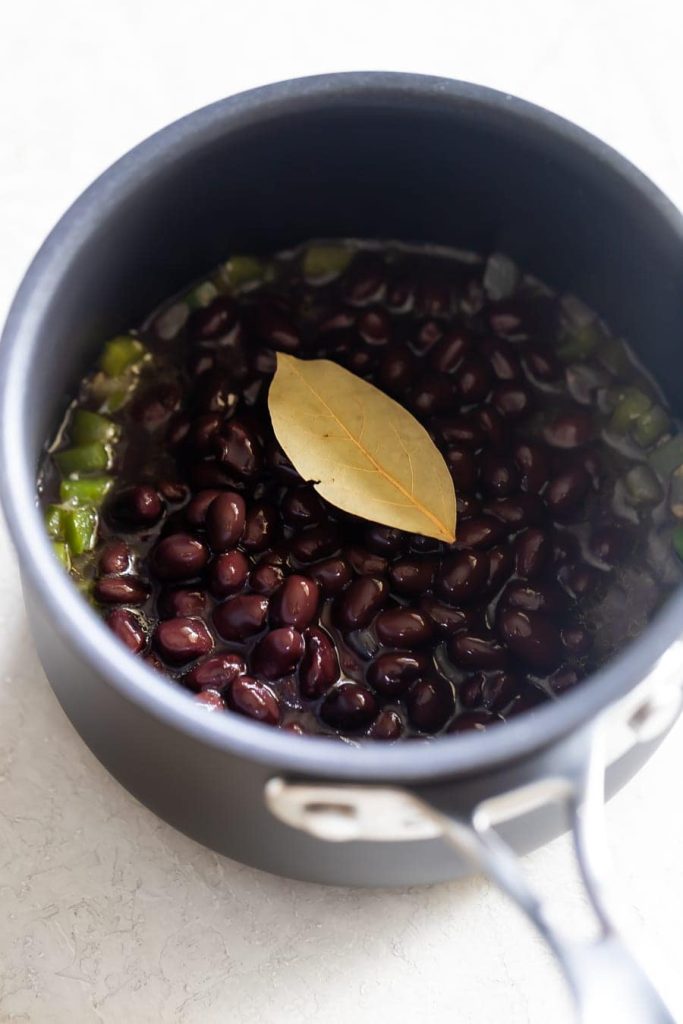
1. Authentic Cuban Black Beans Recipe (Yield: 4 Servings)
Ingredients
- 2 cans Cuban black beans, two 15-ounce cans
- 1 tablespoon extra virgin olive oil
- ½ cup diced green pepper
- ½ cup diced yellow onion
- 2 cloves garlic, minced
- 1 cup water
- 1 tablespoon red wine vinegar
- 2 teaspoons granulated sugar
- ½ teaspoon dried oregano
- ½ teaspoon ground cumin
- ½ teaspoon salt
- ¼ teaspoon black pepper
- 1 bay leaf
Instructions
Start by preparing the vegetables. Dice the green pepper and yellow onion into small, even pieces so they cook at a similar rate. Mince the garlic and set all of the vegetables aside.
Place a medium saucepan over medium heat and add the extra virgin olive oil. Once the oil is warm, add the diced green pepper and yellow onion. Cook for about 4 to 5 minutes, stirring occasionally, until the vegetables begin to soften. They do not need to become deeply browned; the goal is simply to soften them and allow their flavors to develop.
Add the minced garlic to the saucepan and cook for about 30 seconds to 1 minute. Stir constantly during this step so the garlic does not burn. Once the garlic becomes fragrant, you can move on to the beans and seasonings.
Drain the canned black beans, but do not rinse them. Add the beans to the saucepan with the softened vegetables. Pour in the water and stir gently to combine everything.
Add the red wine vinegar, granulated sugar, dried oregano, ground cumin, salt, and black pepper. Place the bay leaf into the saucepan and stir once more. The mixture may look fairly loose at this stage, but it will develop a thicker consistency as it cooks.
Bring the beans to a gentle simmer over medium heat. Once the mixture starts simmering, reduce the heat to low. Cover the saucepan partially with a lid and let the beans cook for about 20 to 25 minutes.
Stir the beans occasionally while they simmer. This helps prevent them from sticking to the bottom of the pan and allows the seasonings to spread evenly throughout the dish. Keep the heat low enough to maintain a gentle simmer rather than a rapid boil.
After about 20 minutes, check the consistency. The beans should be tender and the liquid should have reduced slightly. For a thicker texture, use the back of a spoon to gently mash some of the beans against the side of the saucepan. Stir them back into the mixture. You do not need to mash all of the beans because leaving some whole gives the dish a better texture.
Continue cooking for another 5 minutes if needed. Taste the beans and adjust the seasoning according to your preference. If you want a little more acidity, a small additional splash of red wine vinegar can be added. If the flavor needs more balance, adjust the salt gradually.
Remove the bay leaf before serving. Let the beans sit for a few minutes off the heat so the consistency can settle. Serve them warm as part of your meal.
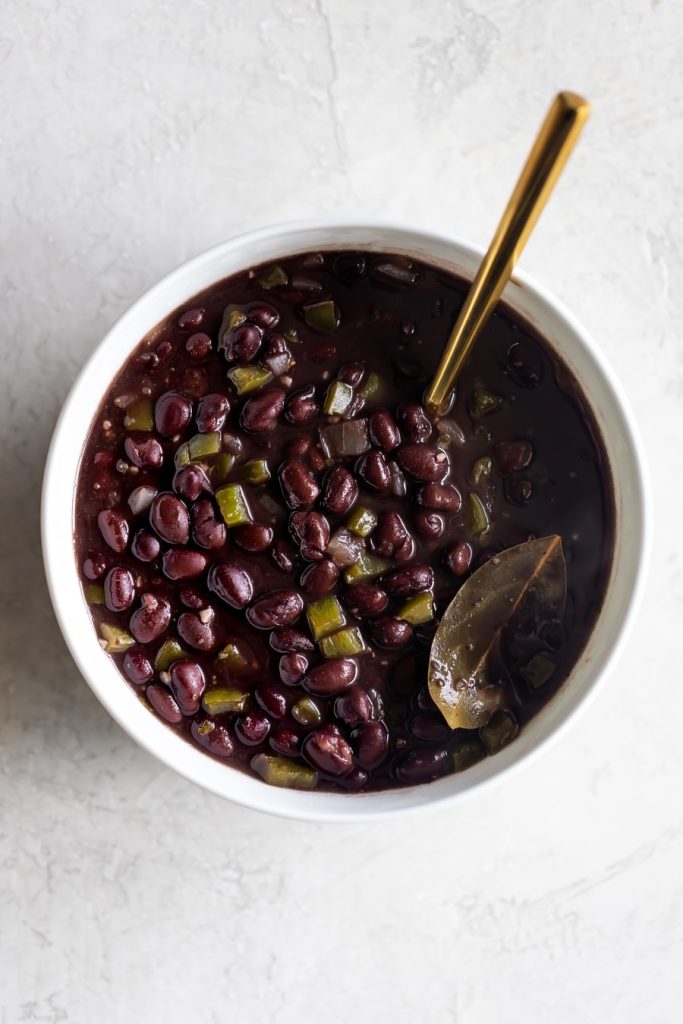
2. Tips for Perfect Authentic Cuban Black Beans
Choose canned black beans that you enjoy eating on their own. Since canned beans are the main ingredient, their quality can make a noticeable difference in the finished dish.
Do not rush the vegetables. Allowing the onion and green pepper to soften before adding the remaining ingredients gives them time to develop a deeper base of flavor.
Be careful with the garlic. Garlic only needs a short amount of time in the hot oil. Cooking it for too long can make it bitter and overpower the other seasonings.
Keep the beans at a gentle simmer. High heat can cause the liquid to evaporate too quickly and may make the beans stick to the bottom of the saucepan.
Adjust the consistency to your liking. If the beans seem too thick, add a small amount of water and continue simmering. If they are too thin, leave the saucepan uncovered for a few additional minutes to allow more liquid to evaporate.
Mashing a small portion of the beans is an easy way to create a thicker texture without adding any additional thickening ingredients. Gently mash only some of the beans so the dish still has plenty of whole beans.
Taste near the end of cooking rather than relying only on the initial amount of seasoning. Canned beans and broth-free recipes can vary in saltiness, so a final taste gives you better control over the finished dish.
Let the beans rest briefly before serving. A few minutes off the heat allows the flavors to come together and gives the liquid time to thicken slightly.
If you are making the beans ahead of time, remember that they can become thicker as they cool. When reheating, add a small splash of water if necessary and warm them gently.
3. Frequently Asked Questions
Can I use regular canned black beans instead of Cuban black beans?
Yes. Regular canned black beans can be used if Cuban-style canned beans are not available. The seasonings and cooking method in this recipe help create the overall Cuban-inspired character of the dish.
Do I need to rinse the canned black beans?
For this recipe, the beans are drained but not rinsed. Keeping some of the liquid that naturally clings to the beans can help contribute to the consistency of the dish. If your canned beans contain a large amount of liquid, simply drain them well before adding them.
Can I make Cuban black beans ahead of time?
Yes. Cuban black beans are well suited to preparing ahead because their flavor can continue to develop after cooking. Allow them to cool before transferring them to a covered container and refrigerating them.
Can I freeze leftover Cuban black beans?
Yes. Once completely cooled, the beans can be placed in a freezer-safe container and frozen. Leave a little room at the top of the container because the contents can expand as they freeze. Thaw them in the refrigerator before reheating.
What can I do if my black beans taste too acidic?
If the vinegar flavor is stronger than you prefer, add a small amount of the beans or water and let the mixture simmer for a few more minutes. You can also add a very small amount of sugar to help balance the acidity. Make adjustments gradually so the final flavor does not become overly sweet.
4. Nutrition Information
The following nutrition information is an approximate estimate for one serving. Actual values can vary depending on the specific canned beans and other ingredients used.
| Nutrient | Amount Per Serving |
|---|---|
| Calories | 245 kcal |
| Protein | 12 g |
| Total Fat | 4 g |
| Saturated Fat | 0.6 g |
| Carbohydrates | 39 g |
| Fiber | 12 g |
| Sugar | 6 g |
| Sodium | 650 mg |
| Cholesterol | 0 mg |
Authentic Cuban Black Beans are a useful recipe to keep in your cooking rotation because they bring plenty of character to a meal without requiring a long preparation. Using canned beans also makes the recipe practical for busy days when you want to cook something at home.
With a few basic pantry ingredients and a little time on the stove, you can turn canned black beans into a satisfying dish with a distinctly Cuban-inspired character. It is a straightforward recipe that can easily become part of your regular homemade meals.