There’s nothing quite like a homemade lasagna fresh from the oven. Layer after layer of rich meat sauce, creamy cheese, tender pasta, and melted mozzarella come together to create a comforting meal that’s perfect for family dinners, holidays, or meal prep. This classic recipe uses simple ingredients and easy techniques, making it approachable for both beginners and experienced home cooks.
If you’ve been searching for a reliable lasagna recipe that delivers authentic Italian-inspired flavor every time, this version is a wonderful choice. Follow the step-by-step instructions below to create a hearty, satisfying dish that serves a crowd and tastes even better the next day.
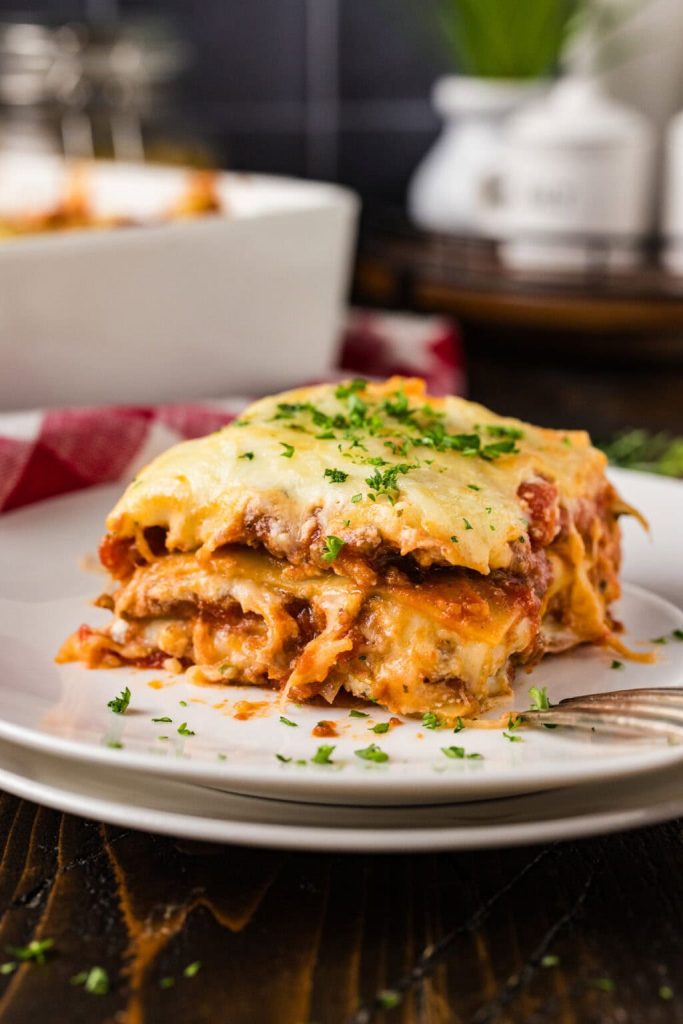
1. Authentic Italian Lasagna Recipe (Yield: 15 Servings)
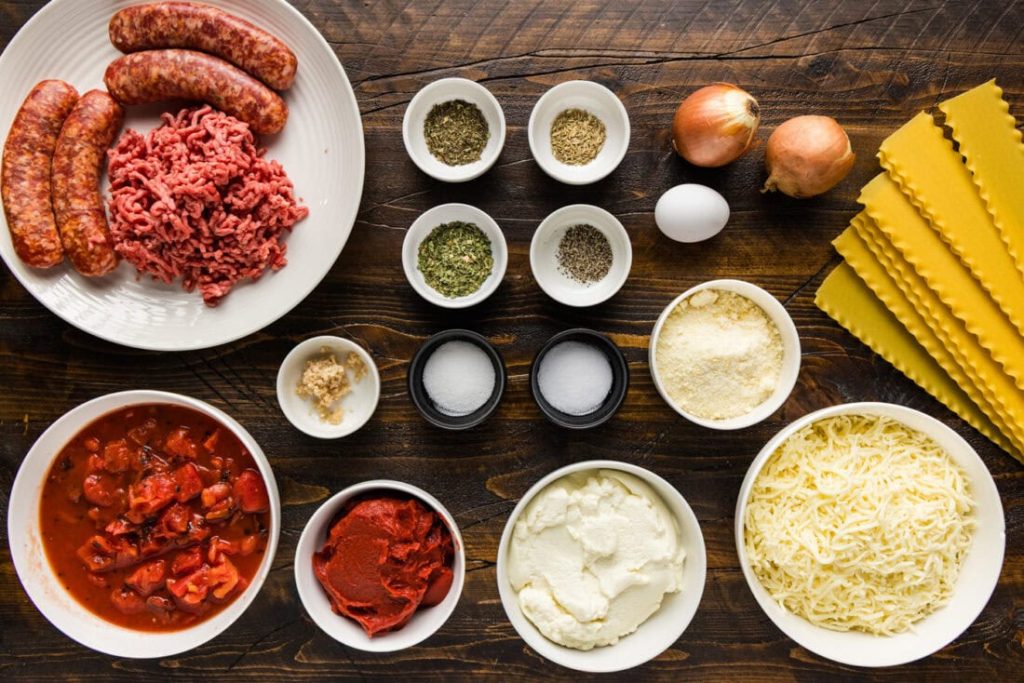
Ingredients
For the Meat Sauce:
- ½ pound lasagna noodles OR 1 whole box oven-ready lasagna noodles
- 1 pound Italian sausage
- ½ pound ground beef
- 1 cup onion, chopped
- 2 cloves garlic, minced
- 28 ounces canned diced tomatoes, undrained (fire-roasted tomatoes work especially well)
- 12 ounces tomato paste
- 2 teaspoons granulated sugar
- 2 teaspoons salt
- 1½ teaspoons dried basil leaves
- ½ teaspoon fennel seed
- ¼ teaspoon black pepper
For the Cheese Filling:
- 15 ounces ricotta cheese
- 1 large egg, beaten
- 2 teaspoons fresh parsley, minced
- ½ teaspoon salt
For the Layers:
- 4 cups shredded mozzarella cheese
- ¾ cup grated Parmesan cheese
Things You’ll Need
- 13×9-inch baking dish
- Whisk
- 3.5-quart sauté pan
- Herb scissors
Instructions
If you are using traditional lasagna noodles, cook them according to the package directions until they are just al dente. Drain the noodles and rinse them briefly with cool water to stop the cooking process. Lay them flat on a lightly oiled baking sheet or clean kitchen towel so they do not stick together. If you are using oven-ready noodles, you can skip this step.
Place the sauté pan over medium heat. Add the Italian sausage and ground beef, breaking the meat into small crumbles as it cooks. Stir frequently until the meat is browned and no longer pink. Carefully drain away any excess grease.
Add the chopped onion to the cooked meat and continue cooking for about 5 minutes, stirring occasionally until the onion becomes soft and translucent. Stir in the minced garlic and cook for another minute until fragrant.
Pour the canned tomatoes and tomato paste into the pan. Stir well until everything is fully combined. Add the sugar, salt, dried basil, fennel seed, and black pepper. Mix thoroughly so the seasonings are evenly distributed throughout the sauce.
Reduce the heat to low and allow the sauce to simmer uncovered for about 30 to 40 minutes. Stir occasionally to prevent sticking. The sauce should become thick, rich, and full of flavor as it cooks.
While the sauce is simmering, prepare the cheese mixture. In a medium bowl, combine the ricotta cheese, beaten egg, fresh parsley, and salt. Whisk or stir until the mixture is smooth and evenly blended.
Preheat your oven to 375°F (190°C).
Spread about one cup of the meat sauce over the bottom of a 13×9-inch baking dish. This thin layer helps prevent the noodles from sticking during baking.
Arrange the first layer of lasagna noodles over the sauce, slightly overlapping the edges if needed to cover the bottom.
Spread one-third of the ricotta mixture evenly over the noodles using the back of a spoon or an offset spatula. Spoon another layer of meat sauce over the ricotta, then sprinkle about one-third of the mozzarella cheese and a light layer of Parmesan cheese over the top.
Repeat the layering process two more times using noodles, ricotta mixture, meat sauce, mozzarella, and Parmesan.
Finish with one final layer of noodles. Spread the remaining meat sauce evenly over the top, making sure the noodles are completely covered. Sprinkle the remaining mozzarella cheese over the surface and finish with the remaining Parmesan cheese.
Cover the baking dish loosely with aluminum foil, making sure it does not touch the cheese. Bake for 45 minutes.
Remove the foil and continue baking for another 15 to 20 minutes until the cheese is melted, lightly browned, and bubbling around the edges.
Remove the lasagna from the oven and let it rest for at least 15 to 20 minutes before slicing. Resting allows the layers to firm up, making it much easier to serve neat portions.
Garnish with additional chopped fresh parsley if desired and serve warm with garlic bread, a crisp green salad, or roasted vegetables.
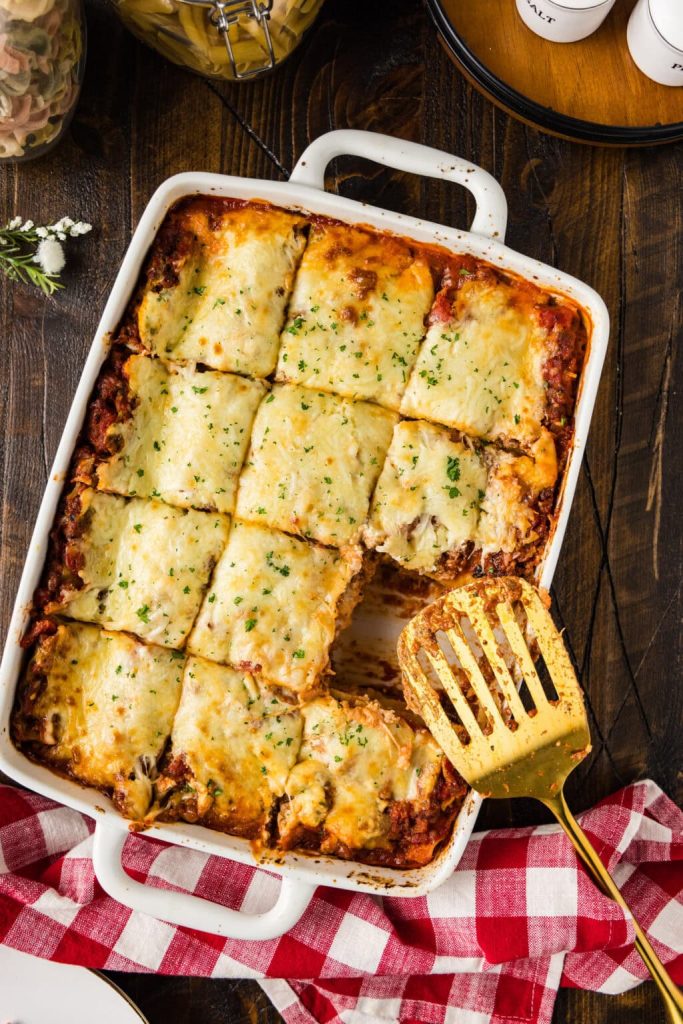
2. Tips for Perfect Homemade Lasagna
Great lasagna starts with a thick meat sauce. Simmering the sauce long enough allows excess liquid to evaporate, preventing watery layers after baking.
Brown the meat thoroughly before adding the tomatoes. Proper browning develops deeper flavor that carries throughout the finished dish.
Avoid overcooking traditional noodles. Cooking them just to al dente keeps them from becoming too soft after baking in the oven.
Spread every layer evenly from corner to corner. Uniform layers help the lasagna bake consistently and make cleaner slices.
Completely cover the top noodles with sauce. Any exposed pasta can dry out or become crispy during baking.
Freshly grate your mozzarella and Parmesan if possible. Freshly grated cheese melts more smoothly than pre-shredded varieties.
Allow the lasagna to rest before serving. Even 15 to 20 minutes makes a noticeable difference in texture and helps each slice hold together.
For even richer flavor, prepare the meat sauce a day ahead. Refrigerating it overnight gives the herbs and seasonings more time to blend.
3. Frequently Asked Questions
Can I prepare lasagna ahead of time?
Yes. Assemble the lasagna up to one day in advance, cover it tightly, and refrigerate. Let it sit at room temperature for about 30 minutes before baking.
Can I freeze homemade lasagna?
Absolutely. You can freeze the entire unbaked casserole or individual cooked portions. Wrap tightly in plastic wrap and foil, then freeze for up to three months.
Why does my lasagna fall apart after baking?
Lasagna usually falls apart if it is sliced immediately after coming out of the oven. Giving it enough resting time allows the layers to set and makes serving much easier.
Can I substitute cottage cheese for ricotta?
Yes. Cottage cheese is a common substitute and creates a slightly lighter texture. Draining excess moisture before using it will help maintain the proper consistency.
What side dishes pair well with lasagna?
A simple green salad, garlic bread, roasted vegetables, sautéed spinach, or Caesar salad all complement lasagna beautifully without overpowering the main dish.
4. Nutrition Information
| Nutrient | Amount Per Serving |
|---|---|
| Calories | 430 |
| Protein | 27 g |
| Carbohydrates | 24 g |
| Fat | 24 g |
| Saturated Fat | 11 g |
| Cholesterol | 85 mg |
| Sodium | 890 mg |
| Fiber | 3 g |
| Sugar | 6 g |
| Calcium | 380 mg |
| Iron | 3 mg |
This authentic Italian lasagna recipe is a timeless comfort food that brings generous layers of hearty meat sauce, creamy cheese, and tender pasta to the table. It’s an excellent recipe for family gatherings, celebrations, or making ahead for busy weekdays.
Once you master this classic dish, you’ll have a dependable recipe you can return to again and again. Pair it with your favorite sides, share it with family and friends, and enjoy a homemade meal that never goes out of style.