Authentic Chinese chicken chow mein is a delicious stir-fried noodle dish made with tender chicken, fresh vegetables, and flavorful noodles tossed in a savory sauce. It brings together a satisfying mix of textures, from soft noodles and juicy chicken to crisp cabbage and carrots. The sauce has a balanced combination of savory, slightly sweet, and aromatic flavors that make every bite delicious.
This homemade version is easy to prepare with ingredients you can find at many grocery stores or Asian markets. Shaoxing wine, oyster sauce, soy sauce, garlic, and ginger give the dish its familiar Chinese-inspired flavor. Everything cooks quickly in one pan, making chicken chow mein a great option for a weeknight dinner when you want something homemade and satisfying.
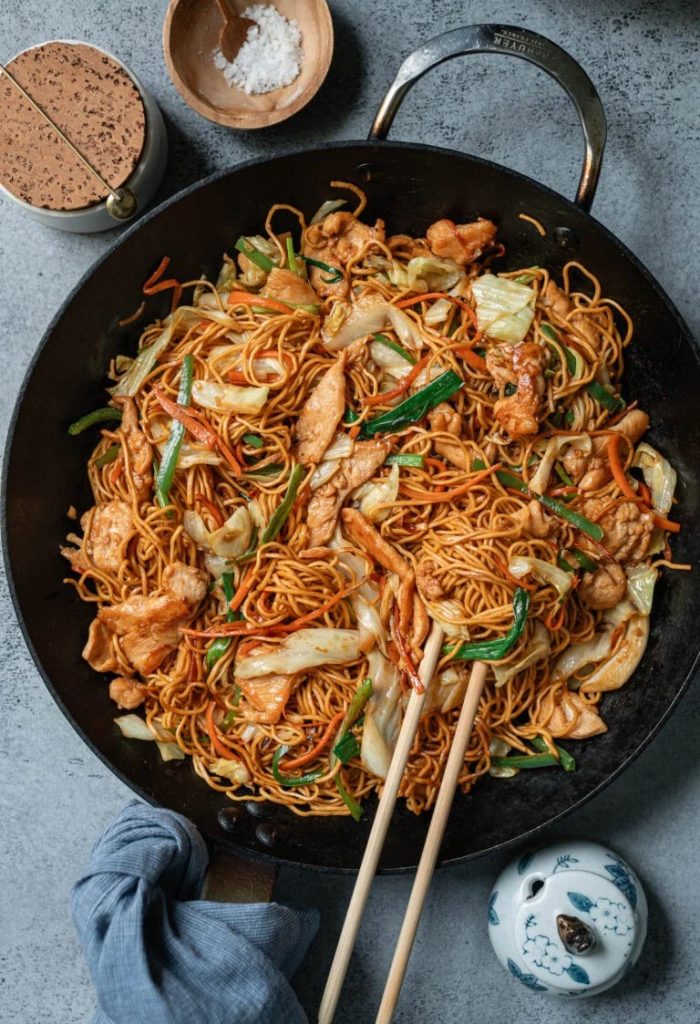
1. Authentic Chinese Chicken Chow Mein Recipe
Yield: 4 servings
Ingredients
Marinating
- 6 oz boneless chicken breast or thighs, thinly sliced
- 1 tablespoon Shaoxing wine (or dry sherry)
- 2 teaspoons cornstarch
- 1/4 teaspoon salt
Sauce
- 1/4 cup chicken broth
- 2 tablespoons Shaoxing wine (or dry sherry)
- 2 tablespoons oyster sauce
- 1 tablespoon soy sauce
- 2 teaspoons sugar
- 1/4 teaspoon white pepper (or ground black pepper)
- 1 teaspoon sesame oil
Stir Fry
- 2 tablespoons peanut oil (or vegetable oil)
- 4 cups shredded cabbage
- 2 cloves garlic, finely chopped
- 1 tablespoon ginger, minced
- 10 oz fresh chow mein noodles, or 6 oz (170 g) dried chow mein noodles
- 2 small carrots, julienned (yields 1 cup)
- 1 Anaheim pepper or other hot pepper of your choice, sliced (optional)
- 4 green onions, cut into 2-inch (5 cm) pieces, white part halved lengthwise
Instructions
Step 1: Marinate the chicken.
Place the thinly sliced chicken in a medium bowl. Add the Shaoxing wine, cornstarch, and salt, then mix until every piece is evenly coated. Let the chicken marinate for about 15–20 minutes while you prepare the remaining ingredients. This helps season the chicken and keeps it tender during stir-frying.
Step 2: Prepare the sauce.
In a small bowl, combine the chicken broth, Shaoxing wine, oyster sauce, soy sauce, sugar, white pepper, and sesame oil. Whisk until the sugar dissolves and the ingredients are well blended. Set the sauce near your cooking area so it’s ready to add when needed.
Step 3: Prepare the noodles.
If you’re using dried chow mein noodles, cook them according to the package directions until just tender. Drain well and rinse briefly with cool water to stop the cooking, then toss with a little oil to prevent sticking. If using fresh chow mein noodles, follow the package instructions; some varieties need a quick boil or rinse before stir-frying, while others can go straight into the pan.
Step 4: Cook the chicken.
Heat 1 tablespoon of peanut oil in a large wok or skillet over medium-high heat. Add the marinated chicken in a single layer and stir-fry for about 3–4 minutes, turning the pieces as they cook. Once the chicken is cooked through and lightly browned, transfer it to a plate and set aside.
Step 5: Stir-fry the aromatics and vegetables.
Add the remaining tablespoon of oil to the same wok. Stir in the garlic and ginger and cook for about 15–20 seconds until fragrant, taking care not to let them burn. Add the cabbage, carrots, optional pepper, and white parts of the green onions. Stir-fry for 2–3 minutes until the vegetables are slightly softened but still have some crunch.
Step 6: Add the noodles.
Add the prepared chow mein noodles to the wok. Use tongs or two spatulas to toss them with the vegetables, separating any noodles that have stuck together. Stir-fry for about 1–2 minutes so the noodles heat through and begin to pick up the flavor from the vegetables and aromatics.
Step 7: Add the sauce and chicken.
Pour the prepared sauce evenly over the noodles and toss until everything is coated. Return the cooked chicken to the wok and continue stir-frying for another 1–2 minutes, allowing the sauce to coat the noodles and lightly thicken. Make sure the chicken is heated through and the vegetables are cooked to your preferred texture.
Step 8: Finish and serve.
Add the green parts of the green onions and toss everything together for a few seconds. Taste and adjust the seasoning if needed. Remove the wok from the heat and serve the chicken chow mein immediately while the noodles are hot.
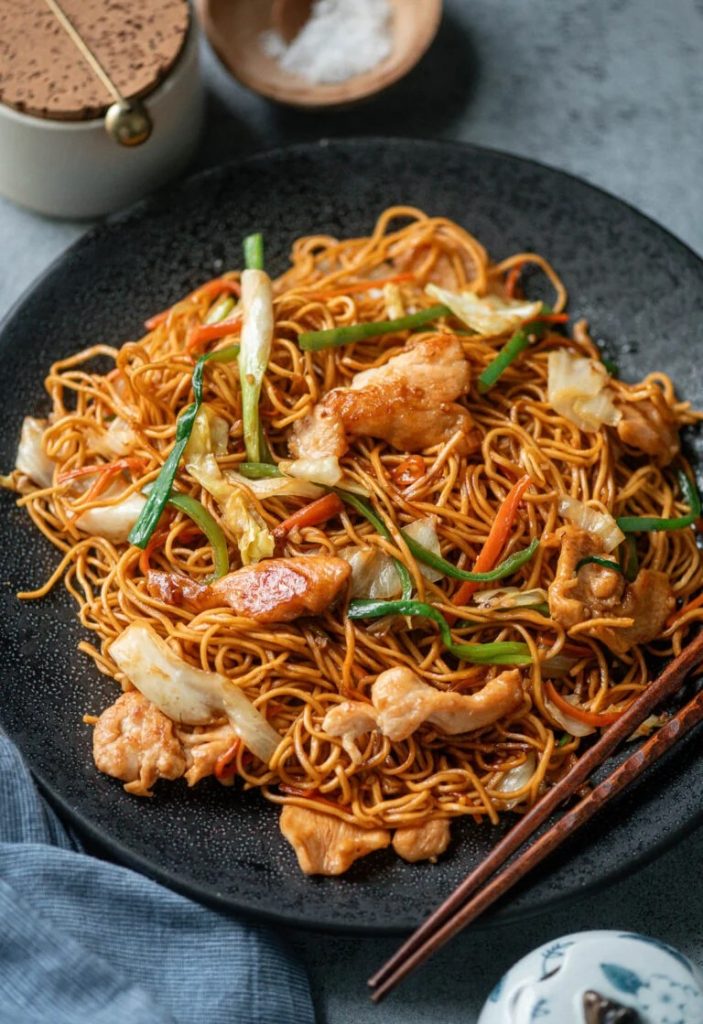
2. Tips for Perfect Authentic Chinese Chicken Chow Mein
Prepare everything before cooking. Stir-frying happens quickly, so it’s helpful to slice the chicken, chop the vegetables, mix the sauce, and prepare the noodles before turning on the stove. This keeps the cooking process organized and helps prevent ingredients from overcooking.
Slice the chicken thinly and evenly. Thin slices cook quickly and distribute more evenly throughout the noodles. Cutting the chicken against the grain can also make each bite more tender.
Use a large wok or skillet. A wide cooking surface gives the noodles and vegetables enough room to stir-fry instead of steaming. If your pan is small, cook the ingredients in batches to avoid overcrowding.
Don’t overcook the vegetables. Cabbage and carrots taste best when they retain a little crunch. Keep the heat relatively high and stir-fry them just until slightly softened.
Drain the noodles well. Excess water can dilute the sauce and make the finished dish soggy. After cooking, drain the noodles thoroughly before adding them to the wok.
Adjust the sauce to your taste. If you prefer a stronger savory flavor, add a little extra soy sauce or oyster sauce. For a milder taste, use a little more chicken broth. Add small amounts at a time so the sauce doesn’t overpower the other ingredients.
Cook over high heat when possible. A hot wok helps the ingredients cook quickly and gives the noodles a lightly toasted flavor. Keep the ingredients moving so they cook evenly without burning.
3. Frequently Asked Questions
What is the difference between chow mein and lo mein?
Both dishes use Chinese wheat noodles, but the cooking methods are different. Chow mein generally involves stir-frying the noodles with meat, vegetables, and sauce, while lo mein noodles are typically boiled and then tossed with the other ingredients and sauce.
Can I make chicken chow mein without a wok?
Yes. A large, heavy skillet works well if you don’t have a wok. Choose one with plenty of surface area so the noodles and vegetables can cook evenly. You may need to work in smaller batches to avoid overcrowding.
What does Shaoxing wine add to chow mein?
Shaoxing wine is a Chinese cooking wine that adds depth and a subtle aromatic quality to savory dishes. It helps balance the flavors in the sauce and complements the chicken and vegetables. Dry sherry is a convenient substitute if you can’t find it.
Is chicken chow mein spicy?
Traditional chicken chow mein doesn’t have to be spicy. The optional Anaheim pepper in this recipe adds some heat, but you can leave it out for a milder dish. You can also use a hotter pepper if you enjoy more spice.
Can I use another protein instead of chicken?
Yes. Thinly sliced beef, pork, shrimp, or tofu can work well in this recipe. Adjust the cooking time according to the protein you choose, making sure it is fully cooked before combining it with the noodles and vegetables.
4. Nutrition Information
The following nutrition information is an estimate per serving, based on 4 servings. Actual values may vary depending on the noodles, chicken, sauces, and brands used.
| Nutrient | Amount per serving |
|---|---|
| Calories | 430 kcal |
| Carbohydrates | 57 g |
| Protein | 25 g |
| Fat | 12 g |
| Saturated Fat | 2 g |
| Cholesterol | 35 mg |
| Sodium | 1,150 mg |
| Fiber | 5 g |
| Sugar | 8 g |
Authentic Chinese chicken chow mein is a satisfying homemade meal that brings noodles, chicken, and fresh vegetables together in one flavorful dish. The savory sauce ties everything together, while the cabbage, carrots, and green onions add freshness and texture. It’s a great recipe to make when you’re craving takeout-style noodles without leaving home.
You can also adapt the vegetables and protein to suit your preferences or use up ingredients you already have in the refrigerator. Serve it hot for lunch or dinner, and keep this recipe handy for the next time you want a quick, delicious noodle meal.