A good seasoning can completely change the way chicken tastes. I’ve learned that when you have the right balance of spices, even the simplest cut of chicken can turn into a flavorful, satisfying meal. This homemade seasoning chicken recipe is one of my favorites because it’s easy to make, uses common pantry spices, and works for almost any cooking method—baking, grilling, pan-frying, or air frying.
Instead of relying on store-bought blends with preservatives and mystery ingredients, making your own seasoning gives you full control over flavor, salt level, and heat. In this article, I’ll walk you through a detailed recipe, helpful tips, common questions, and nutrition information so you can confidently make and use this seasoning at home.
1. Seasoning Chicken Recipe ( Yield: 5 tbsp )
Ingredients
4 tsp sweet paprika
4 tsp dried oregano
2 tsp garlic powder
2 tsp onion powder
2 tsp salt
1 tsp black pepper
Optional add-ins
1/4–1/2 tsp sugar
Cayenne pepper or chili powder, to taste
Instructions
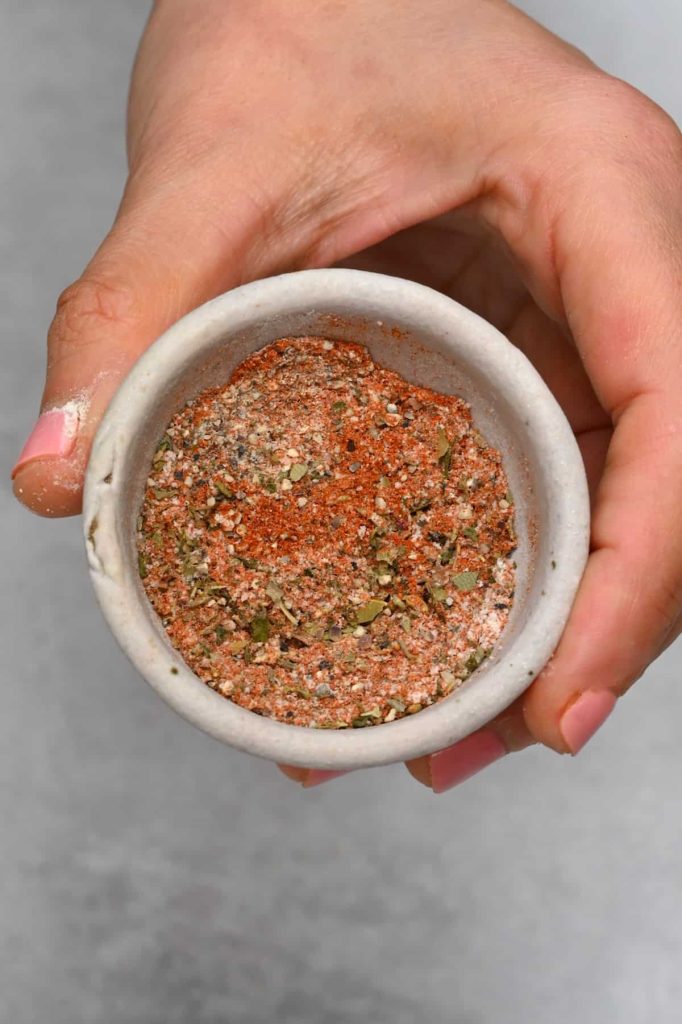
Start by gathering all your spices and measuring spoons. Accuracy matters when making seasoning blends because small changes can shift the flavor balance. Measure the sweet paprika first and add it to a small bowl. Paprika gives the seasoning its warm color and mild sweetness, which helps chicken look appetizing after cooking.
Next, add the dried oregano. This herb brings an earthy, slightly bitter note that balances the sweetness of the paprika. After that, add the garlic powder and onion powder. These two ingredients form the savory base of the seasoning and help create a well-rounded flavor without needing fresh aromatics.
Add the salt and black pepper to the bowl. Salt is essential for bringing out the natural flavor of chicken, while black pepper adds gentle heat and depth. If you like a slightly sweet finish, mix in a small amount of sugar. This is especially useful if you plan to grill or roast chicken, as sugar helps with caramelization.
For those who enjoy spicy food, add cayenne pepper or chili powder a little at a time. Start with a pinch, mix, and adjust based on your heat preference. Once all ingredients are in the bowl, stir thoroughly until the mixture is evenly combined and there are no clumps.
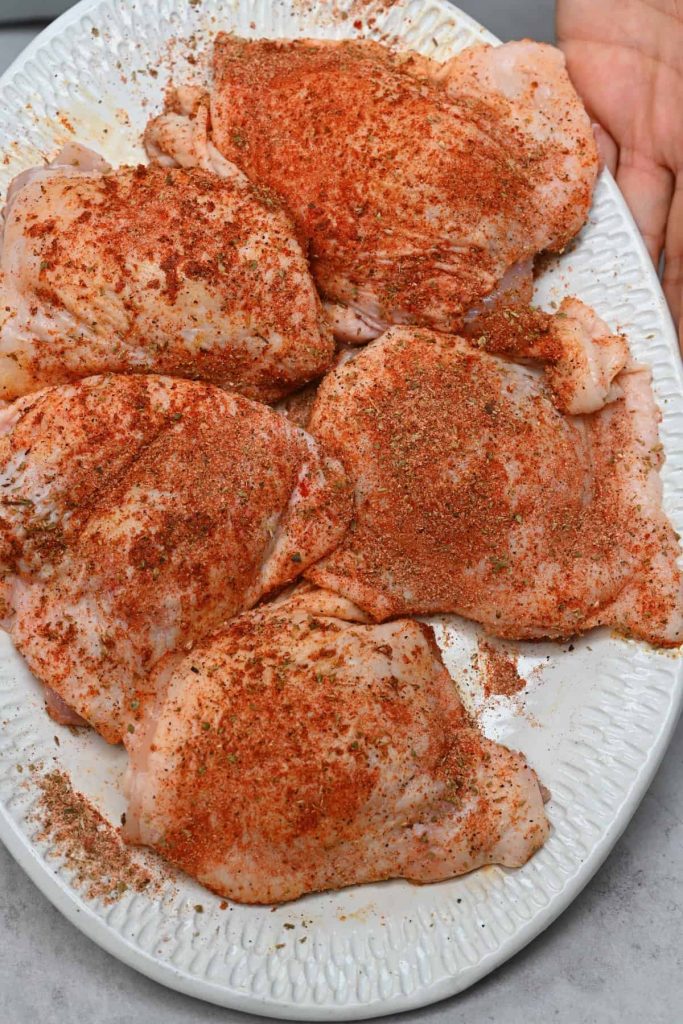
Transfer the seasoning to an airtight container or spice jar. Label it with the date, and store it in a cool, dry place. To use, sprinkle about 1 to 1½ teaspoons of seasoning per pound of chicken. Rub it evenly over the surface, and let the chicken rest for at least 15 minutes before cooking. For deeper flavor, marinate the seasoned chicken for up to 24 hours in the refrigerator.
2. Tips for Perfect Homemade Seasoning Chicken
One of the most important tips is to taste and adjust your seasoning blend before using it. While you shouldn’t eat it by the spoonful, rubbing a tiny pinch on a small piece of cooked chicken can help you understand if the balance is right.
Always pat your chicken dry before applying the seasoning. Removing excess moisture helps the spices stick better and creates a more flavorful crust during cooking. If you’re baking or roasting, lightly coating the chicken with olive oil before seasoning can also improve texture and flavor.
Letting the chicken rest after seasoning is another key step. Even a short resting time allows the salt and spices to penetrate the meat, resulting in better flavor throughout. If you have time, seasoning the chicken several hours in advance makes a noticeable difference.
Store your seasoning properly to maintain freshness. Heat, light, and moisture can dull the flavors of spices over time. Using an airtight container and keeping it away from the stove will help preserve its taste.
Finally, don’t be afraid to customize the blend. This recipe is a solid base, but you can add thyme, cumin, or smoked paprika to match different cuisines or personal preferences.
3. Frequently Asked Questions
Can I use this seasoning on meats other than chicken?
Yes, this seasoning works well on turkey, pork, and even vegetables. The flavors are balanced enough to complement many foods without overpowering them.
Is this seasoning suitable for grilling?
Absolutely. The paprika and optional sugar help create a nice color and slight caramelization when grilling. Just be careful with high heat if you add sugar, as it can burn quickly.
How much seasoning should I use per serving?
A general guideline is about 1 to 1½ teaspoons per pound of chicken. You can adjust based on how bold you like your flavors.
Can I make this seasoning salt-free?
Yes, you can leave out the salt and add it separately when cooking. This is a good option if you’re watching sodium intake or cooking for different dietary needs.
Does this seasoning need oil to work?
While it can be applied directly, using a small amount of oil helps the spices adhere better and improves browning during cooking.
4. Nutrition Information
Below is an approximate nutrition breakdown per 1 teaspoon of seasoning.
| Nutrient | Amount |
|---|---|
| Calories | 6 kcal |
| Protein | 0.3 g |
| Fat | 0.2 g |
| Carbohydrates | 1.2 g |
| Fiber | 0.6 g |
| Sugar | 0 g |
| Sodium | 160 mg |
Making your own seasoning chicken recipe at home is one of the easiest ways to improve everyday meals. With just a few simple spices, you can create a blend that’s flavorful, versatile, and free from unnecessary additives. I love how this seasoning works with almost any cooking method and can be adjusted to suit different tastes.
Once you try it, you’ll likely find yourself reaching for this homemade blend instead of store-bought options. It’s a small step that makes a big difference in how your chicken turns out.