Pasta is a pantry staple that’s quick to prepare and works with almost any type of sauce, protein, or vegetables. From comforting family dinners to refreshing pasta salads, perfectly cooked pasta is the foundation of countless delicious meals.
The key to great pasta is using the right technique. This simple guide will show you how to cook pasta until it’s perfectly al dente, giving you the ideal texture for your favorite recipes.
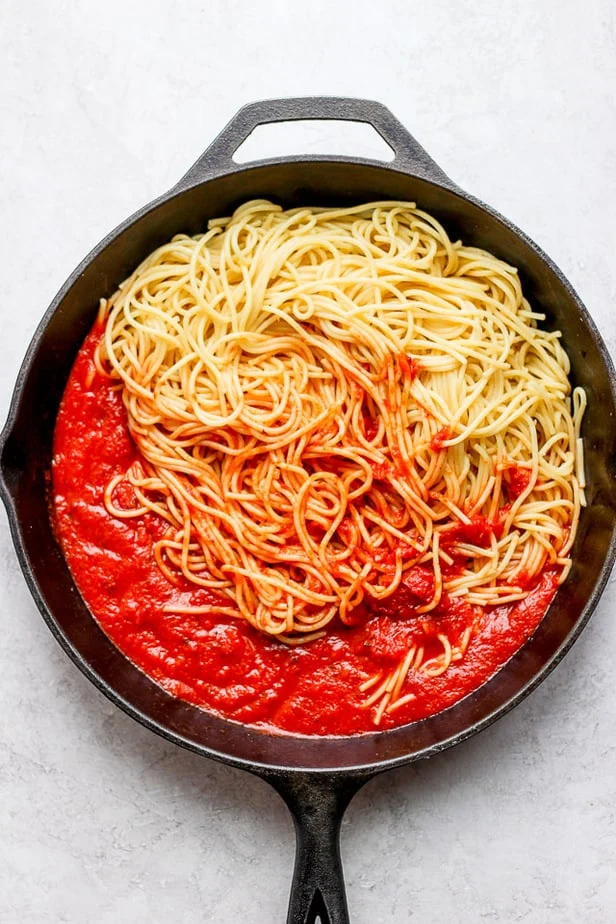
1. How to Cook Dried Pasta (Yield: 8 Servings)
Ingredients
- 1 pound dried pasta
- 6 quarts water
- 3 tablespoons salt
Instructions
Choose a large stockpot that comfortably holds at least 6 quarts of water. Using plenty of water gives the pasta enough room to move freely as it cooks, helping prevent the noodles from sticking together.
Pour the water into the pot and place it over high heat. Cover the pot with a lid to help the water come to a boil more quickly.
Once the water reaches a vigorous rolling boil, carefully add the salt. Stir briefly until the salt dissolves completely. Salting the water at this stage seasons the pasta from the inside as it cooks and enhances its natural flavor.
Add the dried pasta to the boiling water all at once. Immediately stir with a long spoon or pasta fork for about 30 seconds. This first stir is important because it separates the noodles before they begin releasing starch.
Keep the water at a steady boil throughout the cooking process. Avoid reducing the heat too much, as the pasta cooks most evenly in actively boiling water.
Stir the pasta every few minutes while it cooks. Regular stirring prevents the noodles from clumping together and ensures even cooking.
Begin checking the pasta about two minutes before the shortest cooking time listed on the package. Remove a piece and taste it carefully.
The pasta is ready when it is al dente, meaning it is fully cooked but still has a slight firmness when bitten. The center should no longer appear dry or chalky, but it should not be completely soft.
Once the pasta reaches your preferred texture, reserve about 1 cup of the starchy pasta cooking water before draining. This water is extremely useful for loosening sauces and helping them cling to the pasta.
Drain the pasta immediately in a colander. Shake gently to remove excess water.
If you’re serving the pasta with a hot sauce, transfer it directly into the sauce instead of rinsing it. Toss everything together over low heat for one to two minutes so the sauce coats every piece evenly. Add a small amount of the reserved pasta water if the sauce needs thinning.
If you’re making a cold pasta salad, rinse the pasta briefly under cold running water after draining. This stops the cooking process and cools the noodles quickly, making them ready for mixing with vegetables, dressings, and other ingredients.
Serve the pasta immediately with your favorite sauce, vegetables, herbs, cheese, or protein. Properly cooked pasta has the ideal texture to complement almost any recipe.

2. Tips for Perfect Cooking Dried Pasta at Home
Always use a large pot with plenty of water. Crowding pasta into a small pot causes the noodles to stick together and cook unevenly.
Wait until the water reaches a full rolling boil before adding the pasta. Adding pasta too early often results in gummy noodles.
Salt the cooking water generously. Properly seasoned water improves the flavor of the pasta itself without making it taste salty.
Do not add oil to the boiling water. Oil floats on top of the water and doesn’t prevent sticking. Instead, it can leave the pasta slippery, making sauces less likely to adhere.
Stir the pasta immediately after adding it to the pot and continue stirring occasionally during cooking.
Taste the pasta instead of relying only on the package cooking time. Different brands and pasta shapes may require slightly different cooking times.
Always reserve some pasta cooking water before draining. The starch in the water helps create smooth, glossy sauces that coat the noodles beautifully.
Finish cooking the pasta in the sauce whenever possible. This simple technique allows the noodles to absorb more flavor and creates a more cohesive finished dish.
3. Frequently Asked Questions
What does al dente mean?
Al dente is an Italian term meaning “to the tooth.” It describes pasta that is fully cooked but still has a slight firmness in the center, giving it the ideal texture for most pasta dishes.
Should I rinse pasta after cooking?
For hot pasta dishes, no. The starch left on the noodles helps sauces stick better. Rinse only when preparing pasta salad or when you need to stop the cooking process immediately.
How much pasta should I cook per person?
A good guideline is about 2 ounces of dried pasta per serving for a main course. One pound of dried pasta typically serves eight side portions or four generous main-course portions.
Can I cook different pasta shapes together?
It’s best to cook each shape separately because different sizes and thicknesses require different cooking times. Mixing them can result in some pieces becoming overcooked while others remain undercooked.
How do I reheat leftover pasta?
Reheat pasta gently in a skillet with a splash of water, broth, or reserved sauce over medium-low heat. Stir frequently until warmed through. This helps restore moisture and prevents the pasta from drying out.
4. Nutrition Information
| Nutrient | Amount Per Serving |
|---|---|
| Calories | 200 |
| Protein | 7 g |
| Total Fat | 1 g |
| Saturated Fat | 0 g |
| Carbohydrates | 42 g |
| Fiber | 2 g |
| Sugar | 1 g |
| Sodium | 1,020 mg* |
| Iron | 2 mg |
| Calcium | 10 mg |
*The sodium content will vary depending on how much of the salted cooking water is absorbed by the pasta.
Cooking dried pasta perfectly is a simple kitchen skill that can improve countless meals. By using plenty of boiling water, seasoning it generously with salt, and cooking the pasta until it’s perfectly al dente, you’ll create the ideal foundation for everything from classic Italian sauces to fresh pasta salads.
With these techniques and helpful tips, preparing delicious homemade pasta becomes easy and consistent. Once you master the basics, you’ll be able to confidently create a wide variety of pasta dishes that are full of flavor and perfectly cooked every time.