Couscous is one of the easiest side dishes you can prepare, making it a great option for busy weeknights and simple family meals. It cooks quickly, requires only a few ingredients, and pairs well with everything from grilled meats to roasted vegetables. With the right technique, you can achieve light, fluffy couscous every time.
Learning how to cook couscous is a useful kitchen skill that delivers consistent results with minimal effort. This simple recipe uses broth, olive oil, and optional fresh herbs to create a flavorful side dish that can be customized to suit almost any meal.
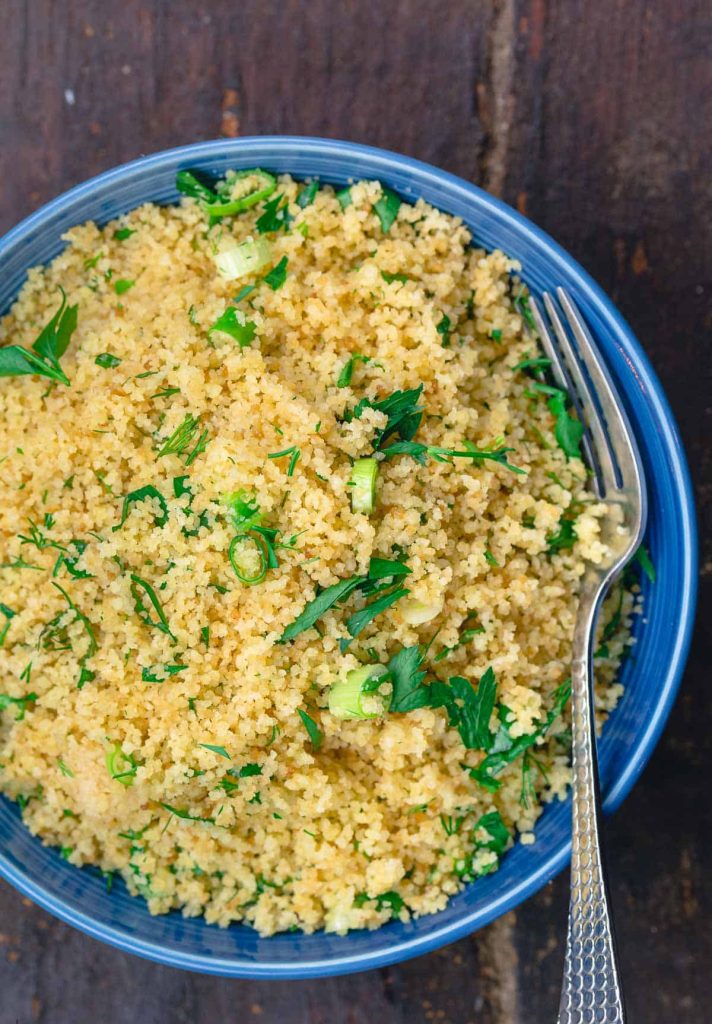
1. How To Cook Couscous (Yield: 4 Servings)
Ingredients
- 1 cup dry instant couscous
- 1 cup low-sodium broth or water
- Extra virgin olive oil
- Kosher salt
To Flavor (Optional)
- Pinch ground cumin or spice of your choice
- 1 to 2 garlic cloves, minced and sautéed in extra virgin olive oil
- 2 green onions, chopped
- Fresh herbs to your liking, such as parsley and dill
Instructions
Begin by measuring the couscous and setting it aside in a large heat-safe bowl. Using a bowl with extra space makes it easier to fluff the couscous after it absorbs the liquid.
Pour the broth or water into a small saucepan and place it over medium-high heat. Add a drizzle of extra virgin olive oil and a small pinch of kosher salt. Stir briefly and bring the liquid to a gentle boil.
Once the broth reaches a boil, immediately remove the saucepan from the heat. Carefully pour the hot liquid over the dry couscous in the bowl, making sure all of the couscous is submerged.
Stir the mixture once to evenly distribute the liquid. Cover the bowl tightly with a lid, plate, or sheet of aluminum foil. Let the couscous sit undisturbed for about 5 minutes. During this time, the tiny pasta granules will absorb the liquid and become tender.
While the couscous rests, prepare any optional flavor additions you would like to include. If using garlic, heat a small amount of olive oil in a skillet and sauté the minced garlic until fragrant, about 30 seconds to 1 minute. Remove from the heat and set aside.
After 5 minutes, uncover the couscous. You will notice that the liquid has been fully absorbed. Using a fork, gently fluff the couscous by lifting and separating the grains. Avoid stirring with a spoon, as this can compress the couscous and make it less light and fluffy.
If desired, add the sautéed garlic, chopped green onions, cumin, fresh herbs, or other seasonings. Toss gently with a fork until the ingredients are evenly distributed throughout the couscous.
Taste and adjust the seasoning as needed. Add a little more kosher salt, olive oil, or herbs to suit your preferences.
Allow the couscous to sit for another minute before serving. This gives the flavors time to blend while maintaining a light texture.
Serve warm alongside grilled chicken, fish, shrimp, lamb, roasted vegetables, or your favorite Mediterranean-inspired dishes.
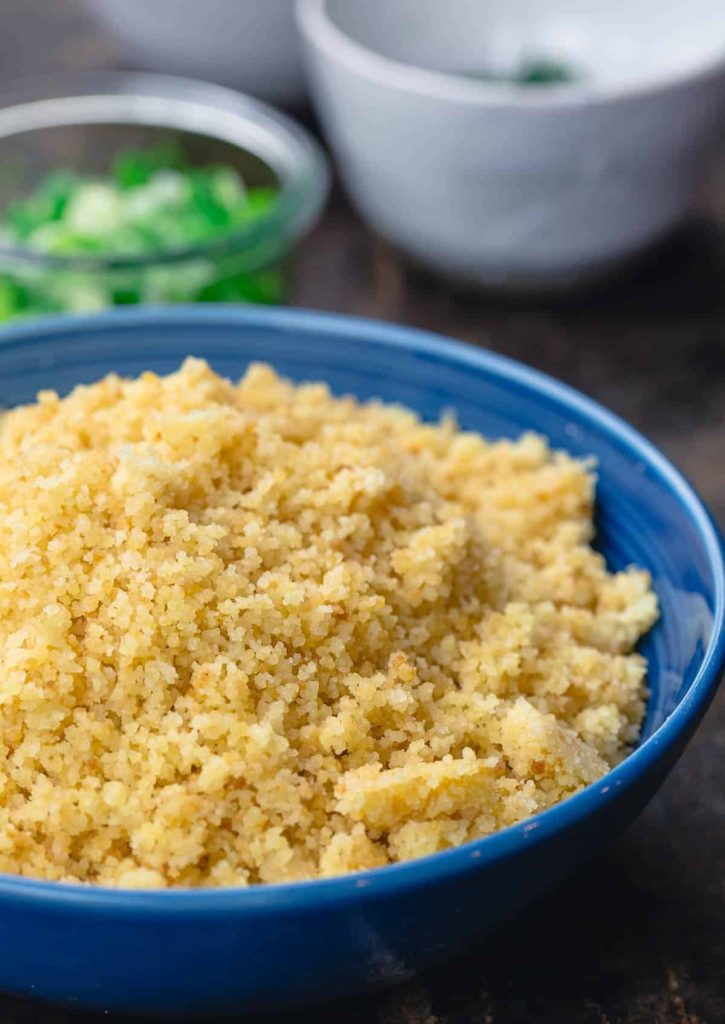
2. Tips for Perfect Perfect Fluffy Couscous
Use fresh couscous that has been stored properly. Older couscous can lose quality and may not produce the same light, fluffy texture.
Let the couscous rest for the full steaming time before uncovering it. Giving it enough time to absorb the liquid helps create evenly cooked grains.
Separate the grains gently with a fork instead of stirring aggressively. This simple step prevents clumping and keeps the couscous light.
For extra flavor, use a combination of fresh herbs, green onions, and warm spices. These additions can enhance the finished dish without overpowering it.
A small drizzle of extra virgin olive oil just before serving can improve both texture and flavor while helping keep the grains separate.
Couscous tastes best when served warm, but it can also be cooled and used in salads, grain bowls, and meal-prep recipes.
Store leftovers in an airtight container in the refrigerator and fluff again before serving to restore the texture.
3. Frequently Asked Questions
What is couscous made from?
Couscous is a small pasta traditionally made from semolina flour and water. Although often treated like a grain, it is actually a type of pasta.
Can I make couscous ahead of time?
Yes. Couscous can be prepared several days in advance and stored in an airtight container in the refrigerator until needed.
What dishes pair well with couscous?
Couscous pairs well with grilled meats, roasted vegetables, seafood, stews, Mediterranean dishes, and salads.
Can I serve couscous cold?
Absolutely. Cooked couscous works very well in chilled salads and can be combined with vegetables, herbs, and simple dressings.
Is couscous healthy?
Couscous can be part of a balanced diet and provides carbohydrates, protein, and several important nutrients. Whole wheat couscous offers additional fiber compared to traditional varieties.
4. Nutrition Information
| Nutrient | Amount Per Serving |
|---|---|
| Calories | 165 |
| Protein | 6g |
| Carbohydrates | 34g |
| Fat | 1.5g |
| Saturated Fat | 0.2g |
| Cholesterol | 0mg |
| Sodium | 180mg |
| Fiber | 2g |
| Sugar | 0g |
| Potassium | 55mg |
| Iron | 0.8mg |
Nutrition values are estimates and may vary depending on the broth, olive oil, and optional ingredients used.
Knowing how to cook couscous is a simple way to add a versatile and satisfying side dish to your meal rotation. With just a few basic ingredients and a quick cooking process, you can create light and fluffy couscous that complements a wide variety of dishes.
This easy recipe is perfect for both beginners and experienced home cooks looking for a reliable side dish. Once you master the basic technique, you can customize couscous with different herbs, spices, and vegetables to create endless variations for any occasion.