Cooking shrimp straight from the freezer is one of the easiest ways to get a fast, protein-rich meal on the table. Frozen shrimp are widely available, affordable, and often frozen at peak freshness, making them a reliable ingredient for busy home cooks.
This guide walks you through three reliable methods for cooking frozen shrimp: in the air fryer, on the stovetop, and in the oven. For stovetop cooking, you’ll use a simple poaching-and-sautéing technique that helps the shrimp cook evenly while developing great flavor.
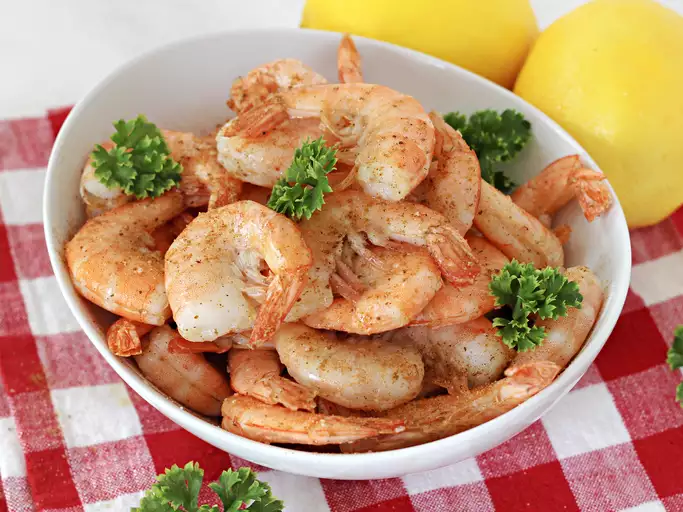
1. How To Cook Frozen Shrimp in Air Fryer ( Yield: 4 Serving )
Ingredients
- 1 pound frozen raw shrimp, peeled and deveined
- 4 tablespoons unsalted butter, melted
- ½ teaspoon seafood seasoning (such as Old Bay®)
- ⅛ teaspoon cayenne pepper
- 1 teaspoon chopped fresh parsley (Optional)
- 4 wedges fresh lemon (Optional)
Instructions
Start by preheating your air fryer to 400°F (200°C) for about 3–5 minutes. Preheating helps the shrimp cook evenly and prevents them from becoming rubbery.
While the air fryer heats, place the frozen shrimp in a large mixing bowl. There is no need to thaw them first. Drizzle the melted butter over the shrimp, tossing gently so each piece is coated. Sprinkle the seafood seasoning and cayenne pepper evenly over the shrimp and toss again to distribute the spices.
Arrange the shrimp in a single layer in the air fryer basket. Avoid overcrowding, as this can cause uneven cooking. If needed, cook the shrimp in two batches.
Cook the shrimp for 8–10 minutes, shaking the basket halfway through. The shrimp are done when they turn pink and opaque and reach an internal temperature of 145°F (63°C).
Once cooked, transfer the shrimp to a serving dish. Garnish with chopped fresh parsley and serve with lemon wedges if desired. These shrimp are excellent on their own or paired with rice, pasta, or roasted vegetables.
2. How To Cook Frozen Shrimp on Stove
2.1. How to Poach Frozen Shrimp ( Yield: 2 Serving )
Ingredients
- 12 frozen raw large shrimp (deveined and peeled)
- 1/2 tsp. salt
- 1/2 of a lemon (optional)
- 8–10 peppercorns (optional)
- a handful of fresh parsley (optional)
Instructions
Fill a medium saucepan with enough water to fully submerge the shrimp. Add the salt to the water. If using optional ingredients, squeeze the lemon half into the pot, then drop in the lemon itself, peppercorns, and parsley to gently flavor the shrimp.
Place the saucepan over medium-high heat and bring the water to a gentle boil. Once boiling, reduce the heat slightly so the water is just simmering.
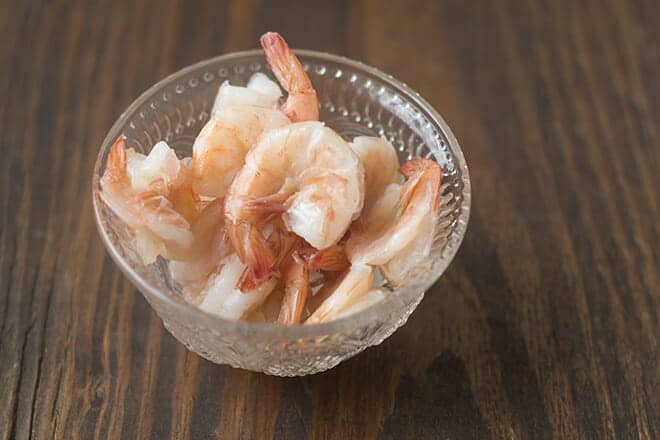
Add the frozen shrimp directly to the simmering water. Stir gently to ensure they do not stick together. Cook for 3–5 minutes, depending on the size of the shrimp. They are done when they curl slightly and turn pink and opaque.
Immediately remove the shrimp from the pot using a slotted spoon and transfer them to a bowl of ice water for 1–2 minutes to stop the cooking process. Drain well before serving.
Poached shrimp are perfect served chilled with cocktail sauce, tossed into salads, or used in wraps and sandwiches.
2.2. How to Sautee Frozen Shrimp ( Yield: 4 Serving )
Ingredients
- 1 pound frozen raw large shrimp, peeled and deveined
- 2 tablespoons butter or olive oil
- 2 cloves garlic, minced (optional)
- Salt and pepper (or your favorite seasoning)
Instructions
Place 1 pound frozen raw large shrimp in a colander in the sink and run cold water over them for about 5 minutes. Toss the shrimp occasionally to make sure they are all exposed to the cold water.
In a large skillet, heat the butter or olive oil over medium-high heat.
Add the frozen shrimp to the skillet in a single layer. If using garlic, add it now and sauté for 30 seconds.
Season the shrimp with salt, pepper, or your preferred seasoning.
Cook the shrimp for 2-3 minutes per side, or until they turn opaque and are cooked through.
Remove the shrimp from the skillet and serve hot with your favorite sides or over a bed of pasta or rice.
3. How To Cook Frozen Shrimp in Oven ( Yield: 6 Serving )
Ingredients
- 1 1/2 pounds extra-large frozen shrimp (cleaned and peeled)
- 3/4 teaspoon kosher salt
- 1/2 teaspoon garlic powder
- 1/2 teaspoon paprika
- 1/4 teaspoon freshly ground black pepper
- 1/4 teaspoon onion powder
- 1/4 teaspoon dried thyme
- 1/4 teaspoon dried oregano
- 1/4 teaspoon cayenne pepper
Instructions
Preheat your oven to 425°F (220°C). Line a large baking sheet with parchment paper or lightly grease it to prevent sticking.
In a small bowl, mix together the kosher salt, garlic powder, paprika, black pepper, onion powder, thyme, oregano, and cayenne pepper until well combined.
Place the frozen shrimp on the prepared baking sheet in a single layer. Sprinkle the seasoning mixture evenly over the shrimp. Toss lightly with your hands or a spatula so the shrimp are evenly coated.
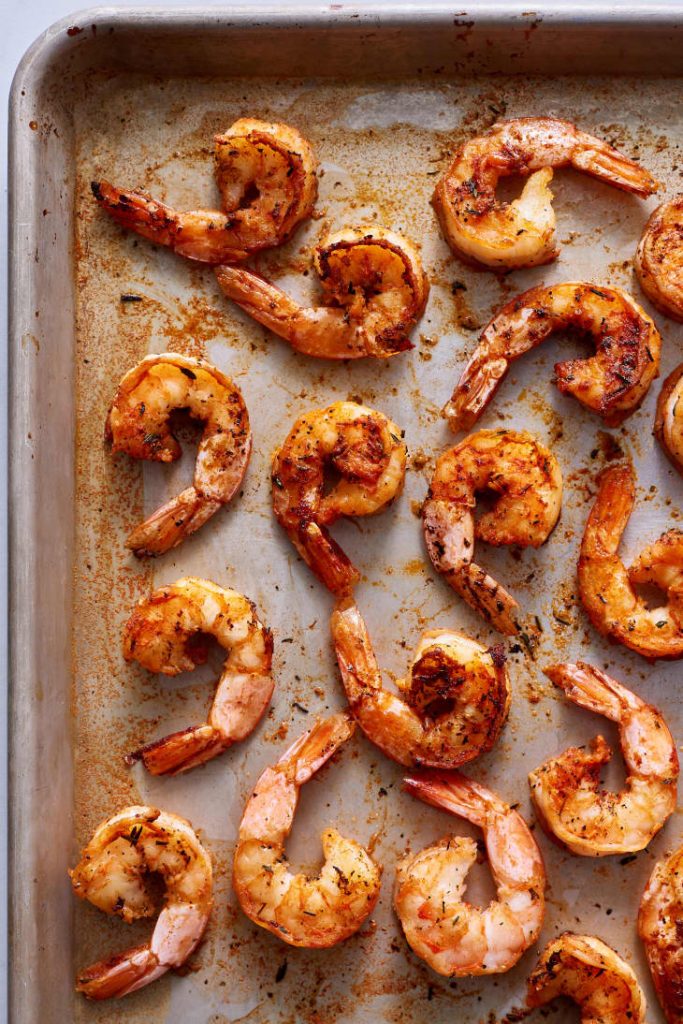
Bake the shrimp for 12–15 minutes, flipping them once halfway through. The shrimp are ready when they are pink, opaque, and slightly curled.
Remove from the oven and let rest for a minute before serving. Oven-baked shrimp pair well with roasted vegetables, pasta, or fresh salads.
4. Frequently Asked Questions
Can I cook frozen shrimp without thawing it first?
Yes. Frozen shrimp can be cooked directly from frozen using methods such as poaching, sautéing, baking, or air frying. You may need to add a few extra minutes to the cooking time compared to thawed shrimp.
How do I know when shrimp is fully cooked?
Shrimp is cooked when it turns pink and opaque and forms a loose “C” shape. Overcooked shrimp often curls into a tight “O” shape and can become rubbery.
Is it better to thaw frozen shrimp before cooking?
Thawing can help shrimp cook more evenly, especially for recipes that require quick cooking methods like sautéing. However, many recipes work perfectly well with frozen shrimp, making it a convenient option for busy days.
What if your frozen shrimp is already cooked?
If your frozen shrimp is fully cooked, you only need to heat it through rather than cook it again. Warm it gently in a skillet, oven, air fryer, or by adding it to hot dishes for just a few minutes. Avoid prolonged cooking, as it can make the shrimp tough and chewy.
How should I store leftover cooked shrimp?
Allow the shrimp to cool completely, then store it in an airtight container in the refrigerator for up to 3 days. Reheat gently before serving, or enjoy it cold in salads, wraps, or seafood bowls.
Cooking frozen shrimp is quick, convenient, and easier than many people think. With the right cooking method and a careful eye on doneness, you can enjoy perfectly cooked shrimp anytime without the need for advance planning.
Now that you know how to cook frozen shrimp, you can confidently add it to pasta dishes, salads, tacos, rice bowls, and countless other meals. Keep a bag in your freezer, and you’ll always have a versatile protein ready for a fast and delicious dinner.