Avocados are delicious, nutritious, and incredibly versatile, but they can also be frustrating to store. One day they’re perfectly ripe, and the next they may be too soft to enjoy. If you’ve ever found yourself with more ripe avocados than you can use, freezing them is an excellent solution.
Freezing avocados helps reduce food waste, saves money, and ensures you always have avocados ready for smoothies, guacamole, and meal prep. The key is using the right freezing method to minimize browning and preserve quality.
In this guide, you’ll learn four easy ways to freeze avocados correctly and discover which method works best for your needs.
1. Why Freeze Avocados?
Avocados have a very short window of peak ripeness. If they aren’t used quickly, they can become overripe and end up in the trash. Freezing allows you to preserve them while they’re still fresh and flavorful.
Another advantage is convenience. Having frozen avocados available means you can easily add them to recipes without making a special trip to the grocery store. Whether you’re preparing smoothies, spreads, or meal-prep ingredients, frozen avocados can be a real time-saver.
2. How to Freeze Avocados Correctly
2.1. Freeze Avocado Halves
Freezing avocado halves is one of the easiest methods because it requires very little preparation and works well when you want to preserve larger portions.
Step 1: Cut the Avocado in Half
Use a sharp knife to cut the avocado lengthwise around the pit. Twist the two halves apart and carefully remove the pit.
Choose ripe avocados that feel slightly soft when gently squeezed. Overripe avocados may become too mushy after freezing.
Step 2: Brush with Lemon or Lime Juice
Lightly brush the exposed avocado flesh with fresh lemon or lime juice. The citrus juice helps slow oxidation, which can reduce browning and help maintain the avocado’s color during storage.
Step 3: Wrap Each Half Tightly
Wrap each avocado half tightly in plastic wrap. Try to eliminate as much air exposure as possible because oxygen is one of the main causes of discoloration.
Step 4: Place in a Freezer Bag
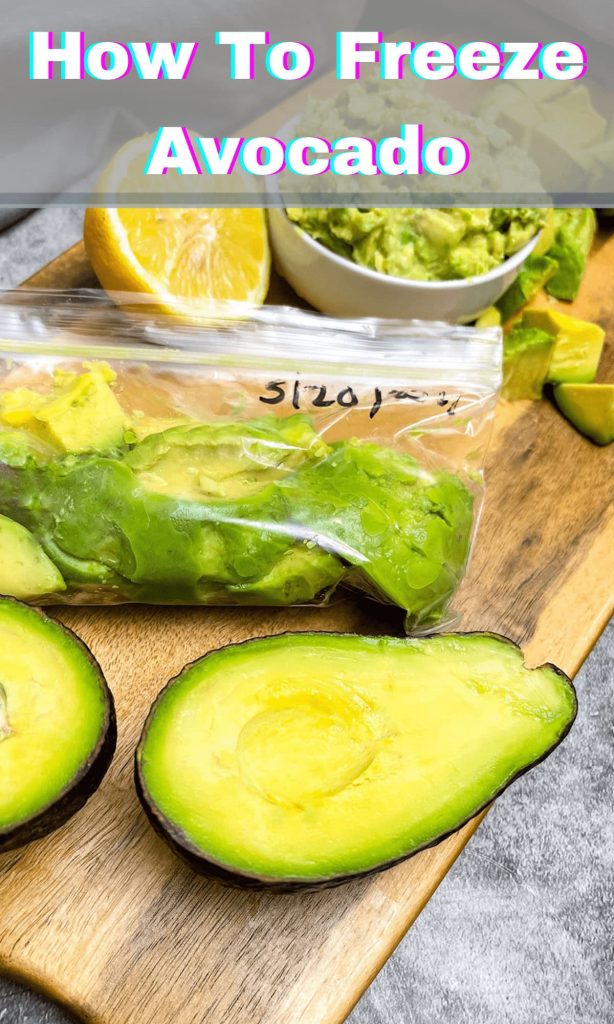
Transfer the wrapped avocado halves to a freezer-safe zip-top bag or airtight container.
Before sealing, press out as much air as possible to help protect the avocados from freezer burn.
Step 5: Freeze
Label the container with the date and place it in the freezer. For the best quality, use frozen avocado halves within 3 to 6 months.
Pros and Cons
This method is simple and requires minimal preparation. However, avocado halves take longer to thaw than smaller pieces and may become slightly softer after freezing.
2.2. Freeze Avocado Slices
Freezing avocado slices is ideal when you want convenient portions that are easy to remove and use as needed.
Step 1: Slice the Avocado
Peel the avocado and cut it into evenly sized slices. Keeping the slices similar in size helps them freeze more evenly and makes portioning easier later.
Step 2: Add Lemon or Lime Juice
Lightly coat the slices with lemon or lime juice. This step helps reduce oxidation and keeps the avocado looking fresher while frozen.
Step 3: Arrange on a Baking Sheet
Place the slices in a single layer on a parchment-lined baking sheet.
Make sure the slices are not touching each other to prevent them from freezing together.
Step 4: Flash Freeze
Place the baking sheet in the freezer for about 1 to 2 hours. Flash freezing allows each slice to freeze individually, making them much easier to store and use later.
Step 5: Transfer to a Storage Bag
Once frozen, transfer the avocado slices to a freezer-safe bag or airtight container. Remove as much air as possible before sealing and return them to the freezer.
Pros and Cons
Avocado slices are easy to portion and thaw relatively quickly. The extra flash-freezing step adds time, but it prevents the slices from sticking together.
2.3. Freeze Avocado Chunks
Avocado chunks are one of the most versatile freezing options and are especially popular for smoothies.
Step 1: Cut the Avocado into Chunks
Peel the avocado and cut it into bite-sized cubes or chunks. Smaller pieces freeze faster and are easier to measure when preparing recipes.
Step 2: Toss with Lemon or Lime Juice
Lightly toss the avocado chunks with lemon or lime juice. This helps slow browning and provides an extra layer of protection during long-term storage.
Step 3: Spread on a Baking Sheet
Arrange the chunks in a single layer on a parchment-lined baking sheet. Avoid overcrowding the pan so the pieces freeze separately.
Step 4: Flash Freeze
Freeze the avocado chunks for 1 to 2 hours or until completely firm. This step prevents the chunks from forming one large frozen mass inside the storage bag.
Step 5: Store Properly
Transfer the frozen chunks to an airtight freezer bag or container. Remove excess air, seal tightly, and place back in the freezer.
Pros and Cons
This method is perfect for smoothies because the chunks can be added directly to a blender. However, the texture may be too soft for recipes that require fresh avocado pieces.
2.4. Freeze Mashed Avocados
Mashed avocados freeze extremely well and are ideal for recipes that already call for mashed avocado.
Step 1: Mash the Avocados
Place ripe avocados in a bowl and mash them with a fork until smooth. You can leave the mixture slightly chunky if you prefer more texture.
Step 2: Add Lemon or Lime Juice
Mix in a small amount of lemon or lime juice. This helps preserve the avocado’s color and slows oxidation while frozen.
Step 3: Portion the Mixture
Divide the mashed avocado into freezer-safe containers or zip-top bags. Portioning before freezing makes it easier to thaw only what you need later.
Step 4: Remove Excess Air
Press out as much air as possible before sealing. If using freezer bags, flatten them to save freezer space and encourage quicker thawing.
Step 5: Freeze
Label the containers with the date and place them in the freezer. For the best quality, use frozen mashed avocado within 3 to 6 months.
Pros and Cons
Mashed avocado freezes very well and is convenient for guacamole, spreads, and dips. However, it cannot be used for recipes that require avocado slices or chunks.
3. Which Freezing Method Is Best?
Best for Smoothies
Avocado chunks are usually the best option for smoothies because they can be added directly to a blender without thawing. Their small size makes blending easier and helps create a creamy texture.
Best for Guacamole
Mashed avocados are the most convenient choice for guacamole. Because the avocados are already mashed, preparation time is significantly reduced.
Best for Meal Prep
Avocado slices work well for meal prep because they’re easy to portion and use in multiple recipes. You can remove only the amount you need without thawing an entire avocado.
Best Overall Method
For most people, avocado chunks provide the best balance of convenience, versatility, and storage efficiency. They freeze well, store easily, and work in a wide variety of recipes.
4. How Long Do Frozen Avocados Last?
Frozen avocados maintain their best quality for approximately 3 to 6 months when stored properly. Keeping them in airtight containers and minimizing air exposure helps preserve both flavor and color.
Although frozen avocados may remain safe to eat beyond six months, their texture and appearance can gradually decline. For the best results, try to use them within the recommended timeframe.
If you notice excessive ice crystals, freezer burn, or significant discoloration, it’s usually a sign that the avocados have passed their peak quality.
Final Thoughts
Freezing avocados is one of the easiest ways to reduce food waste and keep ripe avocados available whenever you need them. With the right preparation techniques, you can minimize browning and enjoy frozen avocados for months.
Whether you choose avocado halves, slices, chunks, or mashed avocado, each method offers unique advantages depending on how you plan to use them. By following these simple step-by-step instructions, you’ll always have avocados ready for your favorite recipes.