Blueberries are one of the easiest fruits to freeze, making them a great option for long-term storage. Whether you’ve picked fresh blueberries at a local farm or stocked up during a grocery store sale, freezing can help you enjoy their flavor and nutritional benefits long after blueberry season ends.
When frozen correctly, blueberries maintain much of their taste, texture, and nutritional value. They can be used in smoothies, muffins, pancakes, oatmeal, pies, and countless other recipes. The key is preparing and storing them properly to prevent freezer burn and clumping.
This guide will show you exactly how to freeze blueberries in freezer bags so they stay fresh and ready to use whenever you need them.
1. Why Freeze Blueberries?
Freezing blueberries is an excellent way to reduce food waste. Fresh blueberries typically last only one to two weeks in the refrigerator, but freezing extends their shelf life significantly.
Another benefit is convenience. Having frozen blueberries on hand means you can quickly add them to smoothies, yogurt bowls, baked goods, or breakfast recipes without making an extra trip to the store.
Freezing can also save money. Blueberries are often less expensive when they’re in season. Buying extra and freezing them allows you to enjoy lower prices year-round while always having fruit available for your favorite recipes.
2. How to Freeze Blueberries Properly in Freezer Bags
Step 1: Sort Through the Blueberries
Before freezing, carefully inspect the blueberries and remove any berries that are moldy, bruised, shriveled, or overly soft. Freezing will preserve the blueberries in their current condition, so starting with high-quality fruit is important.
Taking a few extra minutes to sort the berries helps improve the overall quality of your frozen batch. It also prevents damaged berries from affecting the texture and flavor of the healthy ones during storage.
Step 2: Wash the Blueberries
Place the blueberries in a colander and rinse them gently under cool running water. This removes dirt, dust, and any residue that may be present on the fruit.
Avoid soaking the blueberries for long periods because they can absorb excess moisture. A quick rinse is usually all that’s needed to clean them properly before freezing.
Step 3: Dry the Blueberries Completely
Spread the blueberries on a clean kitchen towel or several layers of paper towels. Allow them to air dry or gently pat them dry with additional towels.
This step is extremely important because excess moisture can create ice crystals during freezing. Dry blueberries are less likely to stick together and will maintain better quality in the freezer.
Step 4: Flash Freeze the Blueberries
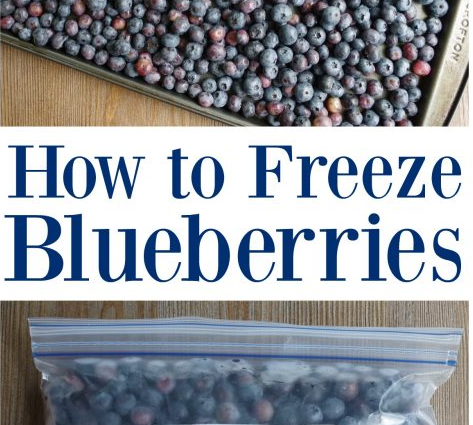
Arrange the blueberries in a single layer on a parchment-lined baking sheet. Try to keep the berries from touching each other too much.
Place the baking sheet in the freezer for 1 to 2 hours, or until the blueberries are completely frozen. This process, known as flash freezing, prevents the berries from clumping together in storage.
Step 5: Transfer to Freezer Bags
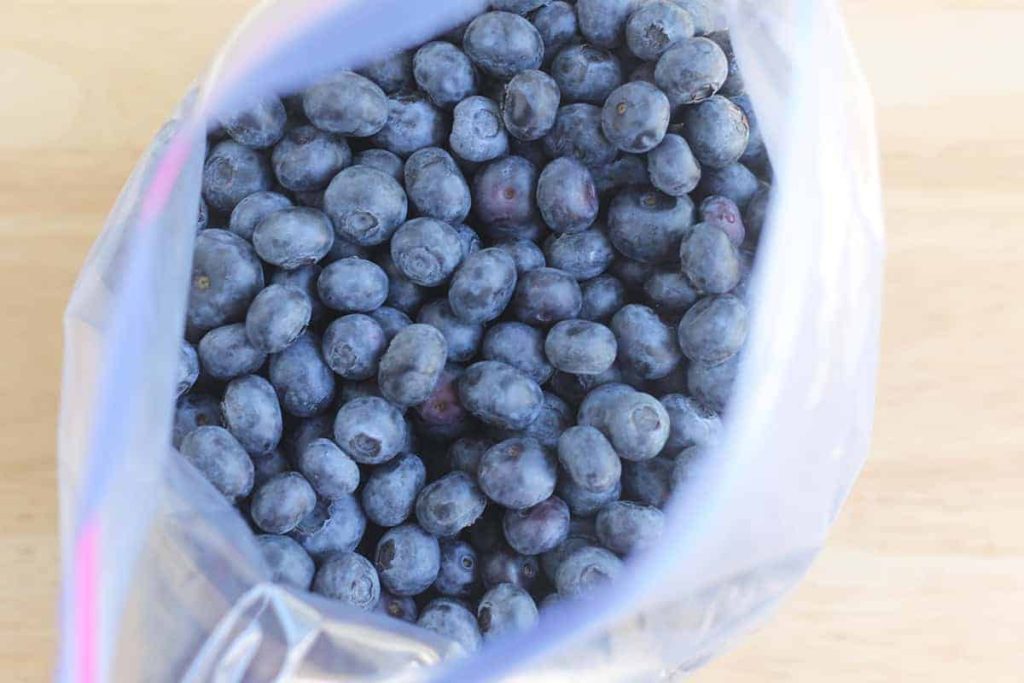
Once the blueberries are frozen solid, transfer them to freezer-safe zip-top bags. Fill the bags with the desired amount of blueberries while leaving a little room at the top for easier sealing.
Press out as much air as possible before sealing the bags. Removing excess air helps reduce freezer burn and preserves freshness for a longer period.
Step 6: Label and Store
Use a permanent marker to write the date on each freezer bag before placing it back in the freezer.
Keeping the bags labeled makes it easy to track storage time and ensures you use the oldest blueberries first.
3. Frequently Asked Questions
How Long Do Frozen Blueberries Last?
When stored properly in freezer bags, blueberries maintain their best quality for about 8 to 12 months.
Although they may remain safe to eat beyond this timeframe, their flavor, texture, and overall quality may gradually decline. For the best results, try to use frozen blueberries within one year.
How can you tell if frozen blueberries have gone bad?
Frozen blueberries may develop signs of freezer burn if they have been stored for too long or exposed to too much air. Common signs include excessive ice crystals, dry or shriveled berries, faded color, and a loss of flavor.
If the blueberries develop an unusual odor, strange taste, or show signs of spoilage after thawing, it’s best to discard them. Properly stored blueberries rarely spoil in the freezer, but their quality can decline over time.
Will thawed frozen blueberries be mushy?
Yes, thawed blueberries are usually softer than fresh blueberries. Freezing causes water inside the fruit to expand, which can break down some of the cell walls.
Because of this texture change, thawed blueberries are often best used in smoothies, baking recipes, sauces, oatmeal, and yogurt rather than eaten as fresh snacks. However, they still retain much of their flavor and nutritional value.
What are the best ways to use frozen blueberries?
Frozen blueberries are incredibly versatile and can be used directly from the freezer in many recipes. They’re especially popular in smoothies, muffins, pancakes, waffles, breads, and pies.
You can also add frozen blueberries to oatmeal, yogurt parfaits, smoothie bowls, and homemade sauces. In many baked goods, there’s no need to thaw the blueberries first, which makes them even more convenient to use.
Final Thoughts
Learning how to freeze blueberries properly in freezer bags is one of the easiest ways to preserve fresh fruit and reduce food waste. With just a little preparation, you can keep blueberries fresh and ready to use for months.
By sorting, washing, drying, flash freezing, and storing them correctly, you’ll enjoy better texture, flavor, and convenience whenever a recipe calls for blueberries. The next time you find yourself with extra blueberries, freeze them instead of letting them spoil and enjoy their delicious taste all year long.