If you’ve ever made edible cookie dough, no-bake desserts, or homemade baking mixes, you’ve probably come across the term “heat-treated flour.” While many people assume flour is safe to eat straight from the bag, raw flour can actually contain harmful bacteria that may cause foodborne illness.
Fortunately, heat treating flour at home is simple and only takes a few minutes. By heating flour to a safe temperature, you can reduce the risk of harmful bacteria while still using it in your favorite recipes. Whether you prefer using a microwave, oven, or stovetop, there are several easy methods that work well.
In this guide, you’ll learn exactly how to heat treat flour safely at home, which method is best, and how to avoid common mistakes along the way.
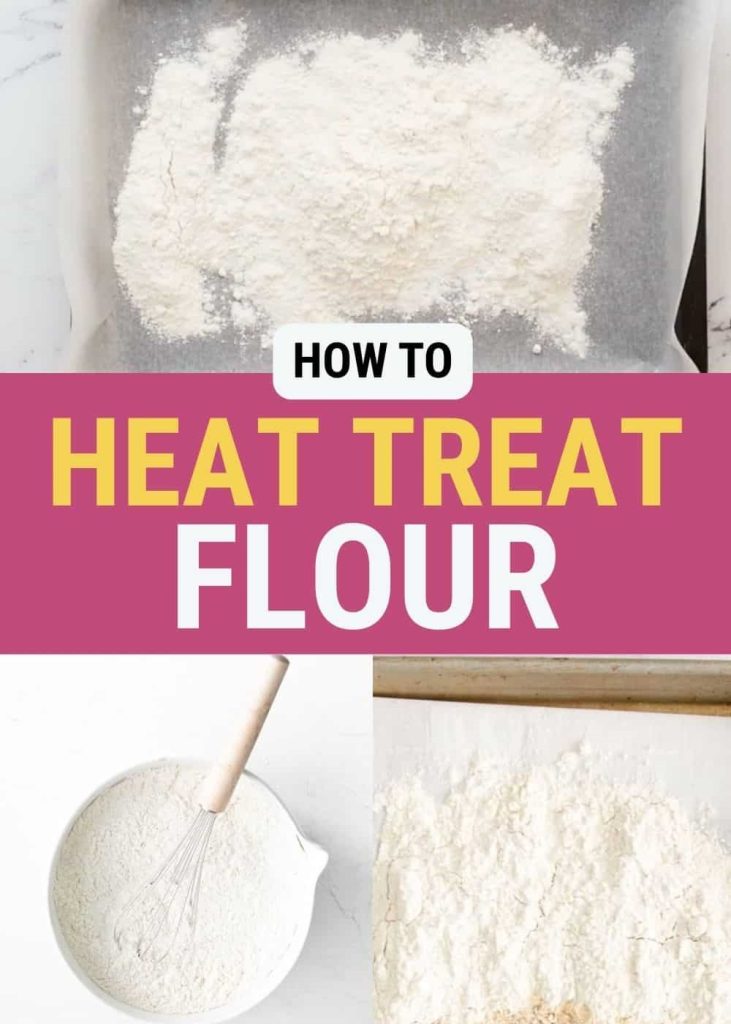
1. How to Heat Treat Flour in the Microwave
The microwave is one of the quickest methods for heat treating small batches of flour. It’s convenient, requires minimal equipment, and can be completed in just a few minutes.
What You’ll Need
You’ll need flour, a microwave-safe bowl, a spoon for stirring, and an instant-read thermometer. Having all your tools ready before you start will make the process much easier.
Step 1: Place the Flour in a Microwave-Safe Bowl
Pour the desired amount of flour into a microwave-safe bowl. Avoid overfilling the container because you’ll need room to stir the flour between heating intervals.
For best results, spread the flour into a relatively even layer. This helps promote more consistent heating and reduces the chance of cold spots.
Step 2: Heat in Short Intervals
Microwave the flour on high power for 20 to 30 seconds at a time. After each interval, stir thoroughly to help distribute heat evenly throughout the flour.
Continue heating and stirring until the flour approaches the target temperature. Depending on the quantity and your microwave’s power, this may take several rounds.
Step 3: Check the Temperature
Use an instant-read thermometer to measure the flour’s temperature in several locations. The goal is for all areas of the flour to reach at least 165°F (74°C).
If some areas remain below the target temperature, continue microwaving in short intervals and stirring between each round. Consistent stirring is essential for even heating.
Step 4: Let the Flour Cool Completely
Once the flour reaches the proper temperature, allow it to cool completely before using it in a recipe. Warm flour can affect the texture of cookie dough, cake batter, and other mixtures.
Spreading the flour onto a plate or baking sheet can help speed up the cooling process. Once cooled, it is ready to use just like regular flour.
Pros and Cons of the Microwave Method
The microwave method is fast, convenient, and ideal for small batches. It requires very little preparation and is often the quickest way to heat treat flour for a single recipe.
However, microwaves can heat unevenly, making it important to stir frequently and monitor the temperature carefully. Without proper stirring, some areas may not reach a safe temperature.
2. How to Heat Treat Flour in the Oven
The oven method is often considered the most reliable way to heat treat flour, especially when working with larger quantities. Because the heat surrounds the flour evenly, it’s easier to achieve a consistent temperature throughout the batch.
Many bakers prefer this method when preparing flour in advance for multiple recipes. Although it takes slightly longer than the microwave method, it generally requires less hands-on attention.
What You’ll Need
You’ll need flour, a baking sheet, parchment paper (optional), an oven, and an instant-read thermometer. A large baking sheet helps spread the flour into a thin, even layer.
Step 1: Preheat the Oven
Preheat your oven to 300°F (150°C). Starting with a fully heated oven helps ensure the flour reaches a safe temperature more consistently.
While the oven is preheating, prepare your baking sheet so you’re ready to begin as soon as the oven reaches the desired temperature.
Step 2: Spread Flour on a Baking Sheet
Pour the flour onto the baking sheet and spread it into an even layer. Avoid creating thick piles, as they can heat unevenly and make it harder to reach the target temperature throughout the batch.
A thin layer allows heat to penetrate more efficiently and reduces the amount of stirring needed during the process.
Step 3: Bake Until It Reaches a Safe Temperature
Place the baking sheet in the oven and bake for approximately 5 to 10 minutes. The exact time may vary depending on the amount of flour and your oven’s performance.
Check the flour’s temperature in several areas using an instant-read thermometer. Continue heating until all areas reach at least 165°F (74°C). Avoid overheating, as excessive heat may alter the flour’s flavor and baking performance.
Step 4: Cool Before Using
Remove the baking sheet from the oven and allow the flour to cool completely before using it. Stirring occasionally while it cools can help release trapped heat and speed up the process.
Once cooled, the flour can be used immediately or stored for future recipes.
Pros and Cons of the Oven Method
The oven method provides even heating and works well for both small and large batches. It’s often the preferred choice for people who frequently make edible cookie dough or other no-bake desserts.
The main drawback is that it takes longer than microwaving and requires preheating the oven. However, many bakers feel the improved consistency is worth the extra time.
3. How to Heat Treat Flour on the Stove
If you don’t want to use a microwave or oven, the stovetop method offers another effective option. This approach allows you to monitor the flour closely and make adjustments throughout the heating process.
The key to success with the stovetop method is constant stirring. Because the flour is in direct contact with the pan, it can develop hot spots if left unattended.
What You’ll Need
You’ll need flour, a dry skillet or saucepan, a spoon or spatula, and an instant-read thermometer. A heavy-bottomed pan works best because it distributes heat more evenly.
Step 1: Add Flour to a Dry Skillet
Place the flour in a clean, dry skillet over low heat. Avoid using oil, butter, or any other added ingredients, as they aren’t necessary for the process.
Spread the flour into a relatively even layer to encourage uniform heating.
Step 2: Stir Constantly
As the flour warms, stir continuously to prevent scorching and ensure even heat distribution. Frequent stirring also helps eliminate cold spots that may remain below the target temperature.
Patience is important here. Using low heat and steady stirring will produce much better results than rushing the process with high heat.
Step 3: Monitor the Temperature
Check the flour’s temperature regularly using an instant-read thermometer. Measure several areas to ensure the entire batch reaches at least 165°F (74°C).
If some portions are cooler than others, continue stirring and heating until all areas reach the target temperature.
Step 4: Cool the Flour
Once the flour has reached a safe temperature, remove it from the heat and transfer it to a bowl or baking sheet. This prevents residual heat from continuing to cook the flour.
Allow the flour to cool completely before incorporating it into recipes.
Pros and Cons of the Stovetop Method
The stovetop method requires no special equipment beyond a pan and thermometer. It’s a good option when you need a small batch and don’t want to turn on the oven.
However, it demands more attention than the other methods. Constant stirring is necessary, and it’s easier to accidentally overheat the flour if you’re not careful.
4. Which Method Is Best?
Best for Small Batches
The microwave method is often the best choice for small batches because it’s fast and convenient. If you only need flour for one batch of edible cookie dough, microwaving can save time without sacrificing safety.
The stovetop method is another good option for small quantities, particularly if you prefer more direct control over the heating process.
Best for Large Batches
The oven method is ideal for larger batches of flour. The even heat distribution makes it easier to treat multiple cups of flour at once while maintaining consistent results.
Many bakers choose to heat treat extra flour and store it for future use, making the oven method especially practical.
Fastest Method
The microwave is typically the fastest way to heat treat flour. Most small batches can be completed in just a few minutes when heated in short intervals and stirred regularly.
This speed makes microwaving a popular choice when you need heat-treated flour immediately.
Most Reliable Method
The oven is generally considered the most reliable method because it heats flour more evenly than a microwave and requires less constant attention than the stovetop.
For the most consistent results, many experienced bakers prefer the oven whenever time allows.
5. Tips for Heat Treating Flour Successfully
Use an Instant-Read Thermometer
A thermometer is the best way to verify that the flour has reached a safe temperature. Guessing based on time alone can lead to inconsistent results.
Stir Frequently
Whether you’re using the microwave or stovetop, regular stirring helps eliminate cold spots and promotes even heating throughout the flour.
Avoid Browning the Flour
The goal is to heat the flour, not toast it. If the flour begins changing color or developing a toasted aroma, the heat may be too high.
Let It Cool Before Using
Warm flour can affect the texture of cookie dough and other no-bake recipes. Always allow it to cool completely before mixing it with other ingredients.
Store Extras Properly
Any leftover heat-treated flour can be stored in an airtight container in a cool, dry place. Labeling the container can help you distinguish it from untreated flour.
Final Thoughts
Learning how to heat treat flour safely at home is a simple skill that can make a big difference when preparing no-bake desserts and edible cookie dough. With just a little time and attention, you can reduce food safety concerns while still enjoying your favorite recipes.
Now that you know how to heat treat flour at home, you can confidently use it in cookie dough, dessert dips, cake batter treats, and countless other recipes that call for raw flour.