The Keto diet and the Paleo diet are two of the most popular eating plans for weight loss, improved health, and better lifestyle habits in the United States. Both diets focus on reducing processed foods and encouraging whole, nutrient-dense ingredients.
However, they are not the same—and choosing the wrong one can slow your progress or make it harder to stay consistent. If you’re trying to decide between Keto vs Paleo diet, this guide will help you understand the real differences, benefits, and which one is better for your goals.
1. What Is the Keto Diet?
The ketogenic (Keto) diet is a very low-carb, high-fat diet designed to push your body into a metabolic state called ketosis.
When your carbohydrate intake drops significantly, your body no longer has enough glucose for energy. As a result, it starts burning fat and producing ketones, which become the primary fuel source. This process is what makes Keto effective for rapid fat loss.
Typical Macronutrient Ratio
| Macronutrient | Percentage |
|---|---|
| Fat | 70–75% |
| Protein | 20–25% |
| Carbs | 5–10% (usually under 50g/day) |
Foods to Eat vs Avoid on Keto
| Eat More Of | Avoid or Limit |
|---|---|
| Fatty meats (beef, pork) | Bread, pasta, rice |
| Eggs | Sugary foods & drinks |
| Butter, olive oil | High-carb fruits |
| Cheese, heavy cream | Grains and legumes |
| Leafy greens | Processed snacks |
Expert Insight
Keto is highly effective, but it is also strict. Even small amounts of carbohydrates—like fruit or hidden sugars—can take your body out of ketosis. This makes consistency essential.
Many people also experience a short adjustment phase called the “keto flu,” where the body adapts to using fat instead of carbs.
2. What Is the Paleo Diet?
The Paleo diet focuses on eating foods that were available during the Paleolithic era—before modern agriculture and processed foods became common.
Instead of tracking macros like Keto, Paleo emphasizes food quality, natural ingredients, and clean eating.
Foods to Eat vs Avoid on Paleo
| Eat More Of | Avoid Completely |
|---|---|
| Grass-fed meat | Dairy products |
| Fish and seafood | Grains (wheat, rice) |
| Fruits and vegetables | Legumes |
| Nuts and seeds | Processed foods |
| Natural oils | Refined sugar |
Expert Insight
Paleo is often recommended for beginners because it simplifies healthy eating. You don’t need to track calories or macros—just focus on real, unprocessed foods.
However, because Paleo allows fruits and natural carbs, it does not trigger ketosis like the Keto diet.
3. Key Differences Between Keto and Paleo Diet
Understanding the differences between Keto and Paleo is essential for choosing the right diet.
Keto vs Paleo Diet Comparison Table
| Feature | Keto Diet | Paleo Diet |
|---|---|---|
| Carb Intake | Very low (<50g/day) | Moderate (natural carbs allowed) |
| Fat Intake | High | Moderate |
| Protein | Moderate | Moderate to high |
| Dairy | Allowed | Not allowed |
| Processed Foods | Some low-carb allowed | Not allowed |
| Goal | Ketosis & fat burning | Natural, whole-food eating |
| Flexibility | Very strict | More flexible |
| Sustainability | Harder long-term | Easier long-term |
Key Takeaway
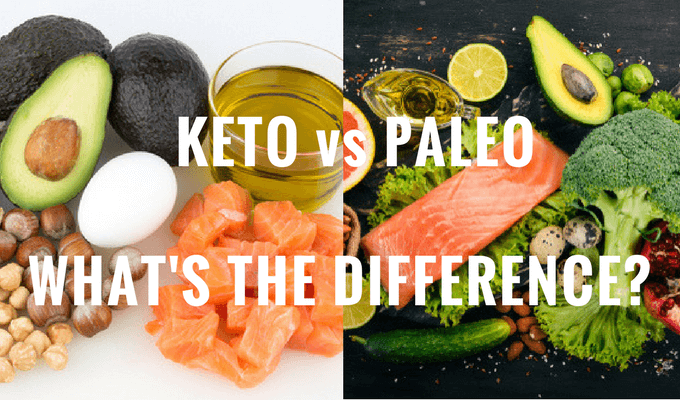
Keto is a metabolic diet focused on fat burning, while Paleo is a lifestyle diet focused on food quality. This difference affects everything from food choices to long-term sustainability.
4. Similarities Between Keto and Paleo Diet
Even though Keto and Paleo are different, they share several important similarities that make both effective for improving health.
Shared Principles
| Similarity | Why It Matters |
|---|---|
| Whole foods focus | Improves nutrient intake |
| Low sugar intake | Reduces risk of metabolic diseases |
| Fewer processed foods | Supports overall health |
| Weight loss support | Helps reduce calorie intake |
Both diets move away from the standard Western diet, which is often high in sugar, refined carbs, and processed foods.
5. Which Diet Is Easier to Follow?
Sustainability is one of the most important factors when choosing a diet.
Ease of Following Comparison
| Factor | Keto Diet | Paleo Diet |
|---|---|---|
| Difficulty | High | Moderate |
| Flexibility | Low | High |
| Meal planning | Strict | Easier |
| Eating out | Difficult | More manageable |
| Long-term success | Lower | Higher |
Real-World Insight
Most people struggle with Keto because it requires strict carb tracking and limits many common foods. Paleo, on the other hand, is easier to integrate into daily life and social situations.
If your goal is long-term consistency, Paleo is often the better option.
6. Can You Combine Keto and Paleo?
Yes, you can combine the two diets into a hybrid approach often called clean Keto.
Keto Paleo Hybrid Overview
| Element | Approach |
|---|---|
| Carbohydrates | Very low (Keto style) |
| Food quality | Whole foods only (Paleo style) |
| Dairy | Eliminated |
| Processed foods | Eliminated |
Benefits
Combines fat-burning benefits of Keto
Improves food quality
Reduces processed food intake
Limitations
More restrictive than both diets
Harder to maintain long-term
This approach is ideal for advanced users who want maximum results and are comfortable with strict eating patterns.
7. Conclusion
Both Keto and Paleo diets offer powerful benefits, but they serve different purposes.
Keto is best for rapid weight loss, fat burning, and metabolic control.
Paleo is better for long-term health, balanced nutrition, and sustainability.
There is no one-size-fits-all answer. The best diet is the one that fits your lifestyle, preferences, and long-term goals.
Who Should Choose Keto?
| Suitable For | Not Ideal For |
|---|---|
| People wanting fast fat loss | Beginners |
| Those managing blood sugar | Carb lovers |
| Individuals tracking macros | Flexible eaters |
| Short-term transformation goals | Long-term lifestyle seekers |
Who Should Choose Paleo?
| Suitable For | Not Ideal For |
|---|---|
| Beginners | Strict Keto followers |
| Long-term lifestyle seekers | Rapid weight loss seekers |
| Clean eating focus | Macro-focused dieters |
| Flexible eaters |