Walleye is prized for its mild flavor, delicate texture, and flaky white meat, making it one of the most popular freshwater fish for home cooking. Pan frying is one of the best ways to prepare walleye because it creates a golden, crispy coating while keeping the fish tender and moist inside.
With just a handful of pantry ingredients, you can transform fresh walleye fillets into a delicious meal that feels both comforting and impressive. Serve it alongside potatoes, coleslaw, vegetables, or a fresh salad for a complete and satisfying meal.
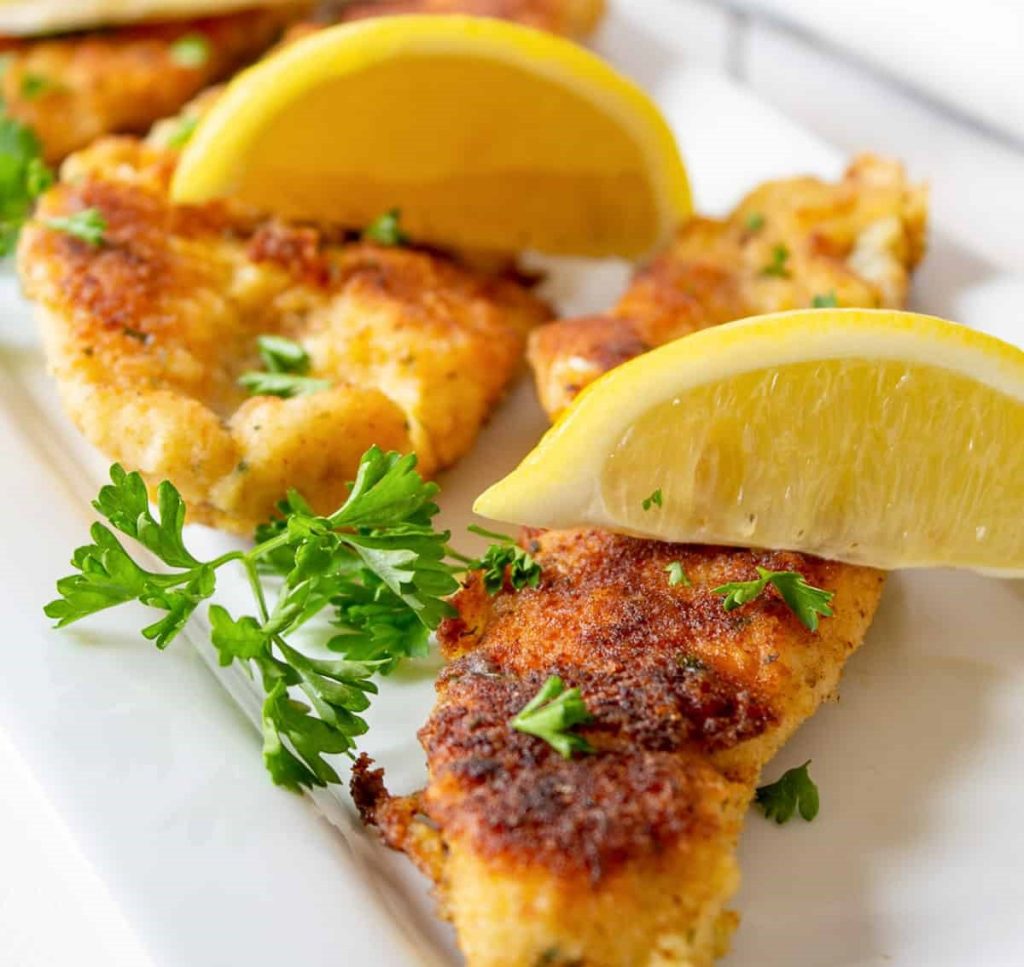
1. Pan Fried Walleye Recipe (Yield: 6 Servings)
Ingredients
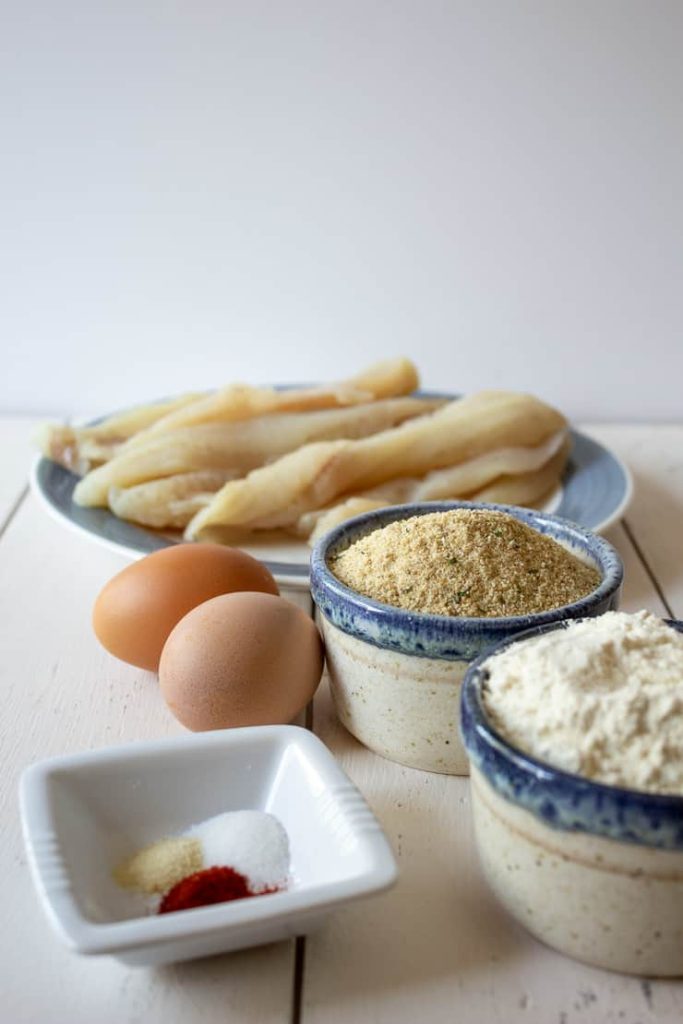
- 6 walleye fillets
- 2 eggs
- ¾ cup flour
- 1 cup Italian style bread crumbs
- 4 tablespoons oil
- ½ teaspoon salt
- ¼ teaspoon onion powder
- ½ teaspoon paprika
Instructions
Begin by rinsing the walleye fillets under cold water and patting them completely dry with paper towels. Removing excess moisture helps the coating adhere better and promotes even browning during frying.
Place the flour in a shallow dish. In a second shallow dish, crack the eggs and whisk them until smooth. In a third shallow dish, combine the Italian style bread crumbs, salt, onion powder, and paprika. Stir the seasonings thoroughly so they are evenly distributed throughout the bread crumbs.
Take one walleye fillet and dredge it lightly in the flour, making sure all sides are coated. Shake off any excess flour before moving to the next step. The flour helps the egg mixture stick to the fish.
Dip the floured fillet into the beaten eggs, coating it completely. Allow any excess egg to drip off before transferring the fish to the bread crumb mixture.
Press the fillet gently into the seasoned bread crumbs, turning it several times to ensure an even coating on all sides. Place the coated fillet on a plate and repeat the process with the remaining fillets.
Allow the breaded fish to rest for about 5 to 10 minutes before frying. This short resting period helps the coating adhere to the fish and reduces the chance of it falling off during cooking.
Heat a large skillet over medium heat. Add the oil and allow it to become hot but not smoking. The oil should shimmer slightly when it reaches the proper frying temperature.
Carefully place several fillets into the skillet, leaving enough space between them so they cook evenly. Avoid overcrowding the pan, as this can lower the oil temperature and result in less crispy fish. Cook in batches if necessary.
Fry the fillets for approximately 3 to 4 minutes on the first side. As they cook, the coating will develop a golden-brown color and become crisp.
Gently turn the fillets using a fish spatula or wide spatula. Continue cooking for another 3 to 4 minutes on the second side. The exact cooking time will vary depending on the thickness of the fillets.
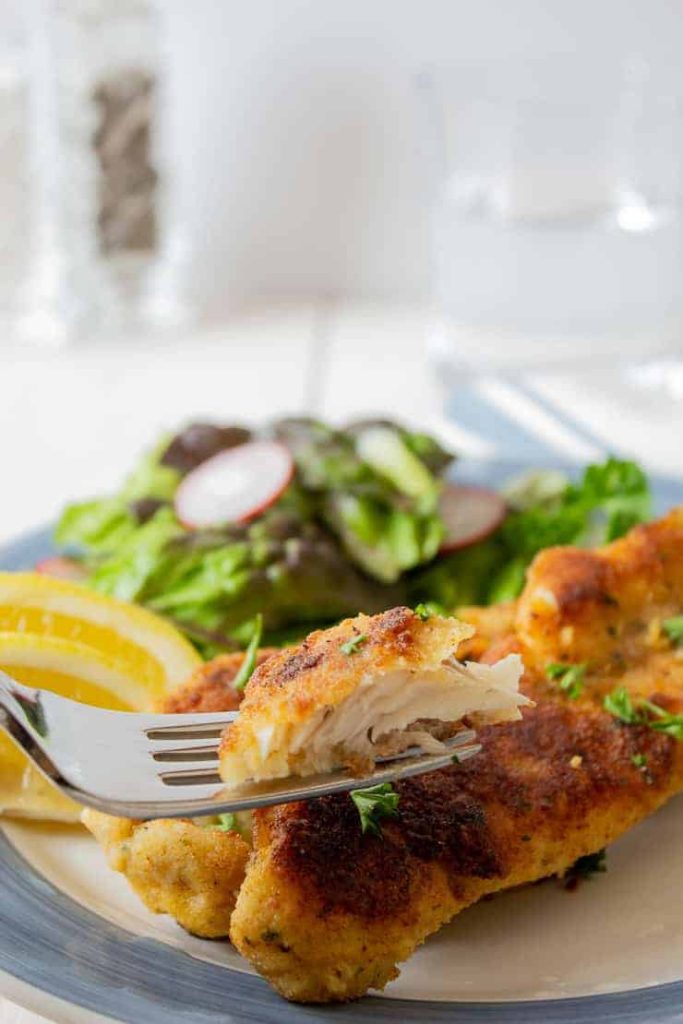
The walleye is done when the coating is golden brown and the fish flakes easily with a fork. The flesh should appear opaque throughout and separate into moist flakes when tested.
Transfer the cooked fillets to a plate lined with paper towels to absorb any excess oil. Continue frying the remaining fillets until all the fish is cooked.
Allow the fish to rest for a minute or two before serving. This helps preserve its texture and allows the coating to remain crisp. Serve hot with lemon wedges, tartar sauce, roasted potatoes, steamed vegetables, or your favorite side dishes.
2. Tips for Perfect Pan Fried Walleye
Pat the fish dry before breading to help the coating stick properly and create a crispier crust.
Use fresh walleye whenever possible for the best flavor and texture. Fresh fillets tend to remain firmer during cooking and produce better results.
Allow the breaded fillets to rest briefly before frying. This simple step helps the coating adhere more securely to the fish.
Keep the oil at a consistent medium heat. Oil that is too hot can burn the coating before the fish cooks through, while oil that is too cool may cause the coating to absorb excess oil.
Cook the fish in batches if necessary. Overcrowding the pan lowers the temperature of the oil and can lead to uneven cooking.
Use a thin fish spatula to flip the fillets carefully. This helps prevent the delicate fish from breaking apart.
Serve the fish immediately after cooking for the crispiest texture and best overall flavor.
3. Frequently Asked Questions
Can I use frozen walleye fillets for this recipe?
Yes. Frozen fillets work well as long as they are completely thawed before cooking. Be sure to pat them dry thoroughly to remove excess moisture before breading.
What side dishes pair well with pan fried walleye?
Popular options include mashed potatoes, french fries, roasted vegetables, rice pilaf, coleslaw, corn on the cob, green beans, or a simple garden salad.
Can I make this recipe gluten-free?
Yes. Substitute the all-purpose flour with a gluten-free flour blend and use gluten-free bread crumbs to create a gluten-free version of the recipe.
How do I store leftover pan fried walleye?
Place cooled leftovers in an airtight container and refrigerate for up to 3 days. Reheat in a skillet or oven to help restore some of the crispness.
Can I use other fish instead of walleye?
Absolutely. This breading and frying method works well with many mild white fish varieties, including perch, cod, haddock, pollock, and tilapia.
4. Nutrition Information
The following values are approximate and based on one serving.
| Nutrient | Amount Per Serving |
|---|---|
| Calories | 310 |
| Protein | 29 g |
| Total Fat | 12 g |
| Saturated Fat | 2.5 g |
| Cholesterol | 105 mg |
| Carbohydrates | 20 g |
| Fiber | 1 g |
| Sugars | 1 g |
| Sodium | 460 mg |
| Potassium | 520 mg |
| Calcium | 45 mg |
| Iron | 2 mg |
This pan fried walleye recipe is a simple and delicious way to enjoy one of the finest freshwater fish. The combination of a crispy seasoned coating and tender, flaky fish creates a meal that is satisfying without requiring complicated ingredients or techniques.
Once you master this easy method, it can become a reliable recipe for family dinners, fish fries, and special occasions alike. Pair it with your favorite sides and enjoy a classic homemade seafood meal that highlights the natural flavor of walleye.