
If you’re looking for an easy snack that comes together in just a few minutes, making popcorn from scratch on the stovetop is a great option. With only a handful of ingredients and a large pot, you can create a fresh batch of popcorn that tastes far better than many store-bought alternatives.
One of the best things about stovetop popcorn is how easy it is to make whenever a craving strikes. You have complete control over the ingredients, the amount of salt, and the serving size. Once you learn the basic method, you’ll find yourself making this classic snack again and again.
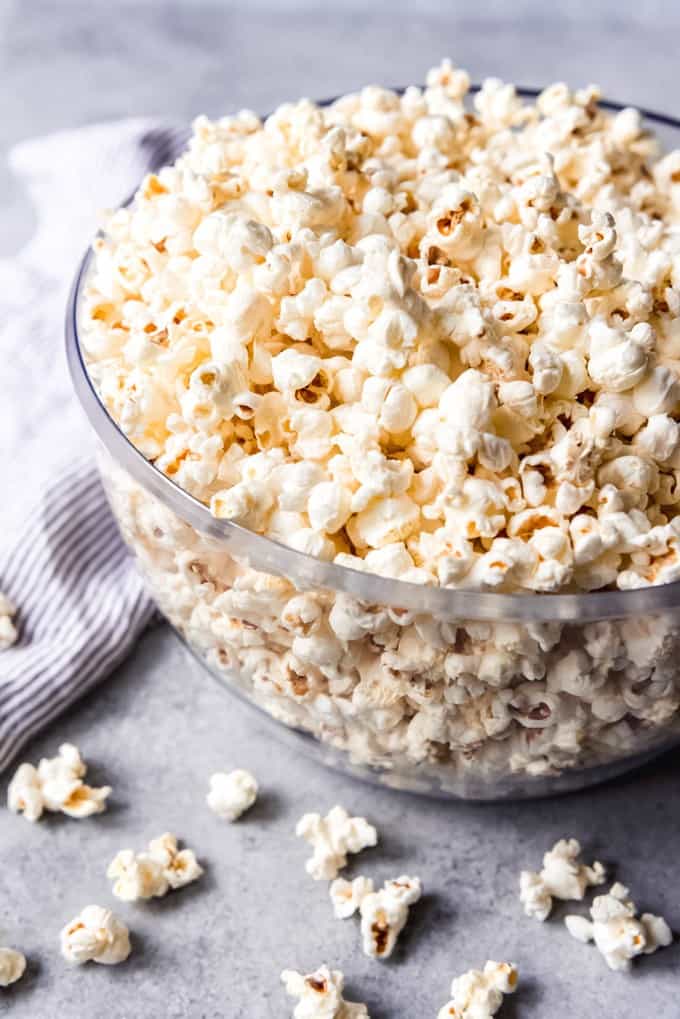
1. Homemade Stovetop Popcorn Recipe (Yield: 4 Servings)
Ingredients
- 2 tbsps olive oil or other neutral flavored oil
- 1/2 cup popcorn kernels
- Salt to taste
Instructions
Start by selecting a large pot with a tight-fitting lid. A heavy-bottomed pot works best because it distributes heat evenly and helps prevent the popcorn from burning. Make sure the pot is completely dry before adding any ingredients.
Pour the olive oil into the pot and place it over medium heat. Allow the oil to warm for about one minute. To test if the oil is ready, add two or three popcorn kernels to the pot and cover it with the lid. Wait for these kernels to pop.
Once the test kernels have popped, carefully remove the lid and add the remaining popcorn kernels. Immediately replace the lid and gently shake the pot to distribute the kernels evenly across the bottom. This helps ensure that all the kernels receive similar heat exposure.
Continue cooking over medium heat. Every 20 to 30 seconds, carefully shake the pot back and forth while keeping the lid securely in place. Shaking prevents the kernels from sitting in one spot and reduces the risk of burning.
After a minute or two, the kernels will begin popping rapidly. You will hear a steady series of popping sounds. Continue shaking the pot occasionally during this stage to encourage even cooking.
As the popping slows, listen carefully. When there are about two to three seconds between pops, remove the pot from the heat. Waiting too long may cause the popcorn at the bottom to burn.
Keep the lid closed for another 30 seconds after removing the pot from the heat. This allows any remaining kernels to finish popping safely.
Carefully remove the lid, opening it away from your face to avoid the steam. Transfer the freshly popped popcorn to a large serving bowl.
Sprinkle salt over the popcorn while it is still warm. Toss gently to distribute the seasoning evenly. Taste and add more salt if desired.
Serve immediately for the best texture and freshness. Enjoy your homemade stovetop popcorn while it is warm and crisp.
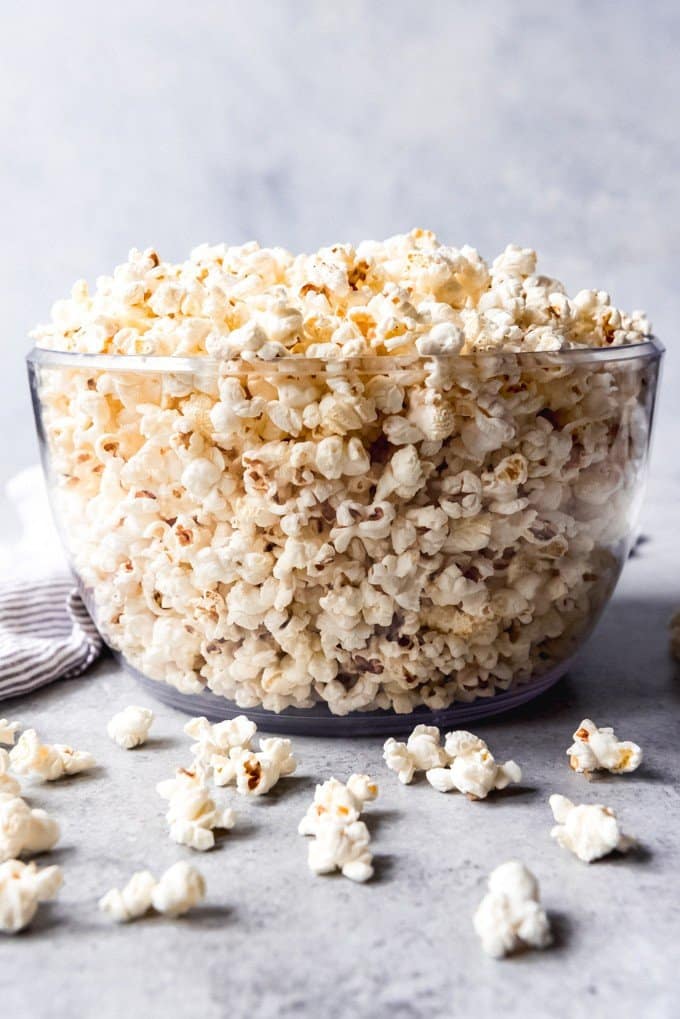
2. Tips for Perfect Homemade Stovetop Popcorn
Use fresh popcorn kernels whenever possible. Older kernels may contain less moisture, which can result in fewer kernels popping.
Choose a pot that is large enough to accommodate the popped popcorn. Half a cup of kernels expands significantly during cooking, so extra space is important.
Maintain medium heat throughout the cooking process. Excessively high heat can burn the popcorn before all the kernels have a chance to pop.
Shake the pot regularly but gently. This simple step helps distribute heat evenly and prevents scorching at the bottom of the pot.
Avoid lifting the lid while the popcorn is actively popping. Opening the pot allows heat to escape and can cause popcorn to fly out.
Season the popcorn while it is still warm. Salt and other toppings tend to stick better when applied immediately after popping.
For easier cleanup, allow the pot to cool completely before washing it.
3. Frequently Asked Questions
Why are some of my popcorn kernels not popping?
A small number of unpopped kernels is normal. However, excessive unpopped kernels often indicate old popcorn, uneven heating, or insufficient cooking time. Fresh kernels generally provide the best results.
Can I use coconut oil instead of olive oil?
Yes. Coconut oil is a popular choice for stovetop popcorn and can produce a texture similar to movie theater popcorn. Other neutral oils such as canola, avocado, and vegetable oil also work well.
How should I store leftover popcorn?
Store leftover popcorn in an airtight container at room temperature. It is best enjoyed within a few days, as exposure to air can cause it to lose its crisp texture.
Can I add sweet toppings to stovetop popcorn?
Absolutely. Homemade popcorn can be paired with caramel sauce, cinnamon sugar, honey, melted chocolate, or other sweet toppings for a dessert-style snack.
Why does my popcorn sometimes taste chewy instead of crispy?
Chewy popcorn is often caused by trapped moisture. Allowing steam to escape after cooking and storing popcorn properly can help maintain a crisp texture.
4. Nutrition Information
The following nutrition values are approximate and based on four servings.
| Nutrient | Amount Per Serving |
|---|---|
| Calories | 115 |
| Protein | 2 g |
| Carbohydrates | 12 g |
| Fat | 7 g |
| Saturated Fat | 1 g |
| Fiber | 2 g |
| Sugar | 0 g |
| Sodium | Varies by salt added |
| Potassium | 55 mg |
| Iron | 0.4 mg |
Making homemade stovetop popcorn from scratch is one of the easiest ways to enjoy a fresh and satisfying snack. With just a few pantry staples and a simple cooking method, you can create light, fluffy popcorn in only a matter of minutes.
Once you master the basic technique, you’ll always have a quick snack option ready for movie nights, family gatherings, or everyday cravings. This homemade stovetop popcorn recipe proves that sometimes the simplest recipes are also the most enjoyable.


1 Comment
This helped me a lot thanks for this