When people find out you’re vegetarian or vegan, the first question almost always sounds the same: “But where do you get your protein?”. I used to get this question all the time, and honestly, I asked it myself when I first started eating less meat. We’re so used to thinking of meat as the only real protein source that it feels risky to remove it.
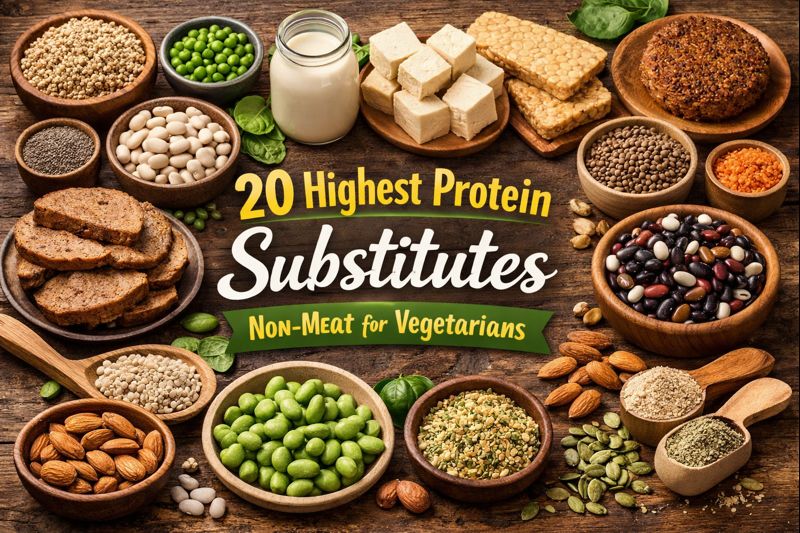
The truth is, once you look beyond chicken breasts and steaks, you realize the plant-based world is full of powerful, protein-rich foods—many of them just as filling and far more versatile. Below are 20 of the highest-protein meat substitutes for vegans and vegetarians, explained in a realistic, everyday way. These are foods I actually cook with, not just ingredients that look good on a nutrition label.
1. Tempeh
Tempeh is one of the most protein-dense whole-food options you can eat as a vegan or vegetarian. Made from fermented soybeans, it delivers around 30–31 grams of protein per cup, which is on par with meat. What I love most about tempeh is its firm, hearty texture—it doesn’t fall apart and actually feels like a main dish.
It grills, pan-fries, and bakes beautifully, and it absorbs marinades incredibly well. Because it’s fermented, tempeh is easier to digest than many other soy products and offers gut-health benefits too. If you want a meat substitute that feels substantial and satisfying, tempeh is hard to beat.
2. Seitan (Vital Wheat Gluten)
Seitan is often called “wheat meat,” and for good reason. With about 25 grams of protein per 3.5 ounces, it’s one of the highest-protein vegan meat substitutes available. The chewy, dense texture makes it ideal for stir-fries, sandwiches, kebabs, and even vegan steaks.
I reach for seitan when I want something that truly mimics meat’s bite and mouthfeel. It’s low in fat, very filling, and incredibly customizable with spices and sauces. The only drawback is that it’s not suitable for people with gluten intolerance—but if gluten isn’t an issue, seitan is a protein powerhouse.
3. Textured Vegetable Protein (TVP)
TVP doesn’t look exciting, but nutritionally it’s impressive. Made from defatted soy flour, TVP provides about 26 grams of protein per half cup (dry). Once rehydrated, it closely resembles ground meat in texture, making it perfect for tacos, chili, spaghetti sauce, and casseroles.
I love how affordable and shelf-stable it is—you can keep it in your pantry and have a high-protein meal ready in minutes. TVP absorbs flavors extremely well, so good seasoning is key. For vegans who miss ground beef dishes, this is one of the easiest swaps.
4. Extra-Firm Tofu
Tofu often gets dismissed as bland, but extra-firm tofu is a fantastic meat substitute when prepared correctly. One cup contains around 20 grams of protein, along with calcium and iron. I always press my tofu first, then marinate it to improve texture and flavor. Once baked or pan-fried, it becomes crispy on the outside and tender inside.
Tofu is incredibly versatile—it works in stir-fries, curries, sandwiches, and even crumbles for tacos. It may not be as chewy as seitan, but its nutritional profile and adaptability make it a staple for vegans and vegetarians.
5. Lentils
Lentils are one of the most reliable and budget-friendly protein sources out there. A cooked cup delivers about 18 grams of protein, along with tons of fiber that keeps you full for hours. I use lentils constantly—in soups, curries, veggie burgers, and even lentil “meat” sauces.
Red lentils break down and create a creamy texture, while green and brown lentils hold their shape well. Lentils don’t just replace meat nutritionally; they replace that feeling of satisfaction too. If you’re new to plant-based eating, lentils are an easy and forgiving place to start.
6. Chickpeas (Garbanzo Beans)
Chickpeas provide about 14–15 grams of protein per cooked cup, making them a solid meat alternative when used generously. I love their versatility—you can roast them for crunch, mash them for sandwiches, or simmer them in curries. Chickpeas have a mild flavor that works well with spices, which makes them ideal for global dishes.
While they aren’t as protein-dense as soy-based options, they shine when paired with whole grains or seeds. Chickpeas are especially great for meal prep because they hold up well over several days.
7. Black Beans
Black beans are one of my favorite comfort-food protein sources. With around 15 grams of protein per cup, they work beautifully in tacos, burrito bowls, chili, and veggie burgers. Their creamy texture makes them feel hearty and filling, especially when lightly mashed.
Black beans are also rich in iron, antioxidants, and fiber, which is helpful when replacing red meat. I often combine them with rice or quinoa to create a complete, satisfying meal that doesn’t feel like it’s missing anything.
8. Edamame
Edamame are young soybeans, and nutritionally they’re incredibly impressive. One cooked cup contains 18–19 grams of complete protein, meaning it includes all essential amino acids. I add edamame to salads, grain bowls, and stir-fries when I want an easy protein boost.
They have a clean, slightly sweet flavor and a firm bite that adds texture to meals. Because edamame is minimally processed, it’s a great option if you prefer whole foods over meat substitutes. It’s especially popular with active vegans who want quality protein without supplements.
9. Green Peas
Green peas may seem simple, but they offer about 8–9 grams of protein per cup, which adds up quickly in larger portions. I use peas in soups, fried rice, and blended into spreads or patties.
Many modern vegan meats are made from pea protein because it’s easy to digest and allergen-friendly. While peas alone may not replace meat on a plate, they’re an excellent supporting protein that adds bulk and nutrition without heaviness.
10. Quinoa
Quinoa stands out because it’s a complete plant protein, offering around 8 grams per cooked cup. I often use quinoa as the base of bowls instead of meat, layering it with beans or tofu for extra protein. It’s light but filling, with a subtle nutty flavor that pairs well with almost anything.
Quinoa is also rich in magnesium and iron, which is helpful for vegetarians. While it’s not a direct meat replacement by itself, quinoa plays an important role in building balanced, protein-rich meals.
11. Hemp Seeds
Hemp seeds are one of the easiest ways to boost protein intake without much effort. Just three tablespoons provide about 10 grams of complete protein. I sprinkle them on salads, oatmeal, soups, and smoothies. They have a mild, nutty flavor that blends well into both sweet and savory dishes.
Hemp seeds also contain omega-3 fatty acids, which are usually associated with fish. While you wouldn’t eat hemp seeds as a main protein source, they’re incredibly useful for rounding out a vegan or vegetarian diet.
12. Chia Seeds
Chia seeds provide around 5 grams of protein per two tablespoons, but their real strength is satiety. When soaked, they expand and create a gel-like texture that keeps you full for hours.
I use chia seeds in smoothies, overnight oats, and puddings when I want long-lasting energy. They’re also high in fiber, calcium, and omega-3s. While they’re not a direct meat replacement, chia seeds help support protein intake and appetite control in a plant-based diet.
13. Nutritional Yeast
Nutritional yeast is a vegan favorite, and for good reason. Two tablespoons provide about 8 grams of protein, along with a cheesy, savory flavor. I use it in sauces, on popcorn, and sprinkled over pasta or vegetables.
Most nutritional yeast is fortified with vitamin B12, which is essential for vegans. While it won’t replace meat on its own, it adds both protein and depth of flavor to meals, making plant-based dishes feel more satisfying.
14. Peanut Butter
Peanut butter contains about 8 grams of protein per two tablespoons, plus healthy fats that keep you full. I often use it in sauces, smoothies, and even savory noodle dishes. While it’s higher in calories, it’s very satisfying and works well as part of a balanced meal. Peanut butter isn’t meant to replace meat entirely, but it’s a great supporting protein—especially for people with higher calorie needs or active lifestyles.
15. Almonds
Almonds offer around 6 grams of protein per ounce, along with fiber and healthy fats. I snack on them or add them to salads and grain bowls for crunch. Almond butter works similarly to peanut butter if you want variety. While nuts don’t replace meat in texture, they contribute meaningful protein and satiety. Almonds also provide vitamin E and magnesium, which support overall health.
16. Soy Milk (Unsweetened)
Soy milk is one of the highest-protein plant milks available, offering 7–9 grams of protein per cup. I use it in smoothies, oatmeal, and cooking. Unlike many other plant milks, soy milk has a protein profile similar to dairy milk, making it especially useful for vegetarians transitioning away from animal products. It’s not a direct meat substitute, but it supports daily protein intake effortlessly.
17. Plant-Based Greek-Style Yogurt
High-protein plant-based yogurts—especially soy-based—can provide 12–15 grams of protein per serving. I use them as a base for sauces, dips, and bowls. They add creaminess and protein without relying on dairy or meat. As products improve, these yogurts are becoming a reliable protein source for vegans and vegetarians alike.
18. Mushrooms (Portobello & Oyster)
Mushrooms aren’t high in protein, but they’re fantastic meat substitutes because of their texture. Portobello and oyster mushrooms have a chewy, savory quality that makes meals feel hearty. I often pair mushrooms with lentils or beans to create a protein-rich, meat-like dish. They’re low in calories but high in umami flavor, which helps satisfy meat cravings.
19. Sunflower Seeds
Sunflower seeds provide about 6 grams of protein per ounce and add a pleasant crunch to meals. I use them in salads, veggie burgers, and grain bowls. They’re also rich in vitamin E and healthy fats. While not a main protein source, they contribute to overall protein intake and make meals more satisfying.
20. Pea Protein–Based Meat Alternatives
Many modern vegan meats are made with pea protein, delivering 20–25 grams of protein per serving. I use these when I want something quick, familiar, and close to meat in texture. While more processed than whole foods, they can be very useful for transitioning away from meat or maintaining protein intake during busy weeks.
You don’t need meat to eat a high-protein, satisfying diet. Vegans and vegetarians have more protein-rich options than ever before—many of them affordable, versatile, and genuinely enjoyable. I’ve found that mixing whole foods like legumes and grains with higher-protein options like tempeh and seitan creates meals that feel complete, not restrictive.