Losing weight doesn’t have to mean starving yourself or cutting out entire food groups. The key to healthy and sustainable weight loss is choosing nutrient-dense foods that keep you full longer, boost your metabolism, and help regulate hunger hormones. Here are 20 of the best foods to help you lose weight, supported by science and nutrition experts.
1. Eggs
Eggs are one of the best weight-loss-friendly foods you can eat. They’re rich in high-quality protein, healthy fats, and essential vitamins. Protein helps keep you full, reducing the urge to snack later in the day. Studies show that eating eggs for breakfast can promote feelings of fullness and reduce calorie intake throughout the day.
Tip: Enjoy boiled, poached, or scrambled eggs with vegetables for a balanced meal.

2. Leafy Greens
Leafy greens like spinach, kale, collard greens, and Swiss chard are low in calories and high in fiber. They add volume to your meals without adding many calories, helping you feel full longer. They’re also loaded with antioxidants, vitamins A and C, and minerals that support overall health.
Tip: Use leafy greens as a base for salads, add them to smoothies, or stir them into soups and omelets.

3. Salmon
Fatty fish like salmon are rich in omega-3 fatty acids, which reduce inflammation and support fat metabolism. Salmon is also a great source of high-quality protein that keeps you satisfied and helps build lean muscle mass.
Tip: Air fry or bake salmon with herbs and lemon for a nutrient-packed, low-calorie meal.

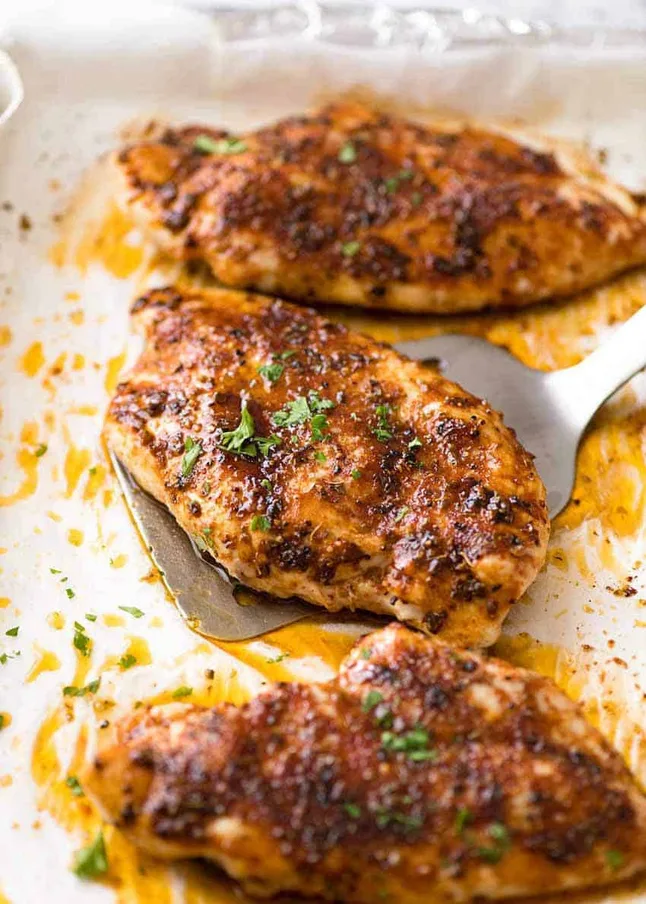
4. Chicken Breast
Skinless chicken breast is a lean protein that’s perfect for weight loss. It helps preserve muscle mass while promoting fat loss, especially when combined with regular exercise. Protein also has a high thermic effect, meaning your body burns more calories digesting it.
Tip: Pair baked chicken breast with steamed vegetables or salads for a balanced meal.
5. Greek Yogurt
Greek yogurt is packed with protein and probiotics that support gut health. A healthy gut microbiome has been linked to improved metabolism and easier weight control. Choose plain, unsweetened Greek yogurt to avoid added sugars.
Tip: Add fresh berries, chia seeds, and a drizzle of honey for a delicious, filling snack.

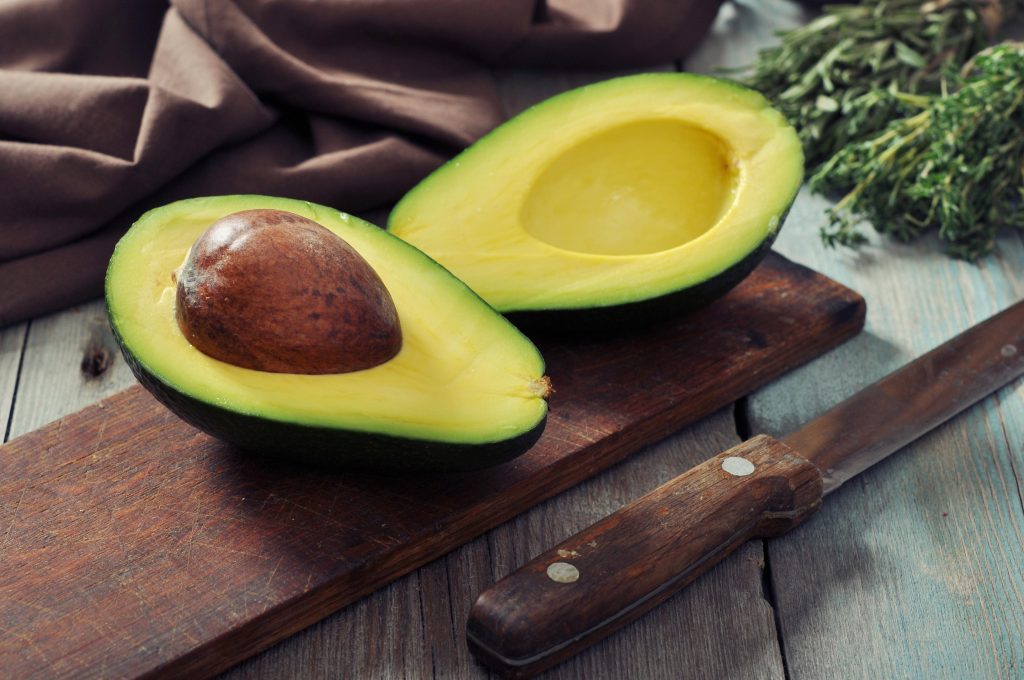
6. Avocados
Avocados are rich in healthy monounsaturated fats, fiber, and essential nutrients. Despite being calorie-dense, they help keep you full and reduce unhealthy snacking. Their fat content helps your body absorb fat-soluble vitamins like A, D, E, and K.
Tip: Spread avocado on whole-grain toast or add slices to salads and sandwiches.
7. Beans and Legumes
Beans, lentils, and chickpeas are excellent sources of plant-based protein and fiber. They help regulate blood sugar levels and promote satiety, making it easier to eat fewer calories throughout the day.
Tip: Add beans to soups, stews, or salads for extra texture and nutrition.

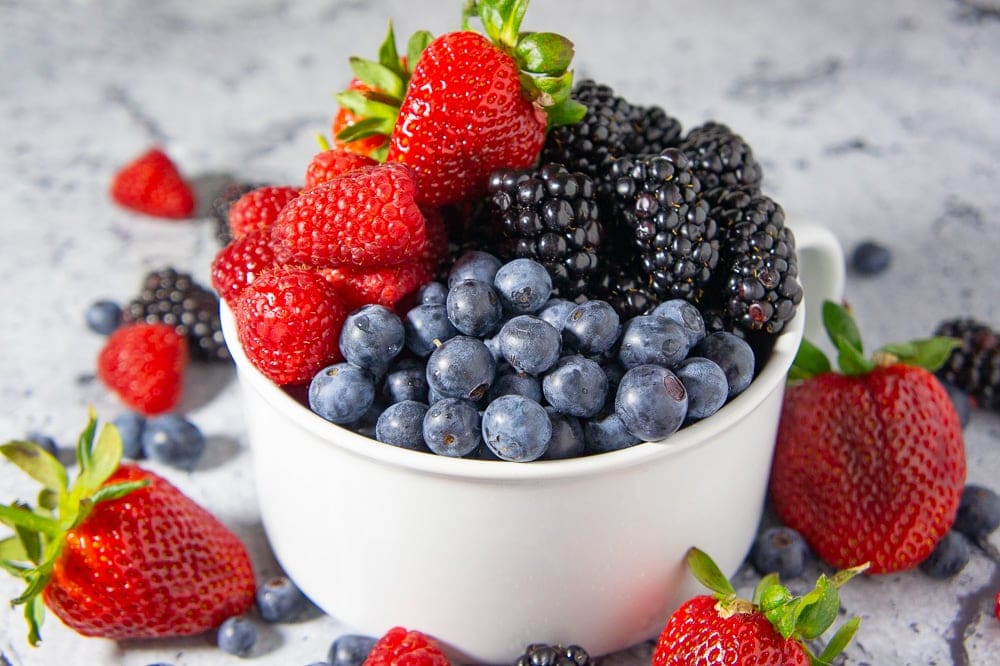
8. Berries
Berries such as blueberries, strawberries, and raspberries are low in calories but high in fiber and antioxidants. They satisfy sweet cravings without spiking blood sugar levels, making them an ideal snack or dessert alternative.
Tip: Mix berries with Greek yogurt or oatmeal for a naturally sweet breakfast.
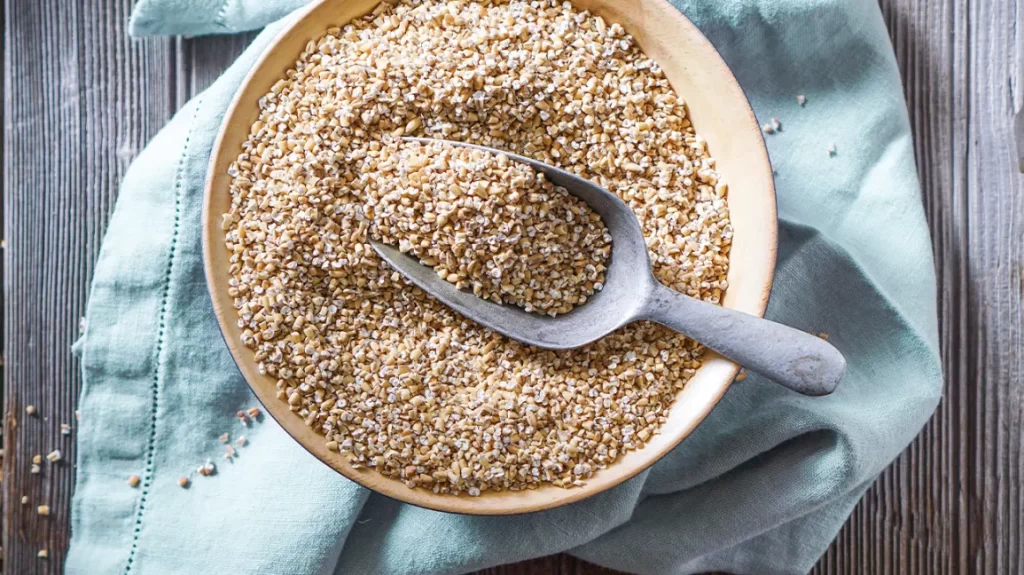
9. Oats
Oats are one of the most filling whole grains. They’re rich in soluble fiber, especially beta-glucan, which helps reduce cholesterol levels and keeps you full longer. Oatmeal also stabilizes blood sugar, preventing hunger spikes.
Tip: Choose plain rolled or steel-cut oats and avoid instant oatmeal with added sugar.
10. Nuts
Nuts like almonds, walnuts, and pistachios are nutrient-dense and full of healthy fats, fiber, and protein. They can help you stay full between meals and prevent overeating. Just be mindful of portion sizes, as nuts are calorie-dense.
Tip: Snack on a small handful of raw nuts or sprinkle them on salads and yogurt.
11. Chia Seeds
Chia seeds are tiny but powerful when it comes to weight loss. They absorb water and expand in your stomach, increasing feelings of fullness. They’re also rich in omega-3 fatty acids and fiber, which aid digestion.
Tip: Add chia seeds to smoothies, oatmeal, or yogurt, or make chia pudding with almond milk.

12. Green Tea
Green tea contains powerful antioxidants called catechins and a small amount of caffeine, which together help boost metabolism and fat burning. Drinking green tea regularly can support long-term weight management.
Tip: Drink two to three cups daily or try matcha for a stronger antioxidant punch.

13. Apple Cider Vinegar
Apple cider vinegar has been linked to appetite suppression and improved digestion. Its acetic acid content may help reduce blood sugar spikes and promote fat metabolism.
Tip: Mix one tablespoon of apple cider vinegar in a glass of water before meals or use it as a salad dressing.

14. Apples
Apples are high in fiber and water, making them one of the most filling fruits. Eating an apple before a meal can help you consume fewer calories overall.
Tip: Eat apples whole instead of juicing them to get the most fiber and nutrients.
15. Sweet Potatoes
Sweet potatoes are a healthier alternative to regular potatoes. They’re rich in fiber, vitamins A and C, and slow-digesting carbohydrates that keep you full and energized.
Tip: Bake or steam sweet potatoes and serve them with a sprinkle of cinnamon or olive oil.

16. Broccoli
Broccoli is a low-calorie, high-fiber vegetable that supports digestion and detoxification. It’s also rich in antioxidants and vitamin C, which boost immunity and metabolism.
Tip: Roast or steam broccoli with a drizzle of olive oil and lemon juice for a delicious side dish.

17. Cottage Cheese
Cottage cheese is packed with casein protein, which digests slowly and keeps you full longer. It’s also low in fat and carbs, making it ideal for those watching their calorie intake.
Tip: Combine cottage cheese with sliced fruit or vegetables for a satisfying snack.

18. Whole Grains
Whole grains like quinoa, brown rice, and barley are rich in fiber, protein, and essential nutrients. They have a lower glycemic index than refined grains, helping control blood sugar levels and cravings.
Tip: Replace white rice or pasta with quinoa or brown rice for better satiety and nutrition.

19. Watermelon
Despite being sweet, watermelon is low in calories and high in water content. It helps keep you hydrated and satisfies sugar cravings without the guilt.
Tip: Eat chilled watermelon as a refreshing snack or blend it into smoothies.

20. Dark Chocolate
Yes, you can enjoy chocolate while losing weight—if you choose the right kind. Dark chocolate (70% cocoa or higher) contains antioxidants and may help reduce sugar cravings. Consumed in moderation, it can support weight control and improve mood.
Tip: Enjoy a small square of dark chocolate as an after-meal treat.

Tips for Incorporating These Foods Into Your Diet
- Balance your plate: Combine protein, fiber, and healthy fats in every meal to stay full longer.
- Practice portion control: Even healthy foods can lead to weight gain if consumed in excess.
- Stay hydrated: Drinking enough water helps control hunger and boosts metabolism.
- Avoid processed foods: Stick to whole, natural ingredients for better results.
- Plan your meals: Prepare balanced meals in advance to avoid unhealthy snacking.
Final Thoughts
Losing weight doesn’t mean following a restrictive diet or cutting out all your favorite foods. By focusing on whole, nutrient-rich options like lean proteins, fruits, vegetables, and healthy fats, you can nourish your body and still reach your weight loss goals.
The 20 foods listed above not only help you lose weight but also support long-term health, improve digestion, and keep your energy levels high. Combine these foods with regular physical activity, proper hydration, and mindful eating habits, and you’ll be well on your way to a healthier, leaner you.